Turn Your Weekend Tournament Into Real Training
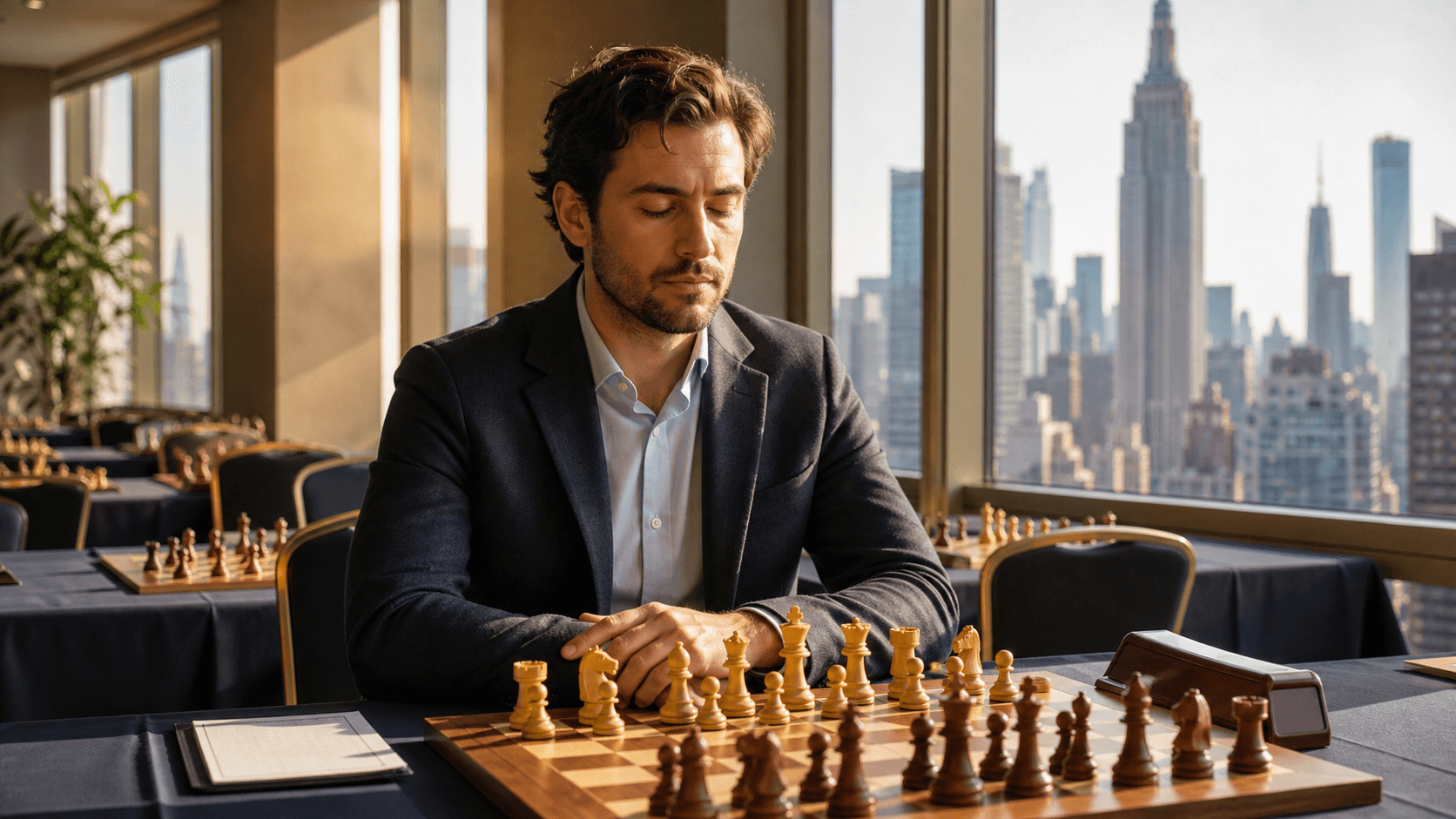
Weekend chess tournaments in Manhattan can feel like a blur. You rush from the subway, squeeze in rounds between family plans, and by Sunday night you are exhausted with a few random lessons in your head. Then Monday comes and the whole thing fades away.
There is a better way. With a simple structure, a weekend event can become the center of a 7‑ to 10‑day training loop that actually moves your game forward. In our classes, we treat each tournament as a full cycle: preparation, live routines, and focused post‑mortem work using our USCA Rapid Improvement Method.
In this guide, we walk through that same framework that students and families are using right now in our programs. You will see how to plan your week before the event, what to do before and between rounds, and how to use the 48 hours after the last game so that every Hunter event, Marshall weekend Swiss, USCA weekend tournament, or local Manhattan scholastic becomes part of a clear improvement plan instead of just another result on your rating list.
Build Your Tournament Game Plan Before Friday Night
For most families, time is tight. School, activities, and New York transit do not leave room for four‑hour training blocks. That is why we like a simple "micro‑cycle" for the 3 to 4 days before a weekend event, the same structure we are highlighting in our current classes and newsletters before upcoming tournaments.
Aim for short daily sessions, about 30 to 60 minutes, with a clear theme:
- One day for openings against your most common rating range
- One day for tactics at your exact tournament time control
- One day for practical endgames and simple rook endings
- One light day for mindset, review, and rest
A basic pre‑event checklist can keep students on track:
- Confirm opening choices against likely opponents. For example, decide what you will play as Black against 1 e4 and 1 d4 for the whole event.
- Review 5 to 10 recent model games in your main openings, playing through them quickly to see typical plans and pawn breaks.
- Rehearse a time‑management plan. For example, "I want at least 20 minutes left on move 30" or "I will pause for 60 seconds in sharp positions instead of blitzing."
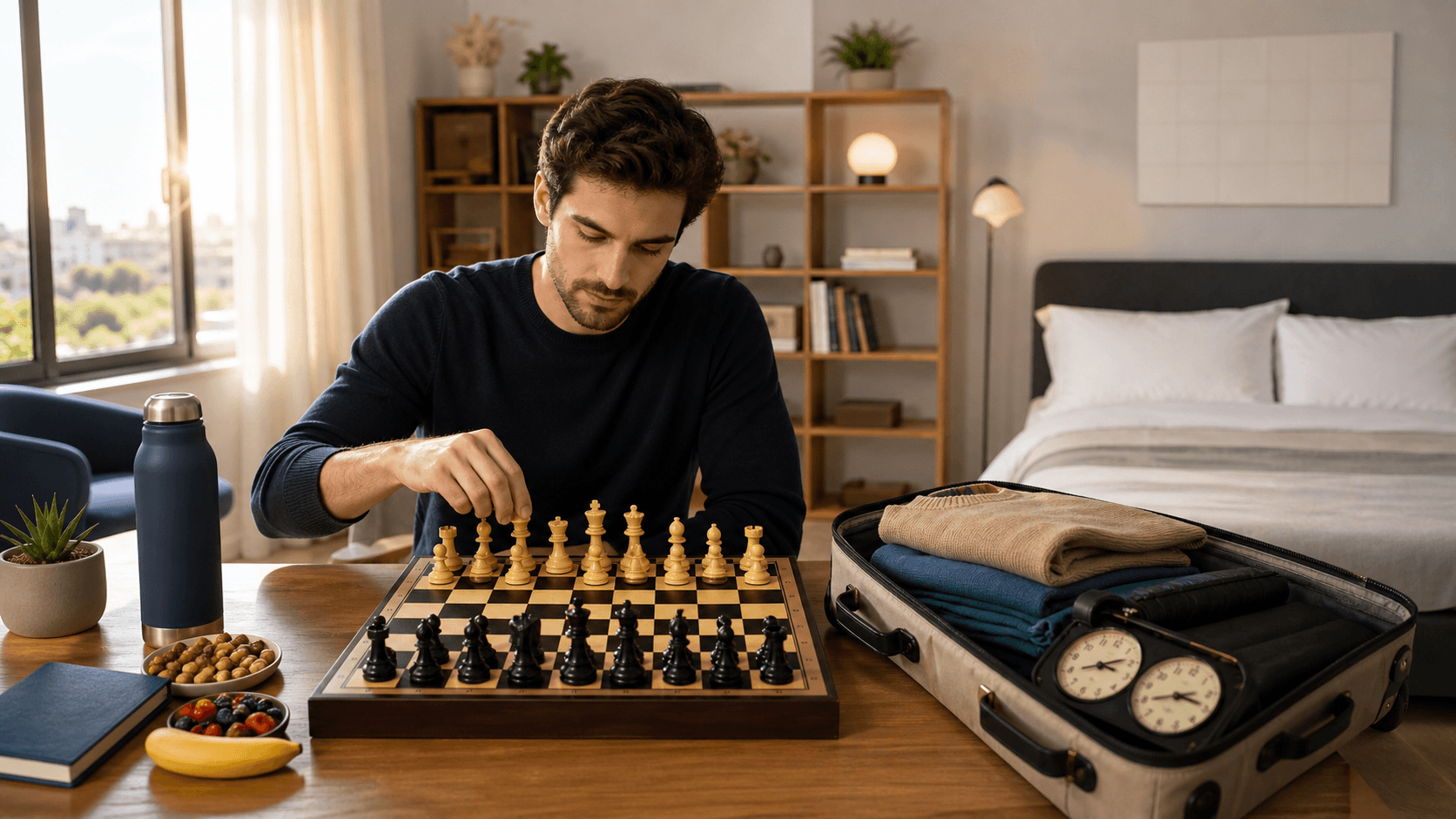
- Plan simple physical routines: sleep goals, when you will eat before each round, and your route to the venue, whether that is a local Manhattan club, a USCA weekend tournament, or a bigger scholastic event like Hunter.
In our group classes leading into upcoming tournaments, coaches guide this stage with prep sheets and short tasks: targeted opening review, specific puzzle sets, and quick Friday tune‑up sessions before key weekend chess tournaments in Manhattan. If you train online, you can build the same rhythm with structured online lessons that line up with your coming events, just as many of our current students do before big weekends.
The key is to keep it realistic. You are not rebuilding your entire repertoire in three days. You are sharpening the tools you already have and making sure your mind and body are ready to sit and think for many hours.
Pre‑Round Rituals That Anchor Focus
A good pre‑round ritual is like a mental doorway. Once you step through it, the noise of Manhattan, school, and life gets a little quieter, and your brain knows it is time to play.
This season, we are working with students on a 15‑ to 20‑minute routine they can repeat before every round at USCA tournaments, Hunter events, and other local Manhattan weekends:
- 5 minutes: light opening warm‑up. Glance at main lines and typical plans, not deep theory.
- 5 to 10 minutes: a few tactical puzzles at or near your tournament time control. Focus on clarity, not speed.
- 3 to 5 minutes: short breathing or visualization. Quiet your phone, slow your breathing, and picture yourself making calm, confident moves.
Logistics matter in this city. Give yourself a buffer for subway delays, elevators, and check‑in lines. Plan where you will get a snack so you are not scrambling right before the round. Families can help by setting a clear "phone rule," such as airplane mode 20 minutes before start, and sticking to it.
In our current classes, coaches encourage players to use the exact same pre‑round routine at USCA events, at Hunter, and at other Manhattan tournaments. Grandmasters who visit our programs share how they prepare before important games, and we help students build a simple system they can actually follow on a busy tournament day.
Once you find a pre‑round ritual that works, protect it. Do not let random conversations, last‑minute engine checks, or constant scrolling break focus right before you sit down.
Smart Between‑Round Analysis Without Burning Out
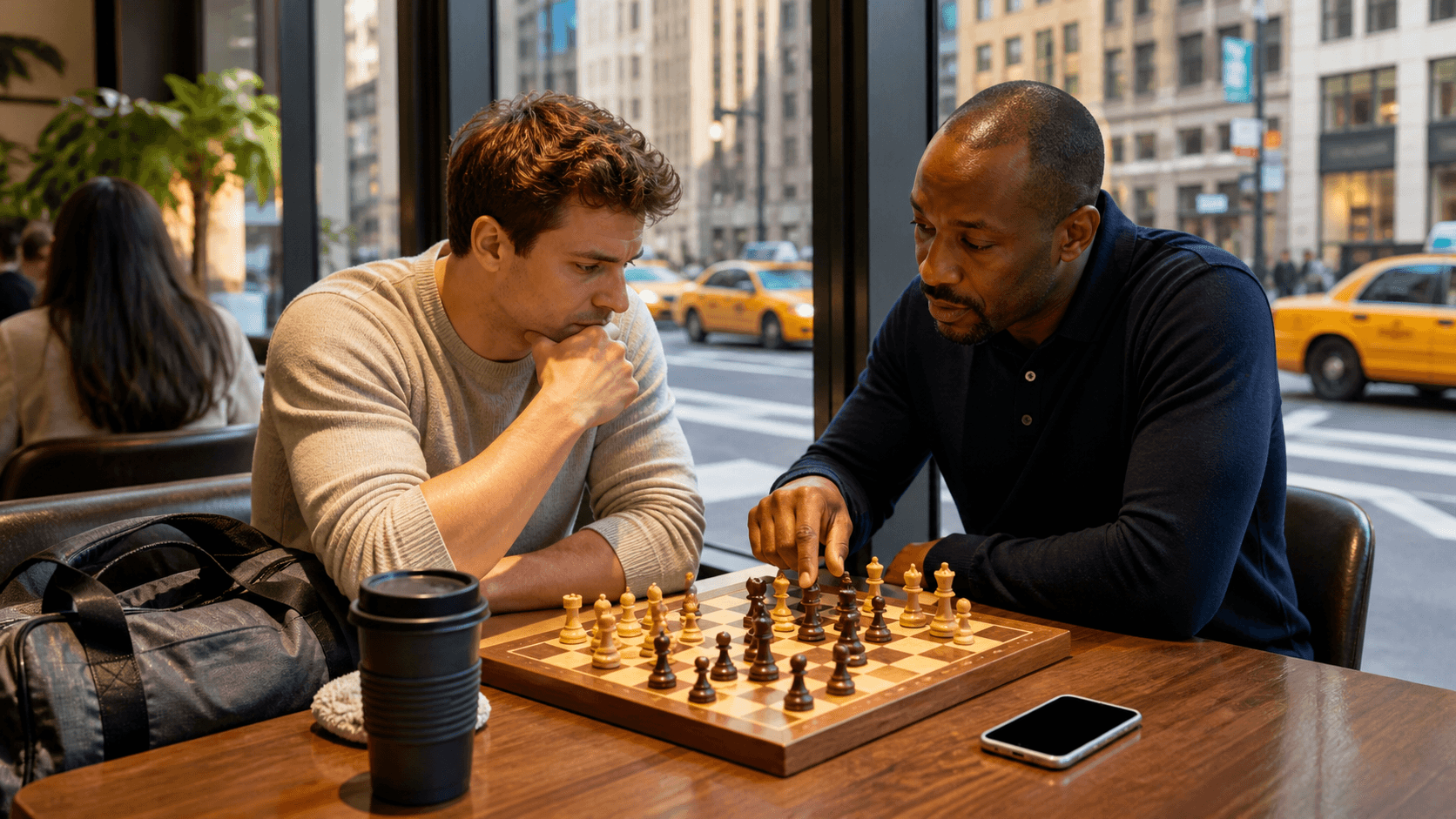
Between rounds, the temptation is strong to either obsess over the last game or ignore it completely. Both extremes slow down improvement. You want a short, consistent "post‑game in 10 minutes" habit, the same habit we model at our weekend events.
Right after your game, before any engine:
- Write down 2 to 4 critical moments from memory, with a brief note such as "I did not know what to do here" or "I missed this tactic."
- Note time usage at key points. Did you sink 30 minutes into a single decision, or blitz through a sharp line?
- Name emotional swings. When did you feel excited, scared, bored, or tilted?
Then aim for a healthy rhythm between rounds:
- 10 to 15 minutes of self‑review using notes and scoresheet
- 10 to 20 minutes fully away from chess, such as walking outside or grabbing a snack
- 10 to 15 minutes of light prep, like refreshing openings or general ideas for your likely next color
Deep engine analysis can wait until you are home. The goal at the site is to capture fresh impressions, reset, and be ready for the next round.
At USCA‑run weekend tournaments and scholastic events we are highlighting this term, coaches often guide students through short reviews in this style, with simple questions like "Where did the game really change?" and "Was this a problem in the opening, middlegame, or endgame?" Families can mirror this on their own at any Manhattan event by keeping a small notebook in the chess bag.
Your 48‑hour Post‑Mortem Blueprint
The most important training often happens after the tournament, when the noise is gone and your games tell a clear story. A simple 48‑hour plan keeps that story from getting lost in schoolwork, emails, and subway rides.
Sunday night:
- Do a light emotional cooldown. Note how you feel about the event without judgment.
- Jot down 3 big takeaways. For example, "I panicked in time trouble," or "I got good positions but misplayed equal endgames."
Monday:
- Go through each game without an engine first. Try to guess where you started to drift and write down your ideas.
- After that, turn on an engine just to check key positions you flagged. Do not analyze every move. Focus on the moments you already marked as important.
Tuesday:
- Look for patterns across your games. Are the problems mostly:
- Time trouble?
- Endgame technique?
- Middlegame planning?
- Opening gaps in a specific line?
- For each recurring issue, assign a weekly training task. For example:
- Time trouble: play 3 rapid games with a strict "no move in under 10 seconds" rule in critical positions.
- Endgames: study 10 simple practical endgames this week.
- Middlegame planning: review model games in your main openings and pause before each critical plan.
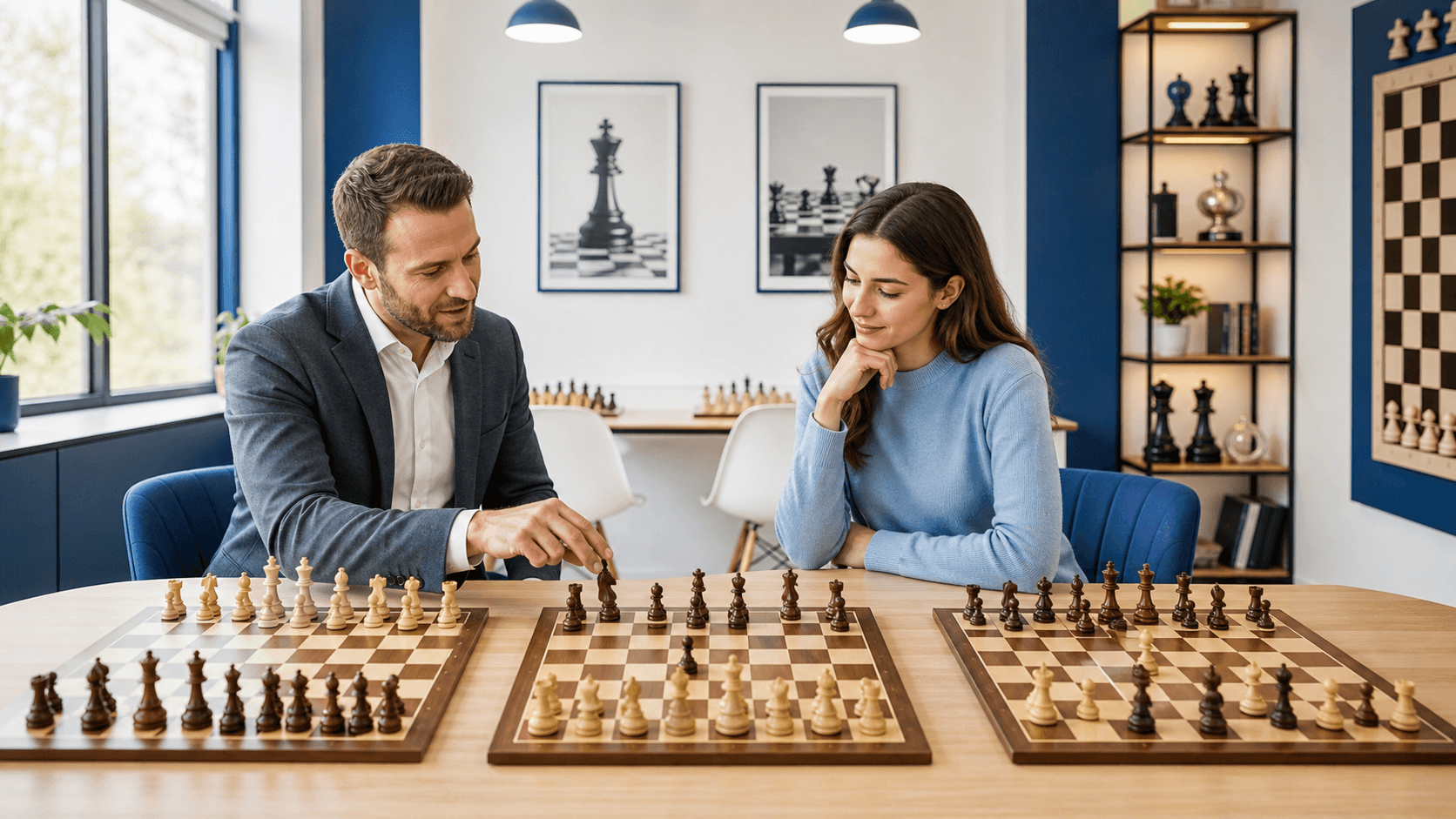
In our current group sessions at US Chess Academy, students bring their weekend games into the next class or online lesson. Coaches run structured post‑mortems tied to the USCA Rapid Improvement Method, then convert those lessons into concrete training tasks. This is where tournaments, classes, and long‑term goals all connect, the same approach we are emphasizing in our newsletters around upcoming events.
If you prefer more independent work, you can still give your games a home by adding them to a long‑term training notebook or a digital file, right alongside the work you do in camps like our Central Park camp and ongoing lessons.
Lock in Your Next Tournament‑Training Cycle
The last step is simple but powerful: lock in your next cycle before the current one fades. Pick your next event, maybe another Manhattan weekend Swiss, a USCA scholastic tournament, or an upcoming Hunter event we are preparing for in class, and place it on your calendar together with your regular training sessions.
Create a repeating loop that matches what we practice in our programs:
- Prep during the week using the same micro‑cycle structure
- Play on the weekend with a consistent pre‑round and between‑round routine
- Run your 48‑hour post‑mortem and pull out clear training tasks
- Feed those tasks into your next week of study
To keep everything organized, many students and parents use a small physical notebook or a single digital file that travels with them. It can include:
- A simple pre‑event checklist
- Standard pre‑round ritual steps
- A between‑round review template
- A post‑mortem pattern tracker with common issues and matching training tasks
If you have a coach or regular training partner, share this loop so someone else knows the plan and can help you stay consistent. At US Chess Academy, we see players make steady progress when their classes, tournaments, and review habits all line up with the calendar of upcoming events instead of pulling in different directions.
When you treat weekend chess tournaments in Manhattan as part of a full training cycle, every event starts to feel less random. Games stop being isolated stories and start to become chapters in a long, clear improvement plan that fits real life, the current class schedule, and the tournaments your family is actually attending.
Grow Your Child's Chess Skills With Structured Weekend Play
If you are ready to turn casual interest into real progress, our Weekend chess tournaments in Manhattan provide the consistent, rated experience young players need to improve. At United States Chess Academy, we design each event so students face appropriate competition while building confidence and tournament habits. Reserve a spot in an upcoming weekend event today, or contact us with any questions about which section is the best fit.