Turning Chess Class Into Milestone USCF Moments
A child's first USCF rating is more than just a number. It is the moment chess changes from "casual activity" to "real sport" in their mind. That first published rating list, the first time they beat a higher-rated player, or walking out of a gym with a class prize can feel huge for both kids and parents.
At United States Chess Academy, what families see every week is not random: structured classes, homework positions, online practice, and training games are all built with USCF progress in mind. When a student learns a new tactic on Tuesday and then wins with it on Saturday at a local scholastic, that is not luck, it is planning.
In this article, we want to connect the dots. We will map our different chess training programs to realistic first USCF goals for different ages and levels, and show how seasonal tournaments and camps fit into that path so families can see how the pieces fit together.
Choosing the Right First USCF Goals for Your Child
The first step is picking goals that feel exciting and reachable. For many Manhattan families, typical "first USCF goals" include:
- Getting a first provisional USCF rating
- Reaching a rating somewhere in the 500 to 800 range
- Scoring 2.5 to 3.5 out of 5 in a weekend scholastic
- Bringing home a first trophy, medal, or board prize
Our coaches help parents calibrate these goals. We pay attention to:
- Age and attention span
- Whether the child already plays in a school club
- How long they have had formal lessons
- How they handle wins, losses, and long games
A very young new player might aim for "playing all my games and writing my moves correctly" in their first event. An older student who already plays at school might aim for "earning a first rating above 400" at a local scholastic.
We do not guess about readiness. We look at:
- Class game results against peers
- Online training games in our assigned platforms
- In-house practice tournaments and training quads
If a child is holding focus for full games, using their time well, and showing basic tactics, we may encourage a first USCF tournament in the fall or winter. If they still rush moves or struggle with piece values, we might suggest waiting for a spring event while they build more confidence in our classes and online lessons.
How Our Core Chess Training Programs Support Early Ratings
Parents hear a lot of program names from our newsletters, so let us break them down in simple terms.
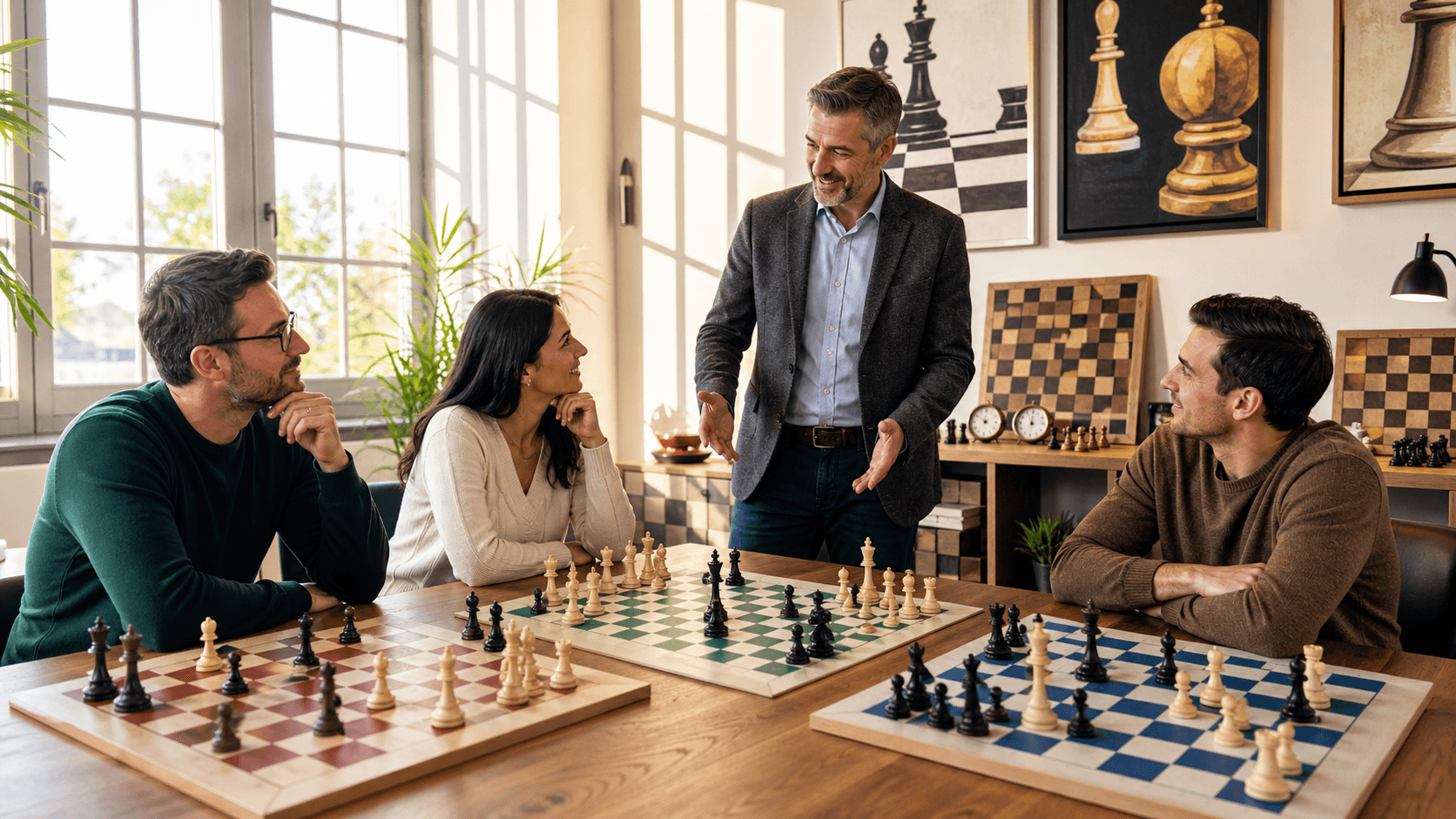
- Weekly group classes: Small groups organized by level, focused on core ideas, strategy, and lots of guided practice.
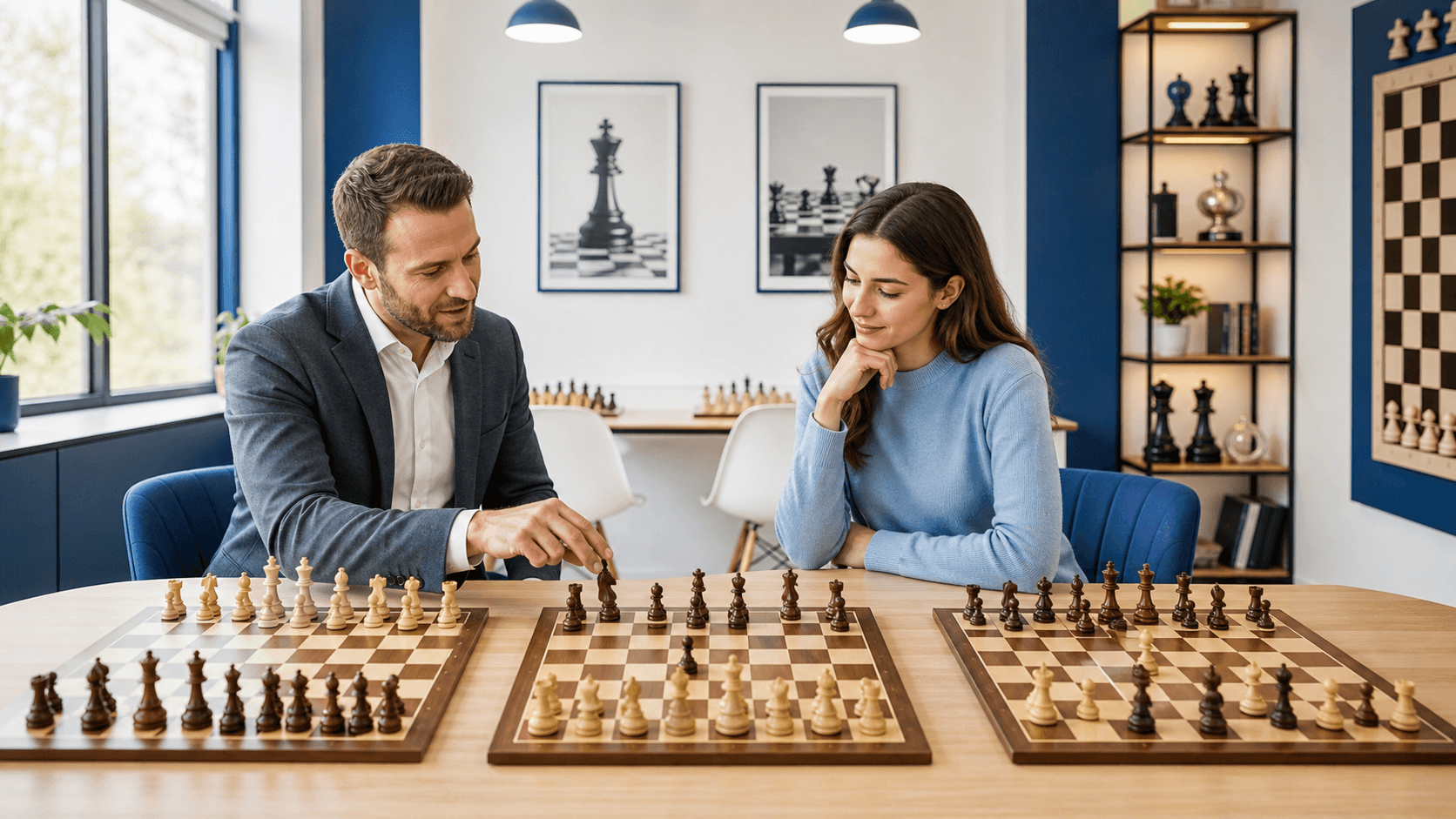
- Semi-private pods: Tiny groups, often 2 to 4 students, where a coach can target specific openings, tactics, and game reviews.
- Private lessons: One-on-one training for kids who are pushing hard for rating jumps or preparing for key events.
- Online training sessions: Remote classes or supervised play that fit busy school schedules and give extra repetition.
Each format supports USCF goals in a different way:
- Group classes build broad fundamentals, board vision, and confidence against many styles.
- Semi-privates sharpen openings, tactics patterns, and endgames so a student can convert good positions into actual points.
- Private lessons focus on deeper game analysis, tournament mindset, and detailed preparation for specific sections.
- Online training sessions keep skills active between in-person lessons and give practice against a range of opponents.
Homework sheets, tactic puzzles, and online sparring are not random busy work. We align themes across our programs so a student might:
- Learn a pin or fork pattern in class
- See the same idea again in their homework
- Practice it again in an assigned online tactics set
- Finally win a game with that exact tactic in an upcoming local USCF tournament
That way, what they practice from week to week connects directly to the kinds of positions they will face at popular Manhattan scholastics and our own academy events.
Using Fall and Winter Tournaments as Training Anchors
Once school starts, the scholastic chess season in New York City speeds up quickly. Families start seeing weekend tournaments on calendars: academy events, local Manhattan school tournaments, and bigger scholastics at places like Hunter and other well-known city venues.
We treat fall and winter events as "training anchors." Instead of endless vague practice, we aim our chess training programs toward specific dates:
- Academy fall weekend tournaments as a lower stress first test
- In-house rated events to practice clocks, notation, and nerves
- Online quads to get more rated style games without long travel
Common paths we see:
- Newer players use a smaller academy or local tournament in October as a test run, then step up to a larger city scholastic in November or December.
- More experienced students build toward major winter classics or team events, planning their training blocks around those dates.
Coaches also shift what happens in class depending on the tournament calendar. For example:
- Before a child's first rated event, we give extra practice with clocks, how to offer a draw, and how to record moves.
- Before big winter tournaments, we run endgame "boot camp" sessions so students do not draw won games or lose equal ones.
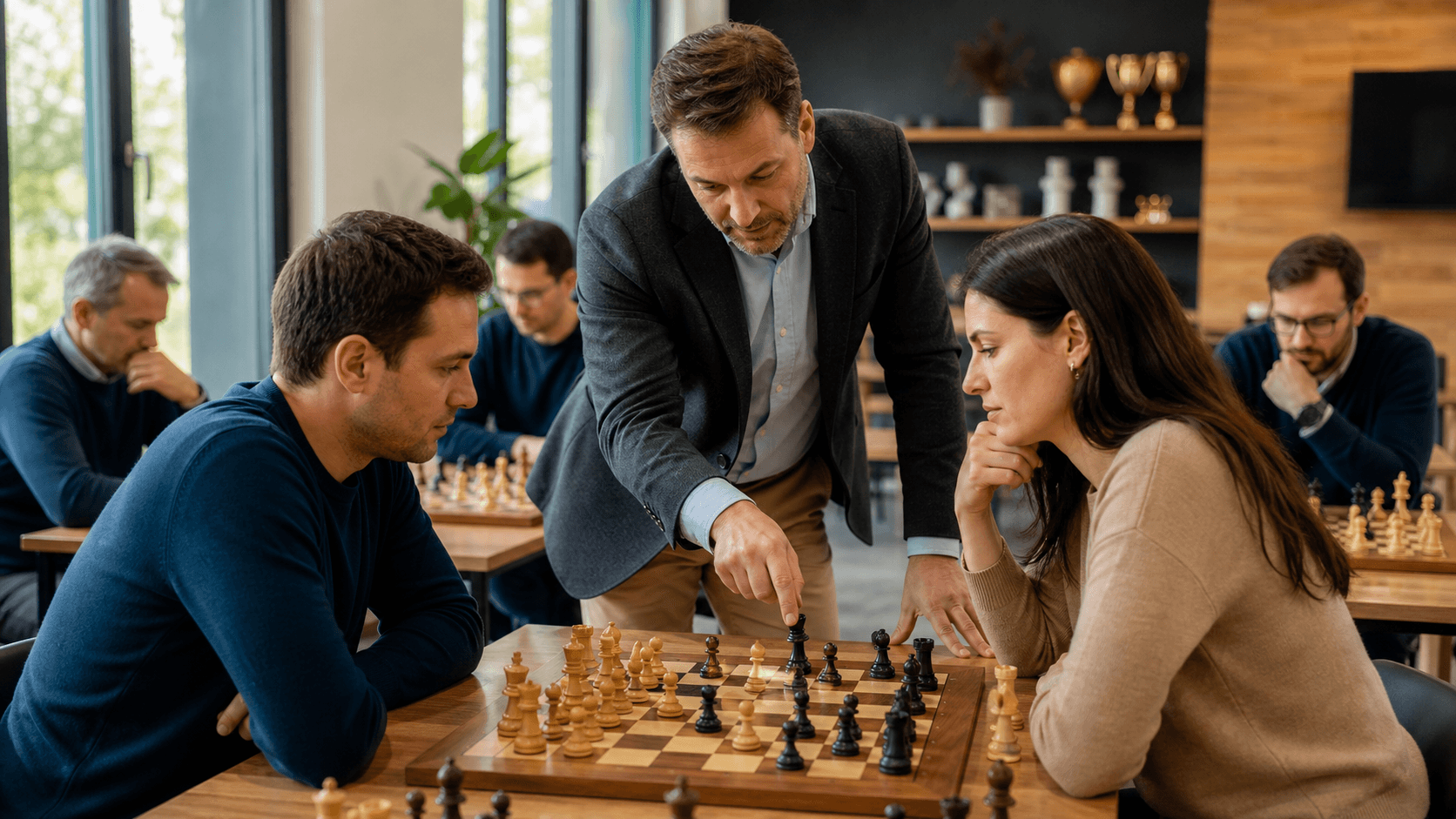
- Right after events, we use students' own games as the lesson plan, turning painful losses into clear learning points and proud wins into new examples to build on.
When a family looks at a calendar and says, "We are thinking about this Hunter event and one of the Manhattan scholastics," we help slot those into the plan so training, camps, and rest days all line up.
Sample Training Pathways From Beginner to 800 USCF
Every child is different, but there are patterns that come up again and again. Here are a few common profiles and how we might plan 3 to 6 months of training for each.
- A 7-year-old new to chess
This student is just learning how the pieces move and maybe knows checkmate, but not much else.
A realistic short-term plan:
- Weekly beginner group class to build rules, basic tactics, and simple mates
- Light homework, mostly short puzzles and mini-games
- One online tactics session each week for repetition in a fun format
USCF goals in the first 3 to 6 months might be:
- Playing in an in-house practice tournament without fear
- Entering a small USCF-rated event and finishing all rounds
- Earning a first provisional rating, no matter the number
A camp, like our seasonal offering Central Park Camp, gives this age group a big boost, since they get many short games and lessons packed into a few days.
- A 10-year-old school-club player
This student already knows the basics and has played many casual games at school, maybe with some online play at home.
A reasonable 3 to 6 month setup:
- Intermediate group class once a week to fill gaps and learn key opening and middlegame plans
- Semi-private pod to review their games and fix specific habits like hanging pieces or moving the same piece too many times
- Regular online training or supervised play session to practice against different styles
USCF goals could include:
- Getting a first rating in the 400 to 600 range
- Scoring 2.5 or 3 out of 5 in a city scholastic at a school like Hunter or another Manhattan host
- Winning a small class prize in a section that matches their level
We also time a seasonal camp or extra training block before a major holiday tournament, then review all their games right after.
- A teen beginner
This student is older, learns fast, and wants to "catch up" quickly.
A focused short-term plan:
- One weekly group class at the right level to cover core theory
- Weekly private lesson for deep analysis and tailored study plans
- Daily online tactics assignments and longer online games
Realistic USCF goals:
- Playing a first rated event within a couple of months
- Jumping into the 600 to 800 range fairly early with steady effort
- Preparing for stronger sections in Manhattan tournaments by the end of the school year
Across all profiles, we keep parents in the loop with regular check-ins, feedback from coaches, and tweaks to the training load during school exams and holidays. For many families, adding a camp or extra online session before a target event and then easing off during finals week feels like the right balance.
If families want to lock in a class or program as they plan toward a goal tournament, they can review current options through our regular registration channels such as the enrollment tools at our cart page.
Turning Today's Class Routine Into Tomorrow's USCF Success
The main idea is simple: you do not have to guess which activities actually move the rating needle. When weekly classes, homework, online practice, camps, and tournaments are aligned around clear USCF milestones, progress feels much more steady and less random.
A helpful next step for many families is to sit down with their child and pick one concrete USCF goal for the current season. That might be "get my first rating," "reach 600," or "score at least 3 points in a Manhattan scholastic." Then, match that goal to the events on the calendar, choose a "goal tournament," and make sure the training program between now and that date fits the target. Over time, those small, clear steps add up to big rating jumps and even bigger confidence gains at the board.
Unlock Your Full Potential With Expert Chess Guidance
If you are ready to take your game beyond casual play, our tailored chess training programs give you a clear path to improvement with structured lessons and real feedback. At United States Chess Academy, we help players of all ages and levels build confidence, sharpen calculation, and understand strategy on a deeper level. Tell us your goals and we will match you with the right coach and plan. Have questions or need help choosing the best option for you? Just contact us and we will guide you.