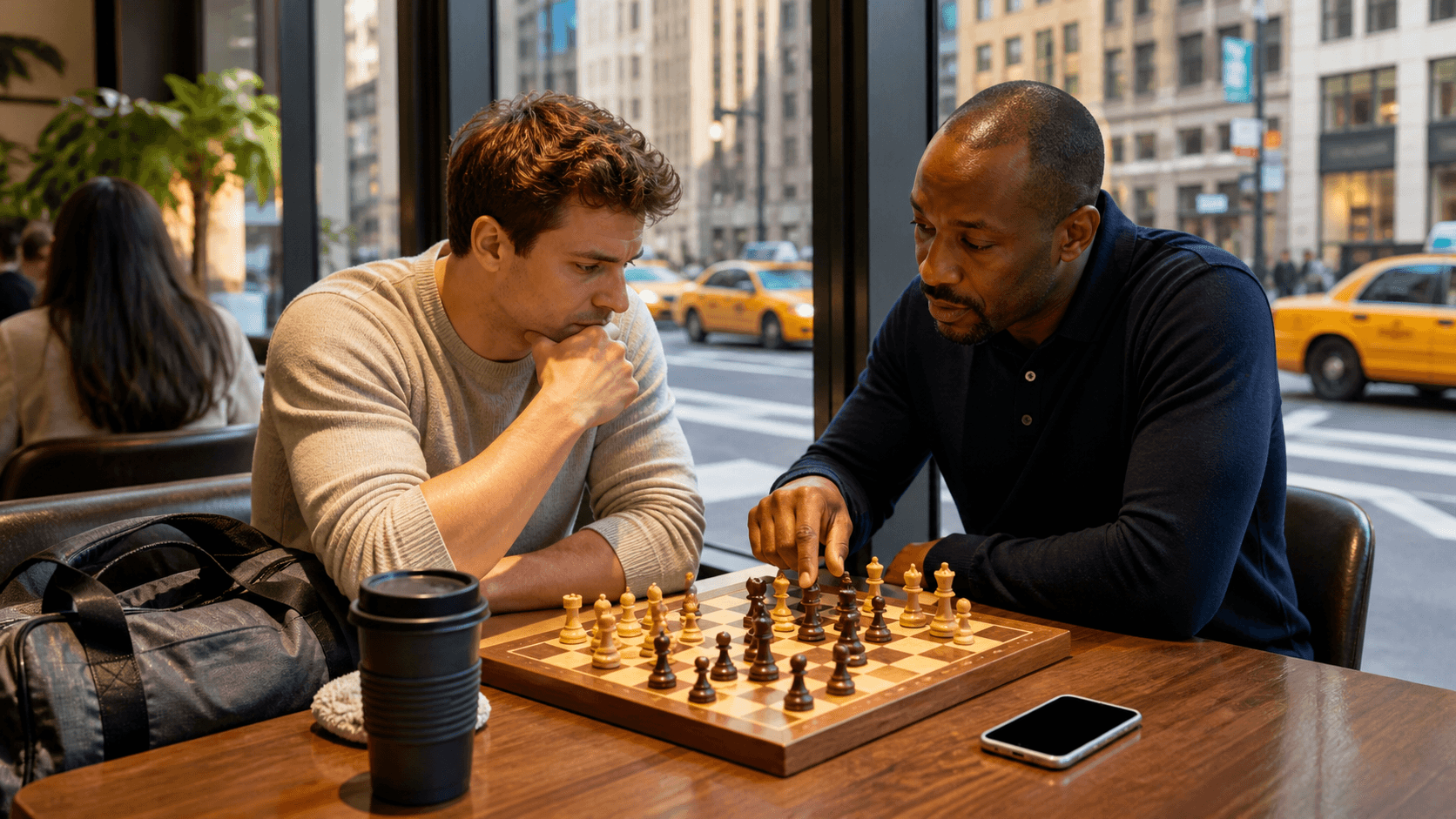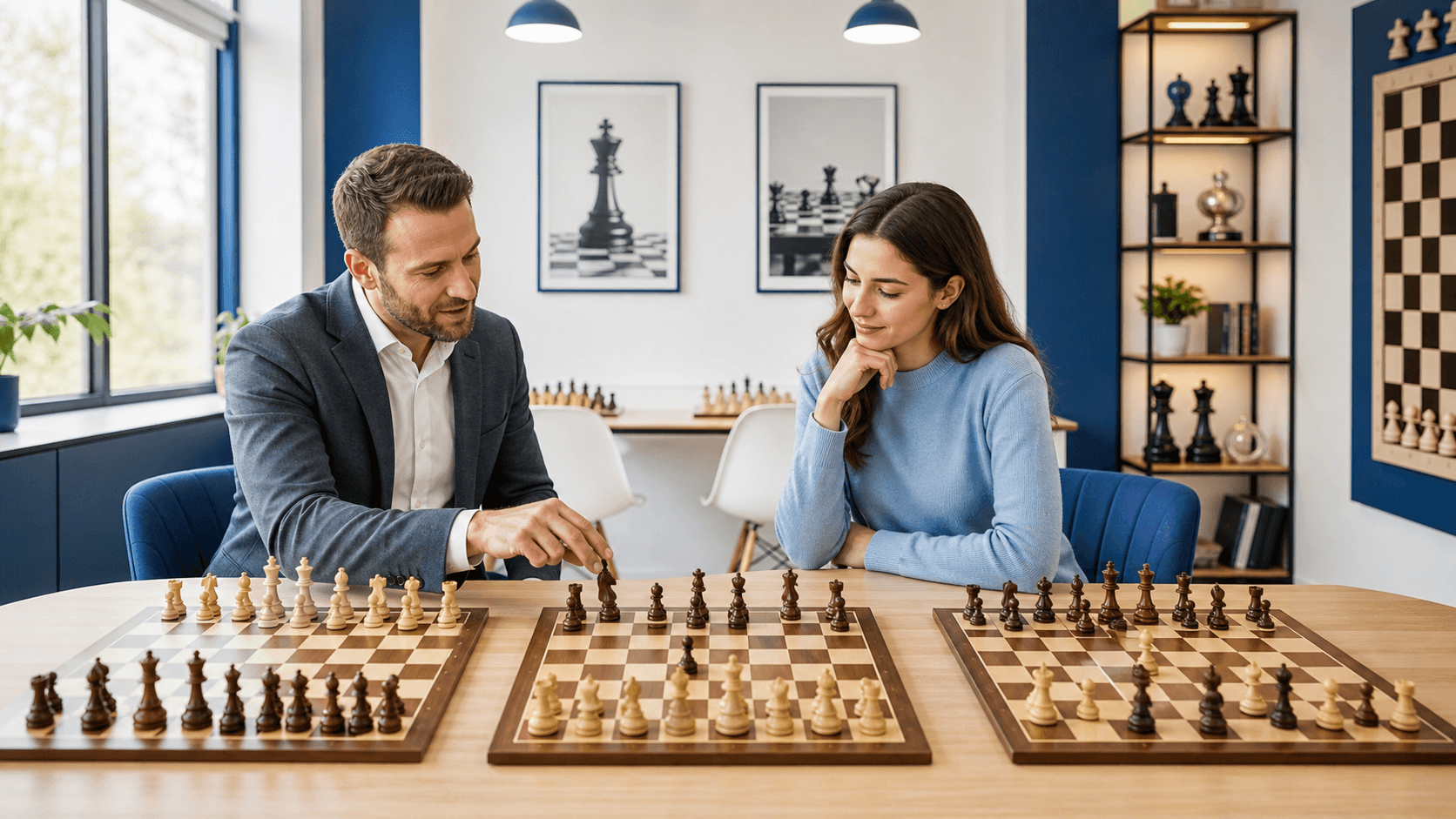
Turning Pre-Tournament Jitters Into Manhattan Momentum
One week before a big chess tournament, kids feel everything at once: excitement, nerves, and a lot of homework. Parents are trying to keep school on track while also supporting real chess goals. That is exactly when a clear, simple prep plan helps the most.
The final seven days are where confidence gets built. Openings get sharper, sleep settles into a good rhythm, and small habits turn into real results over the board. When group chess lessons for kids in Manhattan are working on the same things that are happening at home, kids feel steady instead of stressed.
At United States Chess Academy, we use this "prep week" in our Midtown classrooms and in our online groups to give each day a job. We focus on four things: openings, sleep, game review, and basic tournament logistics. Below is a day-by-day style guide your family can follow so home practice lines up with what we are doing in class and on Zoom.
Locking in Your Opening Game Plan by Midweek
Seven days before a tournament is not the time to rebuild a student's opening from scratch. It is the time to lock in the few openings that already feel natural. Our coaches talk about "A-game only" lines: the openings a child can explain, not just repeat.
In our Manhattan group classes, we structure this week around repetition, not surprise. Students work through:
- Opening ladders where they must play the same opening from both sides
- Mini-tournaments that start from specific opening positions
- Short exercises on typical middlegame plans from their main setups
We keep it rating-appropriate. A newer player might only need one reliable setup with white and one with black. More experienced kids might fine-tune move orders or learn one extra idea against a common reply they will face at events around the city, like local scholastic tournaments in Manhattan or events at schools such as Hunter.
At home, you can match this calm, focused approach without adding new theory. Try a simple routine:
- 20 to 30 minutes per day of opening review
- Use class notes and coach feedback from recent lessons
- Replay 2 or 3 model games in each main opening from our lesson materials
- Ask your child to say the plan in their own words before they move
The goal by midweek is not to know everything. The goal is to feel, "If I get my normal opening, I know what I am doing for the first 10 to 15 moves and I know the basic plans after that." If your child attends our online groups, you can reinforce the same ideas with short review sessions between classes using positions from our online lessons materials.
Resetting School-Year Sleep Schedules for Tournament Focus
By the middle of the school term, many students are still adjusting to homework, after-school activities, chess class, and screens. Sleep often gets squeezed, even for serious players. Lack of rest shows up at the board as slow calculation, careless blunders, and emotional swings after a tough game.
We treat sleep as part of training, not an afterthought. During prep week, our coaches talk openly with students about how they feel during morning rounds compared with late rounds. In Manhattan group sessions, we often:
- Start practice games at the same time many tournaments begin
- Ask students to notice how alert they feel at different times of day
- Remind them to avoid late-night blitz and long TV or tablet sessions
You can mirror this at home with a "7-day sleep reset" that leads into tournament weekend:
- Set a consistent bedtime and wake time and keep it within the same 30-minute window every day
- Cut off video games and non-school screens 45 to 60 minutes before bed
- Swap late blitz marathons for a short tactics set or a quick chat about an old game
Aim to match the tournament-day wake time at least three days in a row before the event. If the first round starts early, this makes the morning feel normal instead of rushed. Many kids are surprised by how much calmer they feel just from being a little more rested.
Turning Old Games Into New Strengths This Week
Seven days out is the perfect time to dig into recent games. Random puzzle cramming can feel busy but does not always fix real problems. Your child's own games show exactly where they are losing points.
In our groups, we ask students to bring scoresheets from recent tournaments or serious online games. Coaches then look for just one or two recurring themes per player, for example:
- Time trouble in equal positions
- Missed simple tactics
- Playing the opening too fast without thinking
- Basic endgames that feel confusing
We often form "game review circles" in class. A student sets up a critical position from their own game on the demo board. The group votes on candidate moves, explains their ideas, then compares them with what was actually played and with the coach's notes. The student learns, and the whole group learns how to think more clearly at big decision points.
You can copy this style at home without needing to be an expert player. Try this structure:
- Pick three recent games from your child's events or long online games
- Mark 3 to 5 key "decision points" in each game where the position sharply changed
- At each point, ask three questions:
- What moves did you consider during the game?
- Why did you choose the move you played?
- After what you learned in class, what would you play now?
This keeps the focus on how they think, not just on right or wrong moves. Over time, this connects with the long-term improvement themes we share in our newsletters, where we remind students that correcting patterns matters more than any single tournament result.
Smart Packing and Tournament-Day Routines for NYC Families
Good prep is not only on the board. In New York City, simple logistics can add or remove a lot of stress. Trains, weather, and building entrances can make a calm morning turn hectic, whether your family is heading to a Midtown event, a Central Park scholastic tournament, or a weekend at a school site.
Our coaches walk students through tournament-day habits in the final class before big events. We cover a basic packing checklist like:
- Board and pieces if needed, plus notation book and pens
- USCF ID and any entry confirmation or pairing info
- Refillable water bottle
- Clean, non-messy snacks that are easy to eat between rounds
- A light hoodie or sweater in case the playing hall is cold
- A small notebook with opening reminders and coach notes
We also talk about arrival routines. In class, we sometimes role-play:
- Walking in, finding the pairing sheet, and spotting your board
- Checking the round time instead of guessing
- Doing a short, quiet warm-up like a tactics sheet or visualization exercise
For many Manhattan families, travel is its own challenge. It helps to plan subway routes or driving and parking with extra time in mind. Rain, crowds, and weekend service changes are common. For events that are part of a bigger block of training, like our holiday camps near Central Park or other city events, this planning becomes a simple habit.
A practical 24-hour timeline might look like this:
- The night before: light opening review, no new lines, set out clothes and pack the bag
- Morning of: simple breakfast, a few easy tactics or checkmate patterns, gentle stretching
- Arrival: reach the venue 30 to 45 minutes early, find the bathroom, check pairings calmly
- After each round: a short walk, water and snack, then mark 1 or 2 key positions to review later in class
If your child attends multi-day training, such as our Central Park camp, this same routine helps keep energy steady across long weekends too.
Sync Your Home Routine with Our Manhattan Prep Week
The most helpful thing families can do is keep home prep and class prep working in the same direction. When a child hears the same focus at the Academy and at home, everything feels clear and connected.
A simple way to sync your week with what we focus on in our Midtown group lessons and online groups is:
- Sunday to Tuesday: openings, opening ladders, and basic plans
- Midweek: game review circles in class and decision-point talks at home
- Thursday to Friday: logistics, packing, sleep, and mental prep
- Tournament day: calm routines, no last-minute new material
This rhythm works whether your child comes in person or trains online through our group programs. It also fits well with many of the local events families target, including Manhattan scholastic tournaments and other well-known city competitions.
When the week before a tournament is clear and structured, nerves turn into focus. Kids walk into the playing hall knowing their openings, feeling rested, aware of what they are trying to improve, and confident that the adults in their corner are all on the same page. That is the kind of momentum that carries through the entire season, not just one event.
Help Your Child Build Lasting Confidence Through Chess
If you are ready to nurture your child's focus, strategic thinking, and resilience, our group chess lessons for kids in Manhattan are a great place to start. At United States Chess Academy, we create a supportive classroom environment where young players challenge themselves and grow at their own pace. We will help you choose the right level so your child feels both comfortable and inspired. Have questions about schedules or placement, or want to reserve a spot now? Simply contact us and we will guide you through the next steps.