Unlock Faster Improvement with Smarter Rapid Play
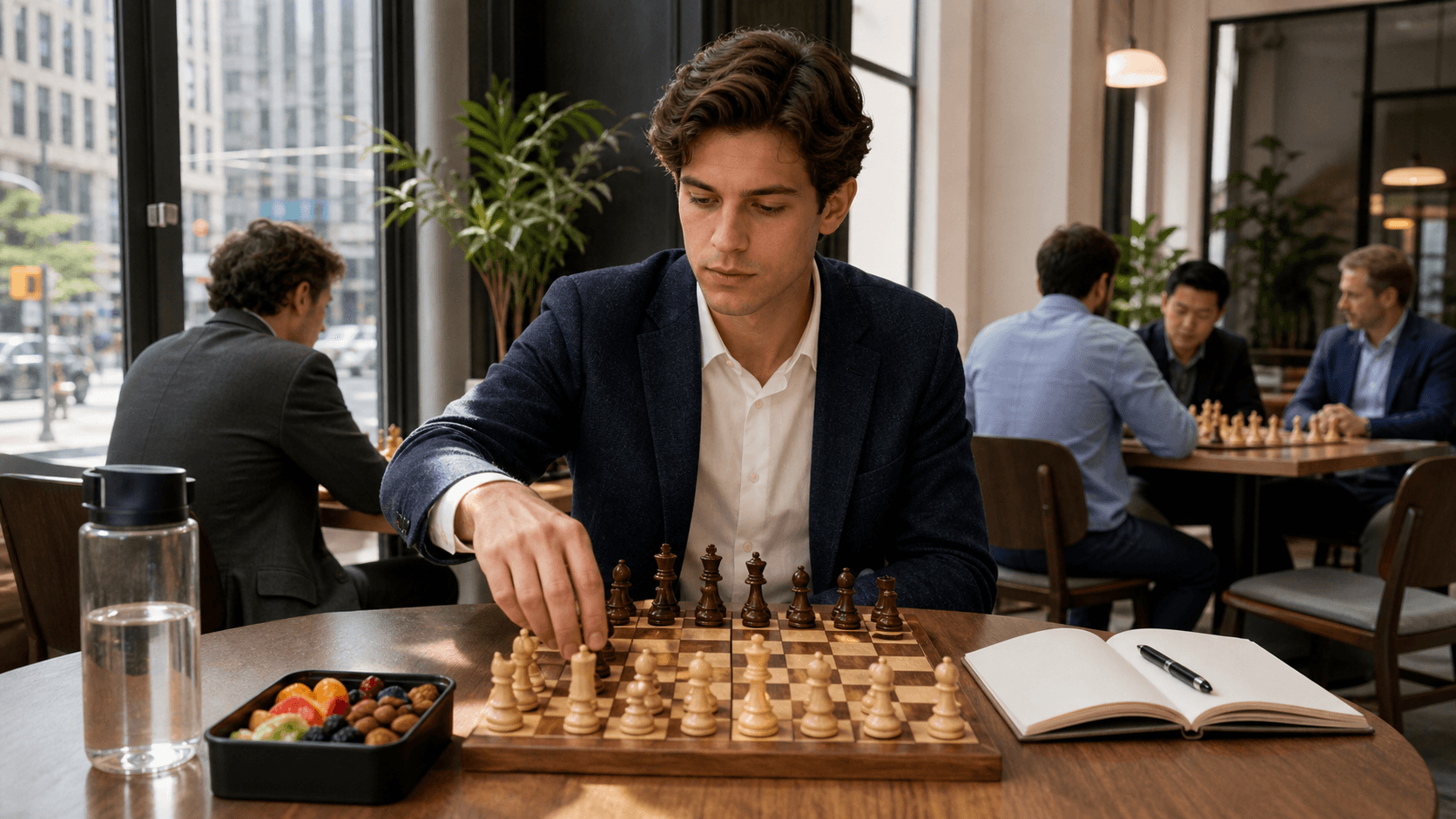
Rapid chess is the missing middle for many Manhattan players. There is plenty of blitz on phones during subway rides, and maybe a long weekend event once in a while, but not much structured rapid play. That gap is where a lot of real growth can happen, especially if you are trying to improve around school, work, or family life.
Rapid chess sits between blitz and classical. Games are long enough to think but short enough to fit into a busy weekday. For a typical rapid chess tournament in Manhattan, that might mean 15 minutes with a small increment, or around 25 minutes per side. In that time, you have to balance speed and accuracy, and that tension exposes how you really think.
We like to push one simple idea: rapid events work best when they are question-based. Instead of just trying to win by instinct, you enter each game with a small set of thinking questions that you ask again and again. The focus moves from "Did I win?" to "Did I ask the right questions when it mattered?" When you do that, a normal rapid event turns into a training lab that fits right into New York schedules.
Why Most Manhattan Players Misuse Rapid Time Controls
Many players treat rapid like stretched blitz. The clock is ticking, the moves come out fast, and the game feels like a race instead of a problem to solve. That habit can lock your rating in place, even if you are playing a lot.
We often see two styles of rapid play:
- Fast but thoughtful: you stay calm, follow a clear thinking process, and use time on key moves
- Fast and careless: you move on the first idea you see and trust your "feel" for positions
The problem with the second style is that it hides deep issues behind instinct. You might get away with loose moves in blitz, but in rapid your opponent has enough time to punish you. That is actually a good thing, because rapid shows you leaks that blitz keeps covered up.
Common problems that show up clearly in rapid games include:
- Getting lost in the opening without a plan
- Repeating time trouble in every single round
- Missing simple tactics when the position first opens
- Struggling to convert winning endgames
In Manhattan, life is packed. Long school days, demanding jobs, activities, and often long walks or commutes between all of them. It feels easier to just knock out a few blitz games on your phone or save your energy for a rare classical weekend. That habit leaves a big space in the middle where your thinking could be built and tested in a more realistic way.
Good rapid events, such as those often held at Hunter or other strong local venues, can fill that gap. But the real leap comes when you treat those tournaments as practice for better thinking, not just more games.
The Power of Question-Based Rapid Training
So how do you make your rapid games smarter without freezing on the clock? We like to work with short, simple question sets that you repeat until they become a habit. The goal is not to ask 20 questions every move. The goal is to train your brain to hit a few key ones at the right moments.
Here are examples of core questions that change games:
- What are all my opponent's threats?
- What changed with the last move?
- Where is my worst-placed piece, and can I improve it?
- If I play this move, what is my opponent's best reply?
When you walk into a rapid chess tournament in Manhattan with this kind of question-checklist already written in your head, each round becomes guided practice. You are no longer "just playing fast." You are testing how well you can stick to your questions at real speed.
This shift leads to clear benefits:
- Fewer one-move blunders, because you always ask about threats
- Better time use, because you know which moments deserve extra thought
- More stable plans, because you focus on improving your worst piece
- Stronger post-game learning, because every mistake connects back to a missed question
Over time, rapid games start to feel less random. You see patterns. You remember positions not as "I lost somehow," but as "I forgot to ask what changed when they played that pawn move." That is exactly the kind of memory that turns rapid play into long-term improvement.
Inside a Question-Based Rapid Event at USCA
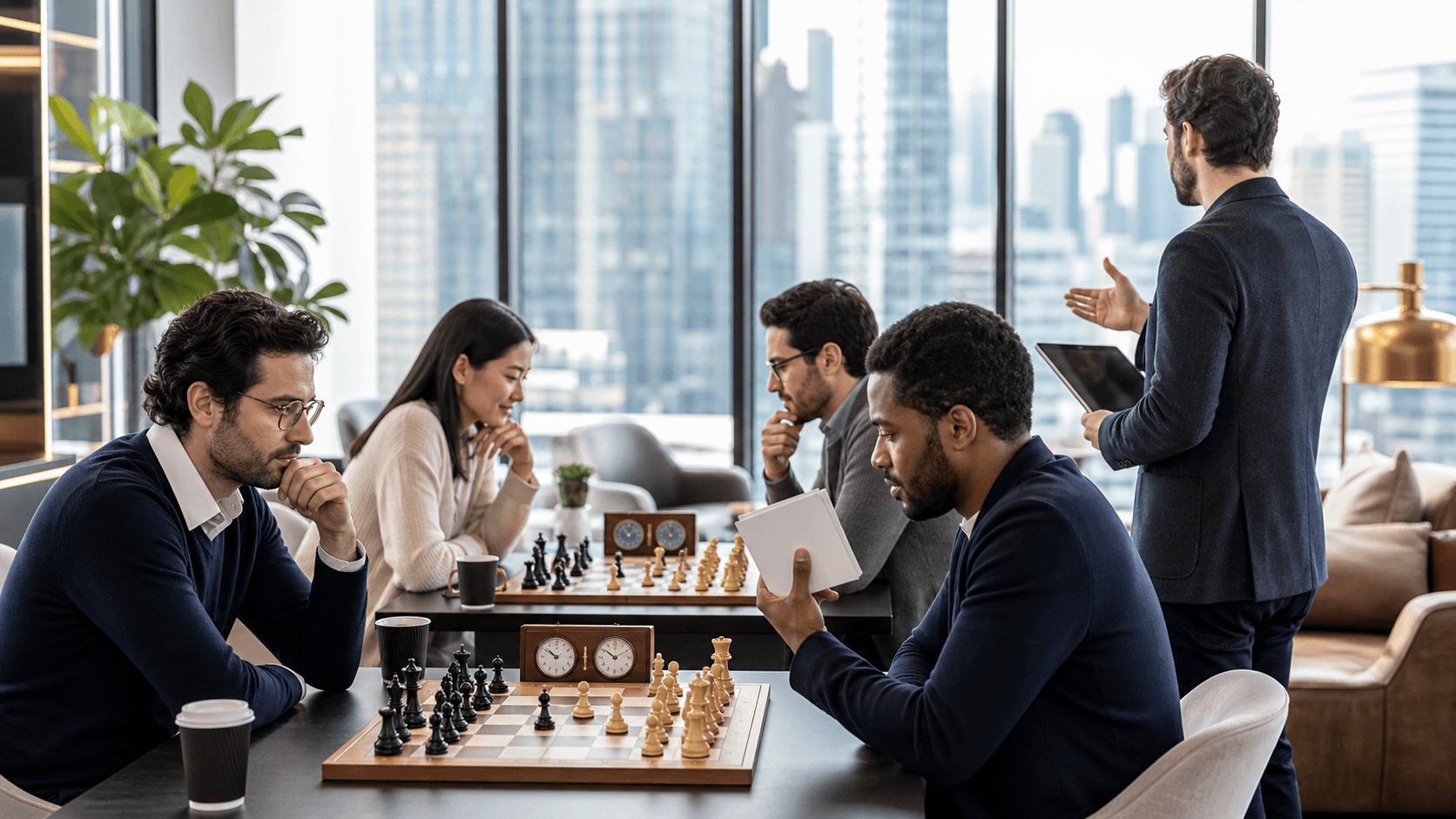
When we run rapid events with a question-based focus, we treat the whole day as one long training session, not just a series of pairings and results. The structure matters as much as the time control.
Before the first round, we do a short prep session. Titled coaches walk players through a small set of questions they will use during the event. We keep it simple so people can remember it under pressure. This might happen in person at our Manhattan location, or online for hybrid events that connect with our online lessons.
During the games, we highlight certain "trigger moments" for using those questions, such as:
- When you finish development and the opening is basically over
- The first time pawns clash in the center
- Before making a pawn break or sacrifice
- Right before trading queens or entering an endgame
You do not pause forever, but at those moments you quickly run your questions: threats, what changed, worst piece. This gives structure without killing your clock.
After each round, we like short, focused reviews. Players might sit with a coach or join a group huddle and go through just one or two key positions. We ask, "Which question did you skip here?" That makes the lesson crystal clear.
This kind of structure pairs well with regular rated guidelines, such as those found in the national overview of Rapid Chess Tournaments | US Chess.org. While rules and ratings matter, the training mindset is what turns those rules into real growth.
We often save games for deeper study in ongoing lessons and camps, like our outdoor-focused Central Park camp, so patterns from tournaments feed back into regular training.
Choosing the Right Rapid Chess Tournament in Manhattan
Not all rapid events are equal for training. The right structure can help you apply your question checklist without rushing every move.
Here are things we like to see:
- Time controls like 15+10 or 25+5, long enough to think, short enough for several rounds in a day
- Clear rating sections, so games are challenging but not crushing
- Reasonable round counts, usually 3 to 5 rounds for a single session
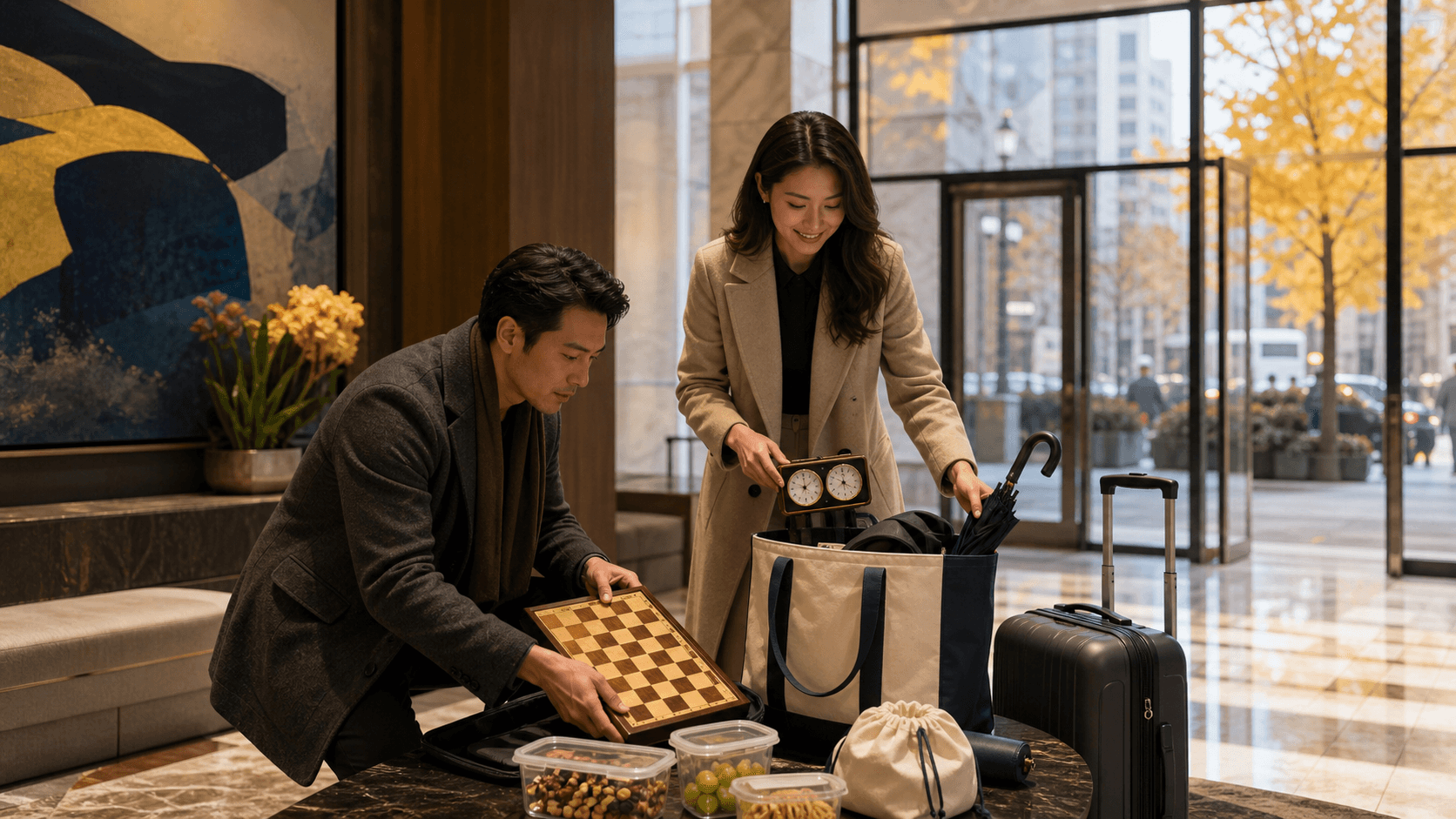
- Schedules that fit Manhattan routines, like after-school, evening, or single-day formats
There are many strong events across the city, including popular scholastic tournaments and rapid nights at local schools and clubs such as Hunter. When you compare options, ask yourself: which ones give you the best chance to apply your questions without long travel or heavy time pressure?
We also like events that include structured feedback. That can look like:
- Game collection for later analysis
- Access to coaches for short post-round reviews
- Clear notes or homework ideas based on your games
Rapid tournaments close to the end of summer can be especially useful. They act as tune-ups before the busy fall scholastic season and tough adult weekend events. You shake off rust, sharpen your decision making, and enter longer tournaments already thinking clearly.
Some players pair these events with ongoing work through structured programs or even self-paced study with materials found through the training resources section of our own offerings. The key idea is to see rapid play as part of a bigger plan, not a one-off day.
Turn Your Next Rapid Event Into a Training Breakthrough
You do not have to wait for a special event to use this method. You can turn your very next rapid chess tournament in Manhattan into a question-based lab.
Before the first round, write down a short checklist on a small notecard or in your scorebook. For example:
- What are my opponent's threats?
- What changed with the last move?
- Where is my worst-placed piece?
Pick one upcoming rapid event, at any solid local venue, and decide that your main goal is to follow this checklist in every critical moment. Winning is great, but the real victory is staying loyal to your questions, even under pressure.
After the event, take your games and look for two things: where you remembered your questions and played well, and where you skipped them and suffered. Bring those positions into your weekly lessons, group classes, or online sessions so the same mistakes do not show up again and again.
Over time, your rapid games will start to feel calmer and more logical. You will still get sharp attacks, wild defenses, and tough endgames, but they will sit on top of a clear thinking base. That is how rapid play stops being random and starts becoming the engine behind steady rating and confidence gains.
Boost Your Chess Skills With Competitive Rapid Play
If you are ready to test your calculation, time management, and tournament nerves, join our next rapid chess tournament in Manhattan. At United States Chess Academy, we design events that challenge growing players while keeping the atmosphere friendly and instructive. Whether you are sharpening your game for bigger events or returning to competitive chess, we will help you make the most of every round. Have questions about formats, ratings, or schedules? Contact us and we will help you get registered.