Turn Manhattan Tournament Days Into Confident Routines
Tournament days in Manhattan can feel intense for kids and parents. New place, lots of people, long rounds, and a busy pairing sheet on the wall can all create stress before the first move is even played. A simple, repeatable routine turns that stress into calm focus.
At United States Chess Academy, our students already practice pieces of this routine in class through our current work on tournament readiness and practical play. In recent classes, we've been doing pre-game checklists, time management drills, and mindset work, the same skills highlighted in our latest family newsletter. Here, we are pulling those pieces together into one clear blueprint you can follow at any tournament, from local school events up to the upcoming Manhattan tournaments on our calendar, including the Hunter event and our Academy-partnered city classics. This guide is written for kids and parents together so the whole family feels prepared, on the same page, and ready to enjoy the day.
The Night Before: Calm Prep Beats Last-Minute Panic
Good tournament days usually start the night before. When we prepare early, kids walk into the playing hall feeling ready instead of rushed.
First, handle the basic logistics. Sit down with your child and quickly review the official tournament flyer or website. Confirm:
- Exact address and floor or room
- Start time of round one
- Number of rounds and time control
- Any special rules, like no outside food in the playing room
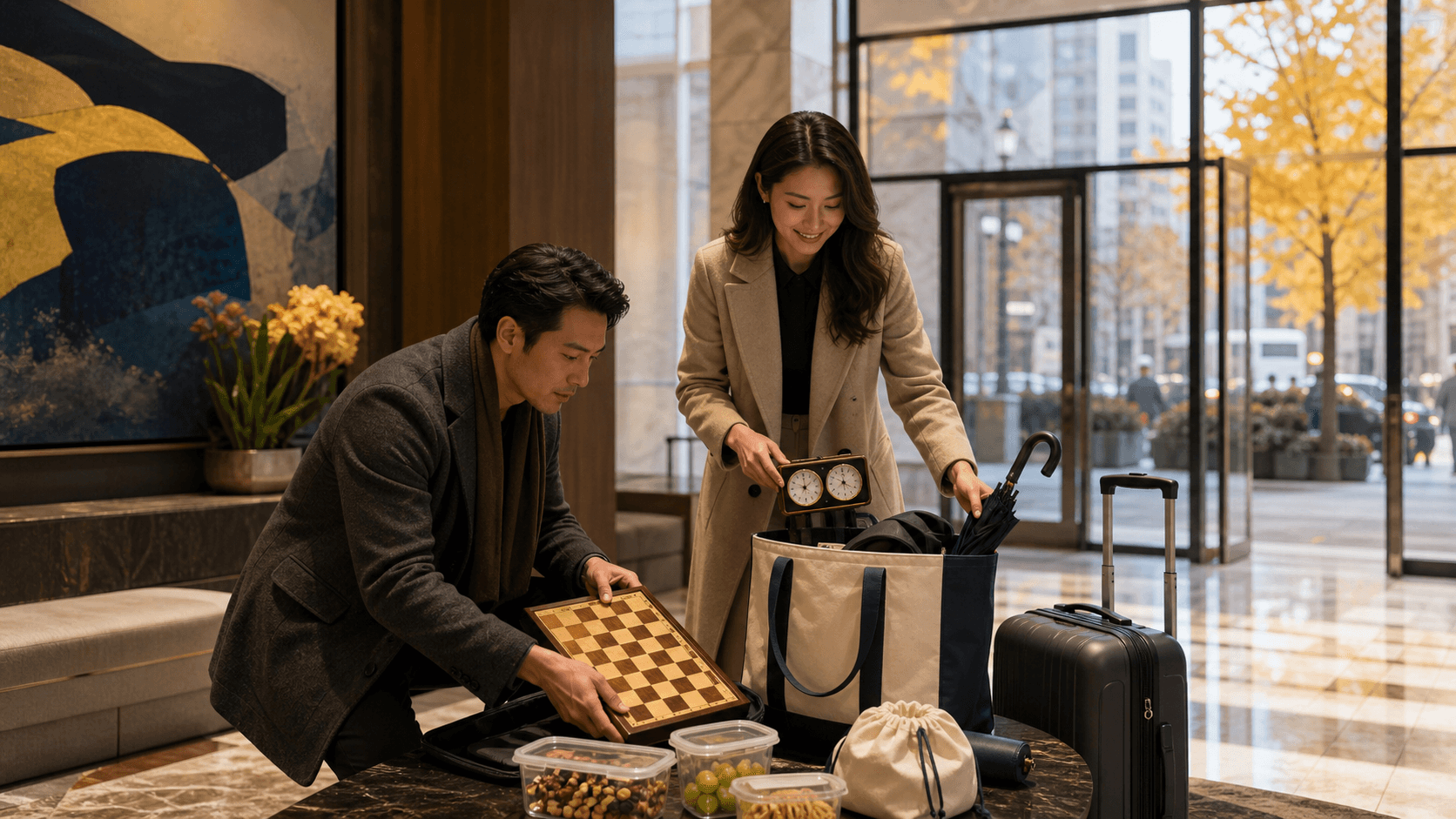
Then pack a simple tournament bag. Helpful items include:
- Scoresheets or a scoresheet book if allowed
- Two or three pencils or pens
- Filled water bottle
- Light sweater or hoodie in case the room is cold
- Easy snacks such as a banana, grapes, nuts, or whole-grain crackers
If your child has a United States Chess Academy T-shirt, set it out with comfortable pants and shoes. A familiar outfit can give a quiet boost of confidence.
For chess prep, keep it light and aligned with what we are doing in class this month. We suggest 20 to 30 minutes that match current class work, such as:
- A small set of tactics patterns pulled from the same themes we're training (for example, forks and pins for our Beginner/Intermediate groups, or double attacks and discovered checks from our current Intermediate/Advanced cycle)
- Quick review of the main opening structures we've been highlighting in lessons, not new ones
- One or two typical endgames from our recent newsletter examples (for many groups, that currently means king and pawn endings and basic rook endgames)
Stop there. No late-night opening experiments. After that, shift to screen-light, calming activities like reading, drawing, or a quiet board game.
Sleep and mindset matter just as much. Try to keep a regular bedtime and limit phones or tablets in the hour before bed. Many Academy students practice a short "confidence script" we've shared in class and in our newsletter, for example: "I know my openings, I will use my time well, I will learn from every game." Saying something like this slowly, a few times before sleep, helps ease nerves about the upcoming Manhattan tournaments on our schedule and lets the brain settle.
Morning Warm-up That Mirrors Academy Training
Tournament mornings can be hectic, especially when you are traveling to a Manhattan venue. To lower stress, aim to arrive 30 to 45 minutes early. That gives time to:
- Check in or confirm registration
- Find the board area and restrooms
- Put away jackets and bags
- Take a short walk to settle in
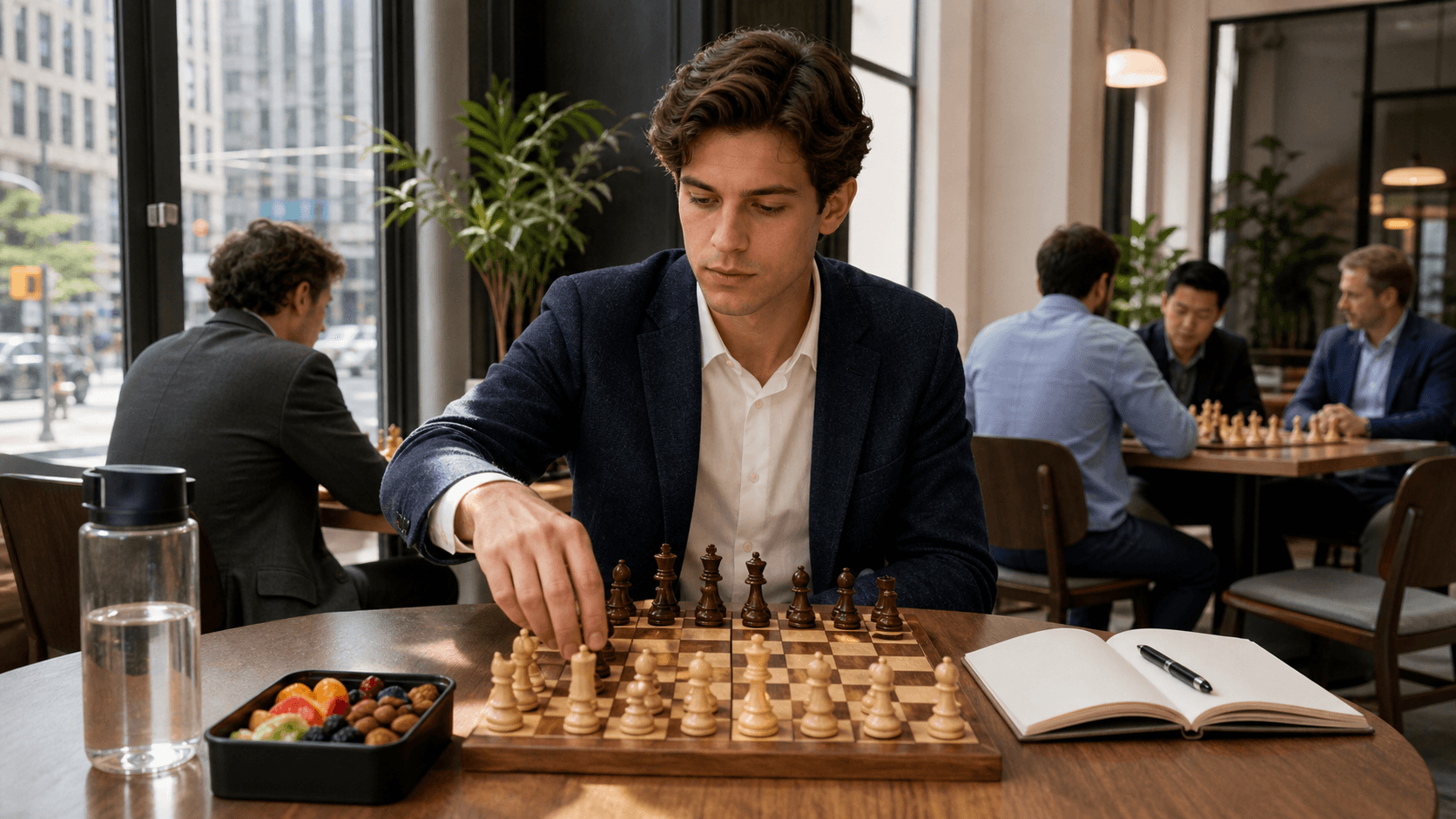
Right before round one, do a small chess warm-up that feels familiar from our current training blocks. Here is a simple 10 to 15-minute routine:
- 5 quick tactics puzzles, not too hard, using themes from our recent class packets and newsletter puzzle section
- 2 to 3 "what is threatened?" positions, where kids identify loose pieces and checks; this mirrors the safety checks we've been practicing weekly
- A 1 to 2 minute visualization: have your child close their eyes and picture the starting position, then "move" a knight or bishop in their head, just like we do in our current visualization drills
You can print puzzles from the latest Academy take-home sheets or use problem sets from online lessons tied to our online lesson programs, which are synced with what students are seeing in class this term.
Include a simple breathing routine students will recognize from class. For example,
- Breathe in through the nose for a count of 4
- Hold for a count of 4
- Breathe out slowly for a count of 6
Repeat 4 times. This is the same routine we've been practicing in class before practice games and helps kids shift into "tournament mode" without feeling wired.
Parents play a big role here. Helpful things to say:
- "Remember your checklist from class: safe king, watch tactics, use your time."
- "No matter what happens, we look at it later and learn."
- "I am proud of how you are preparing and trying."
Things to avoid right before the round:
- Last-minute opening lectures or long lines like "You must win this one."
- Talking about ratings or standings
- Comparing them to other players
Short, calm encouragement beats pressure every time.
Smart Fuel and Reset Between Rounds
What kids eat and how they spend breaks can change how they feel by the last round. The goal is steady energy, not sugar spikes or food comas.
Some easy, tournament-friendly snacks include:
- Fruit such as bananas, apples, grapes, or berries
- Nuts or trail mix without too much candy
- Yogurt cups or tubes if allowed and easy to store
- Whole-grain crackers, granola bars, or small sandwiches
- Plenty of water, with maybe one small juice box if needed
Try to skip heavy, greasy meals between rounds, like fast food, or big sugary treats that may lead to crashes. Save those for a post-tournament treat if you want one.
Between rounds, we recommend a short "reset ritual" similar to what we practice at the Academy during our current tournament-prep cycle:
- Physical reset: 5 to 10 minute walk outside or in the hallway, plus a few stretches.
- Hydration and snack: a few sips of water and a small snack, not a giant meal.
- Mental reset: one simple phrase, repeated quietly, such as, "New round, new game," or "Next game, fresh start."
This helps kids let go of the last result, good or bad.
Downtime can be tricky, especially when pairings take a while. Useful, calming options include:
- Puzzle booklets or worksheets from class and the ones linked in our latest newsletter
- Light, non-chess conversation with family or friends
- Quiet reading or drawing
Try not to spend the whole break replaying the full game in detail. Quick notes are fine, but long, emotional analysis can keep kids stuck on mistakes. Also avoid refreshing pairings over and over if they are posted online. One check is enough. The break is for rest, nutrition, and reset.
Simple Post-Round Notes Kids Will Actually Use
Right after a game, details are still clear in a child's mind. A fast note-taking habit helps make future lessons much stronger.
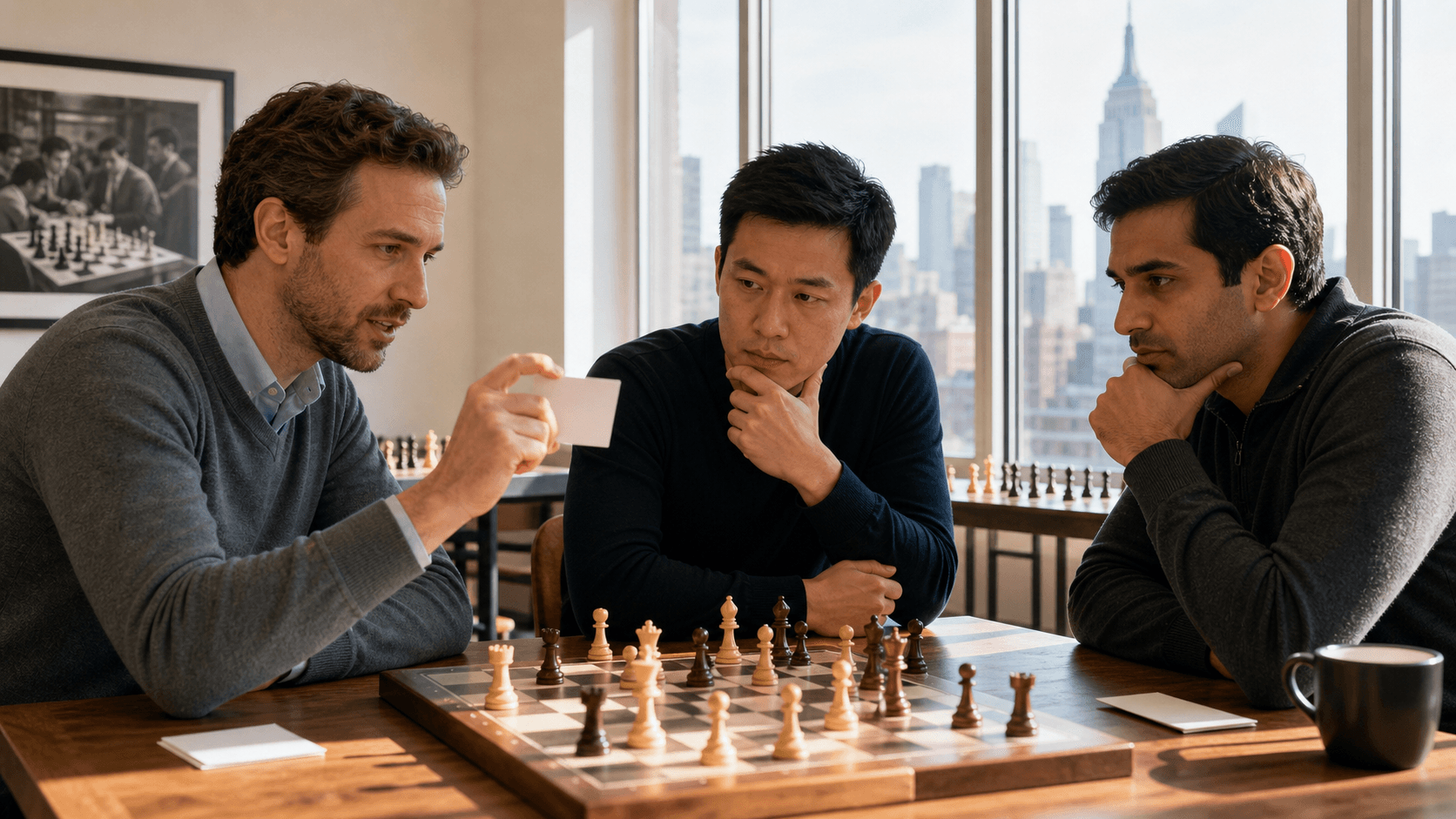
We like a short, three-question template that matches how our coaches currently go over games in class and in our small-group review sessions:
- What went well? (Maybe a good opening idea, or staying calm in time pressure.)
- What confused me? (A sacrifice, a pawn break, or a trade they did not understand.)
- Where did I get into time trouble? (Move numbers or phases of the game.)
Even if the scoresheet is messy, kids can jot this at the top or bottom, or in a small notebook inside their bag. For younger students who write slowly, parents can quietly write while the child talks for just one or two minutes.
To connect tournament play with future lessons, help your child flag one or two key positions from each game. That might be:
- The moment the game turned
- A tactic they missed
- A tough endgame decision
Circle those move numbers on the scoresheet or star them in the notebook. Then those positions become perfect material to bring into upcoming Academy offerings, regular classes, our next Central Park camp session, or focused online training blocks that we've highlighted in the newsletter as tournament follow-up options. This turns events like the Hunter tournament and other Manhattan dates on our schedule into real training tools, not just long days.
Parents can also shape healthy reflection by focusing on process. Some phrases that help:
- "What did you do well in this game?"
- "Which position should we show your coach?"
- "How did your time management feel that round?"
Try to avoid opening with, "Did you win?" Results matter, but effort, learning, and decision quality matter more for long-term growth.
Build Your Family's Tournament Day Playbook Now
All of these steps work best when they are written down and reused. We encourage families to build a one-page "Tournament Day Playbook" together, connected to what students are using in class. It can include:
- Night-before checklist (packing, light review based on current class themes, sleep plan)
- Morning routine (arrival time, warm-up, breathing)
- Between-round reset steps and snack ideas
- Post-round notes template and space for key positions to review in the next class or program
Keep a printed copy in the tournament bag, and update it after each event. Maybe your child finds that a certain snack feels better, or that they prefer a longer walk between rounds. Adjust the playbook as you go.
As kids play more events, from local school meets to the upcoming Manhattan tournaments on the Academy calendar, this consistent routine will feel like home. The same warm-up, food plan, reset steps, and quick notes help them stay calm in any playing hall. It turns each event, including the ones run by United States Chess Academy and other organizers across the city, into a steady learning lab instead of a stress test.
Over time, you will see that the real win is not just a trophy. It is a child who knows how to prepare, how to handle long days, and how to turn every game into clear feedback they can bring back to training, whether that is regular group classes following our current curriculum focus or focused work through ongoing Academy programs that we spotlight in our newsletters as next steps after tournaments. With a simple playbook and shared routine, both kids and parents can walk into the next event on our schedule feeling ready, steady, and even a little excited for the challenge ahead.
Join Our Manhattan Tournaments and Elevate Your Play
Ready to put your skills to the test against serious competitors in a focused, supportive environment? Explore our upcoming Manhattan chess tournaments and find the perfect event for your level and schedule. At United States Chess Academy, we create organized, fair, and challenging events that help players grow with every game. Have questions about registration or formats, or need guidance on where to start? Simply contact us and we will help you get set up.