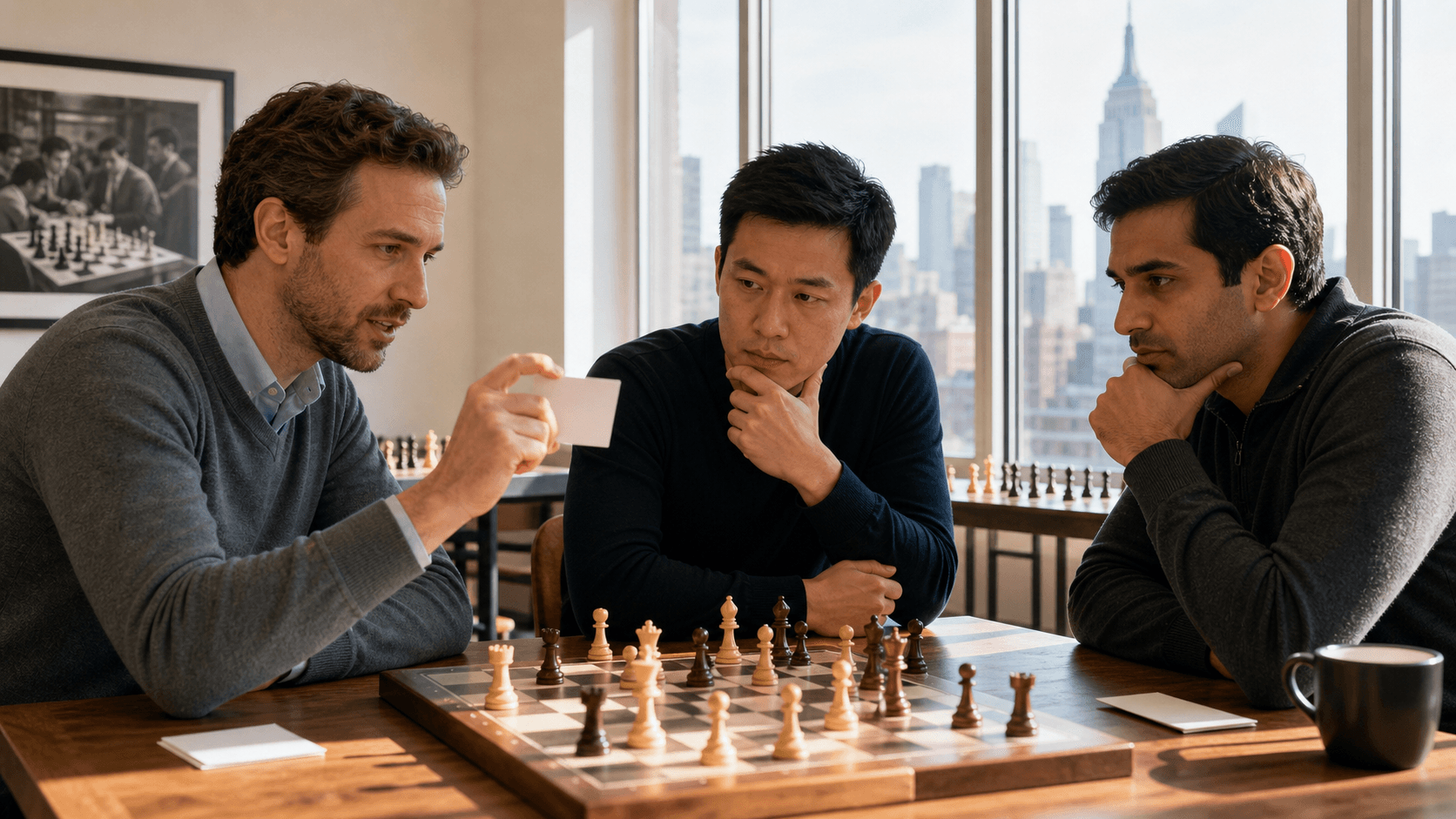
Make This Fall's Chess Tournaments Work for Your Family
Fall in Manhattan often means new teachers, new schedules, and a calendar full of youth chess tournaments in Manhattan, many of them on weekends. It can be exciting and stressful at the same time. Parents want kids to grow in chess without slipping in school, and kids want to play more events without feeling exhausted by Monday.
At United States Chess Academy, we see this every year in our classes. Our fall programs lean into tournament skills, from opening preparation to time management, and our newsletter highlights upcoming local events so families can plan ahead. This guide pulls together what our families are actually doing this season: how to balance homework and events, how to choose between scholastic and USCF sections, and a simple weekend checklist that keeps tournament days calm instead of chaotic.
Building a School Year Chess Plan That Actually Works
The first step is deciding how many tournaments make sense for your family before you even think about pairings or standings.
Start by looking at the school calendar and marking:
- Test weeks and project due dates
- Holidays and three-day weekends
- Sports, music, or other weekly activities
From there, most families pick one or two "focus" events each month instead of saying yes to everything. Some choose big scholastic events at local schools, others target open sections like the Open Section at the 2025 Fall NYOS Scholastic Chess Tournament or strong events hosted at places like Hunter. The key is to be intentional.
Our programs can plug into that plan. For example, a family might:
- Choose a target event in late October
- Use weekly group classes to work on openings and tactics for that event
- Add a few private lessons for game review in the weeks before
- Join an internal practice tournament to simulate the real thing
Families who like a clear schedule often pick a simple rhythm, such as "chess-light weekdays, chess-heavy Saturdays." That might mean short online tactics sessions during the week, then a full tournament or longer training block once the weekend hits. Our coaches can also fold tournament prep into online training using options like online lessons, so the plan matches the exact events on your calendar.
Homework, Tests, and Time Controls: Finding the Right Balance
Once you know which weekends are chess weekends, the next question is: where does the homework go?
Many of our families use a "homework-first" pattern so tournaments feel like a reward instead of a worry. For example:
- Finish as much Friday homework as possible before dinner
- Bring light work to the tournament, like reading or a short worksheet
- Leave Sunday evening for catch-up plus quick game review
This way, kids do not sit at the board thinking about the math packet waiting at home. It also keeps Monday morning less stressful.
Time controls matter here too. A full-day USCF tournament with long rounds can be a lot in the middle of a tough grading period. Shorter scholastic events with faster controls may be better when students are facing midterms or big projects. Our coaches often suggest:
- Longer, slower events during lighter school weeks or long weekends
- Shorter scholastic events when school is demanding
- One "big" long-control event per month instead of several small ones
Chess can also support schoolwork when done right. Tournament preparation teaches:
- Focused study instead of scattered cramming
- Pattern recognition that carries over into math and reading
- Test stamina that feels similar to long exams
Homework from class like tactics sheets or annotated games can sit right beside regular school homework. When parents set a small, steady daily slot, chess becomes brain training instead of one more chore.
USCF vs Scholastic Sections: Choosing Smart, Not Just Ambitious
Parents often ask: should my child play USCF sections or stick with scholastic divisions? The answer depends on confidence, experience, and schedule.
In simple terms:
- Scholastic or unrated events are usually for students only, often grouped by grade or school level. The atmosphere is familiar and focused on learning.
- USCF-rated open sections mix ages and often include stronger adult players. Results affect a national rating and pairings can be tougher.
Both have a place. Early in the fall, families might choose smaller scholastic events around Manhattan to shake off the summer rust. As confidence grows, a first USCF section can be an exciting step, especially in events that also have strong scholastic sections in the same building.
Picking the right rating category is just as important. Many tournaments offer sections like Under-600 or Under-900. Our coaches usually look at:
- Results from recent class tournaments
- Training game performance in lessons or groups
- Past results at youth chess tournaments in Manhattan
If a student is scoring very high in a lower section every time, it might be time to move up. If they are still adjusting to tournament nerves or time trouble, one more event at the same level can build confidence. A simple "fall rating plan" might look like:
- September: one or two scholastic or unrated events to rebuild habits
- October: first USCF section in a lower rating group with clear goals
- Late fall: push for a rating milestone or a move to a higher section, if games show consistent progress
The goal is steady growth, not rushing into the top section before a student is ready.
Weekend Tournament Logistics Tailored to Manhattan Families
Good planning can turn a long tournament day into something calm and predictable. Packing is a big part of that.
We suggest bringing:
- Layers or a light jacket, since playing halls can swing from warm to chilly
- Healthy snacks that are easy to eat between rounds
- A refillable water bottle
- A scoresheet notebook and pen or pencil
- A tournament-legal chess set if the event requires it
- Simple homework or a book for downtime
Manhattan adds its own twists. On weekends, subway schedules can be different, buses can be slow near street fairs, and events in outer boroughs often need more travel time than expected. Many families:
- Check transit apps the night before
- Add extra time for trains, delays, or walking from the station
- Plan a backup route in case of track work
Our newsletter reminders often mention details like earlier start times or venue changes that can catch families off guard, especially for events hosted at big schools or community centers. Some parents even treat fall camps, such as time spent at Central Park camp, as practice for managing outdoor walks, snacks, and transitions.
A simple tournament-day routine helps kids feel grounded:
- Before round 1: short opening review and a calm check of gear
- Between rounds: bathroom break, quick snack, short walk outside if possible
- After each game: a few notes about key moments, not a full deep review
- On the way home: relaxed chat about one thing that went well and one thing to work on
Once this routine is set, each new event, whether at Hunter, a local PS, or a large hotel site, feels familiar even if the building is new.
Turn Fall Events Into a Season of Growth, Not Just Ratings
The most successful families we see do not chase every rating point. Instead, they pick a theme for the season and tie everything back to it. A fall chess theme might be:
- Confidence against higher-rated players
- Endgame basics and better technique
- Time management so games do not end in a last-minute rush
- Tournament mindset and emotional control after tough losses
That theme can guide which events you choose, which sections you enter, and what you ask coaches to focus on in group or private lessons. For some, this means using long-weekend camps as checkpoints, where students bring games from recent Manhattan tournaments and sort out patterns with a coach. Others prefer a steady mix of weekly training and occasional special events found through the program sign-ups page.
When fall ends, it helps to look back together. How many events felt "just right" for your family? Did school stay strong? Did your child's attitude toward chess grow more positive and resilient? Using honest answers to those questions, you can adjust plans for winter, keeping the parts that worked and changing the parts that felt rushed.
With a clear plan, realistic sections, and a simple routine, fall tournaments stop feeling like one more strain on the calendar and start feeling like what they are meant to be: regular chances for steady growth, both on the board and in everyday life.
Help Your Young Player Gain Real Tournament Experience
If your child is ready to test their skills in a structured, supportive setting, our youth chess tournaments in Manhattan give them the perfect environment to grow. At United States Chess Academy, we carefully pair competition with guidance so every game becomes a learning opportunity. Explore upcoming events, find the right section for your child, and let us handle the details. If you have questions about formats, ratings, or schedules, simply contact us and we will help you get started.