Turn Tournament Questions Into Real Chess Strength
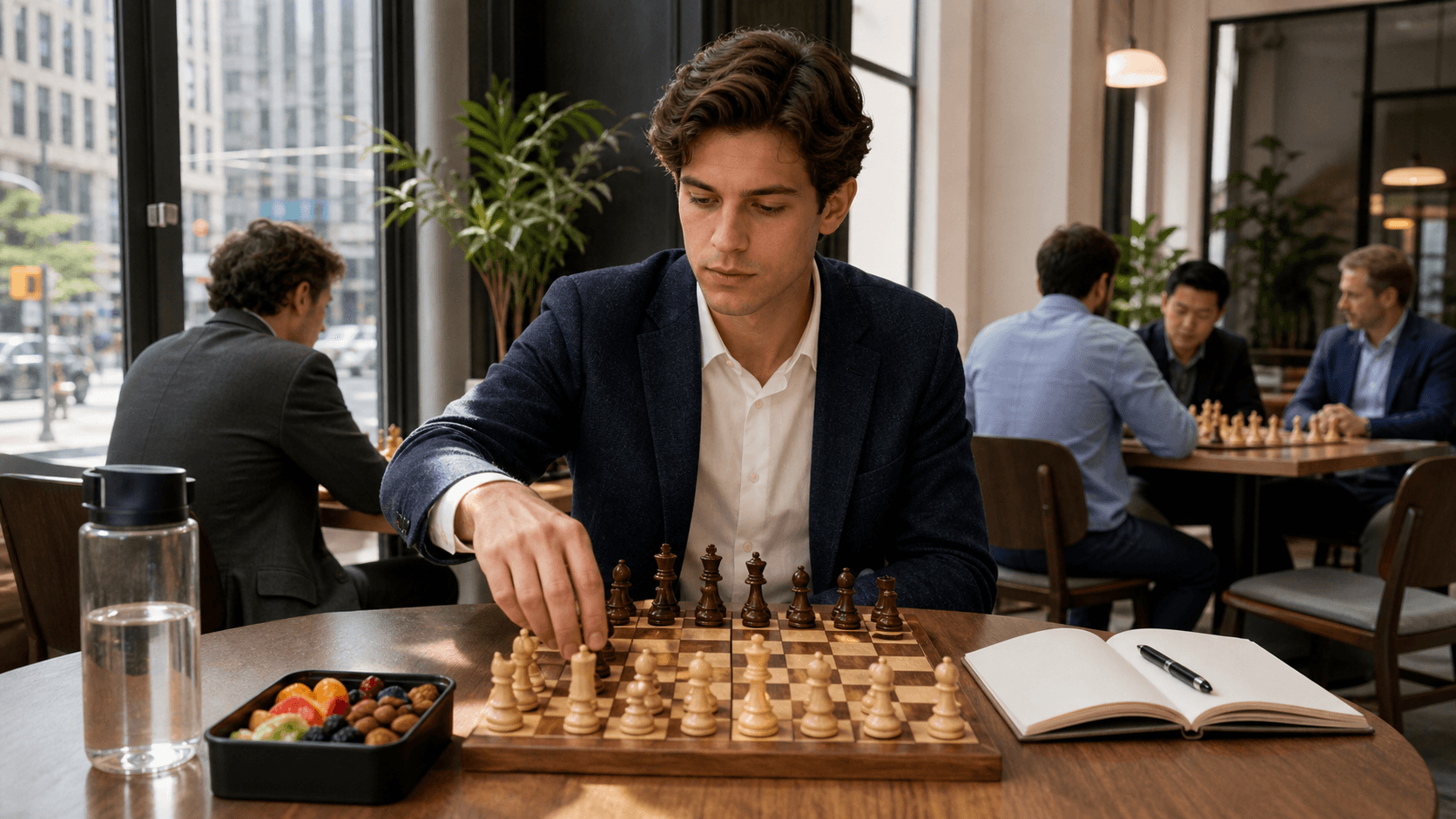
Strong results in Manhattan chess tournaments do not come only from more openings or more puzzles. Real strength shows up when a player can calmly ask the right questions during a real game, under real pressure, with a real clock ticking. That is the skill we want our students to build every week.
At United States Chess Academy in Manhattan, our coaches talk in questions all the time. You may hear things like, "What are the candidate moves?" or "What is my opponent threatening?" or "What changed in the position?" This is not just coach style; it is a training system. We are teaching students to think in a repeatable way so the same process they use in class shows up on Saturday at a Hunter tournament, a local school Swiss, or any of the many Manhattan chess tournaments on the calendar.
This article explains how question-based preparation works, why it beats simple memorization, and how families can support it at home. Our goal is for parents and players to feel that home training, classes, camps, and tournaments are all connected by the same clear thinking habits.
Why Questions Beat Memorization in Tournament Prep
Many players try to get ready for an event by cramming. The week before a tournament, they:
- Shuffle through opening files
- Blitz through tactics on a phone
- Watch random videos far too late at night
Then the first time something unfamiliar happens on the board, all that memorized material vanishes. The player feels lost, the clock runs low, and decisions become rushed and emotional.
Question-based preparation flips that. Instead of asking, "Do I remember this position?" we train students to ask, "How do I think here?" Our coaches build habits like:
- "What changed in the position?" (A file opened, a piece moved, a square weakened.)
- "Where is the king weakest?" (Ours or our opponent's.)
- "What is my worst-placed piece and can I improve it?"
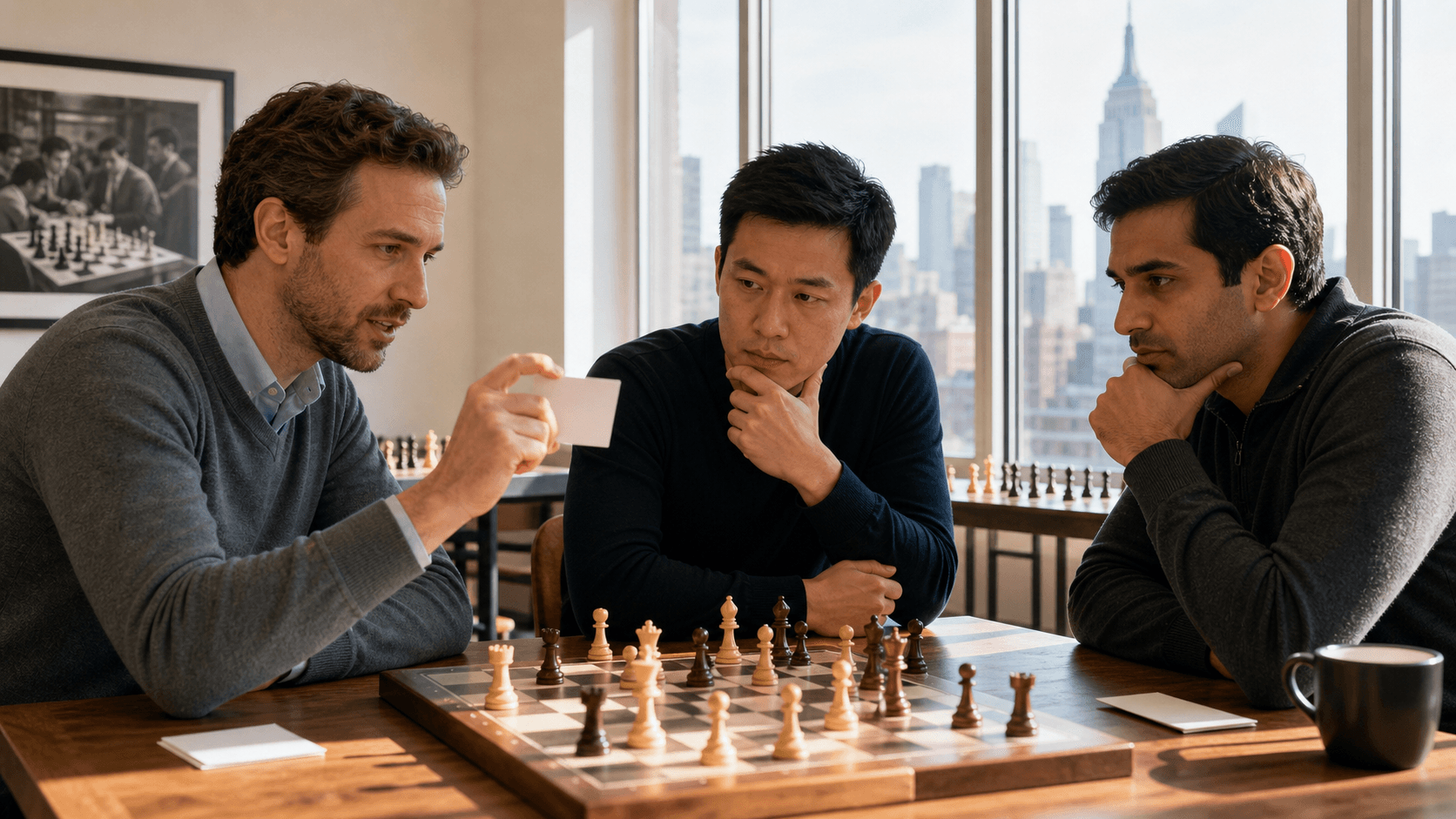
In group classes, private lessons, and sparring games, coaches often pause a position and do not give the move. They give a question. We might say, "Stop here, before you move. What is your opponent threatening?" or "Name three candidate moves before you choose one."
This style of teaching may feel slower at first, but families tell us they start to notice real changes:
- Students stay calmer in sharp positions
- Blunders in time trouble go down
- Ideas from class actually show up in weekend games
That last point is key. When a student learns through questions, they are not just copying a move, they are learning a way of thinking they can repeat from round one to the final round.
Core Thinking Questions We Drill in Class
To make this approach simple and concrete, we use a basic "thinking checklist" that fits on a small note card. We adjust it by level, but the heart of it stays the same:
- Safety check: "Is anything hanging or checkmated?"
- Threat check: "What is my opponent trying to do?"
- Improvement check: "Which of my pieces can improve right now?"
For beginners or younger students, we may spend most of the time on just the first two:
- Is my king safe?
- Are any of my pieces unprotected?
- What is my opponent's last move threatening?
As students grow and gain experience, we add more advanced layers:
- "What pawn break can change the position?"
- "Which side of the board should I play on?"
- "If I trade this piece, who benefits long term?"
In our Manhattan classes and our online lessons, you may see activities like:
- Annotated sparring games where students must say their guiding question out loud before every key move
- Homework positions where they write down both their chosen move and the main question that led them there
- Group review sessions where we praise a "good question" even more than a "good move"
Because we use the same question language across classes, camps, and training groups, coaches can give very fast feedback during live games. Instead of a long lecture, a coach might whisper between rounds, "You forgot your safety check on move 15" or "Great job asking about your worst piece in that rook ending." Students know exactly what that means.
Building a Question-Based Training Routine at Home
Families often ask how to support this style of thinking between lessons, without turning home into another classroom. The answer is short, regular routines built around a small set of questions.
A simple weekly structure that lines up with what our coaches recommend could look like this:
- One day: Solve a small set of positions using the checklist
- One day: Review a recent game from a school or club event
- One day: Play short practice games with a parent, sibling, or a training partner
Each of these days can be about 20 focused minutes. The key is that every move passes through the same questions used in class. Parents do not need to be strong players to help. Simple scripts work well:
- "What is your opponent attacking right now?"
- "Before you move, show me two other moves you thought about."
- "Which piece would you most like to improve?"
You can also bring in class materials. Use annotated games from handouts, homework positions from weekly lessons, or ideas from our camps, like the ones we run near Central Park and at our Central Park camp. If your child has an online training game they liked, you can replay it slowly and pause at big moments to ask, "What question should you ask here?"
The message we share in newsletters and in person is simple: consistency beats volume. Twenty minutes of quiet, question-based work will do more for tournament results than an hour of rushed online blitz with no reflection.
Using Question-Based Prep for Manhattan Chess Tournaments
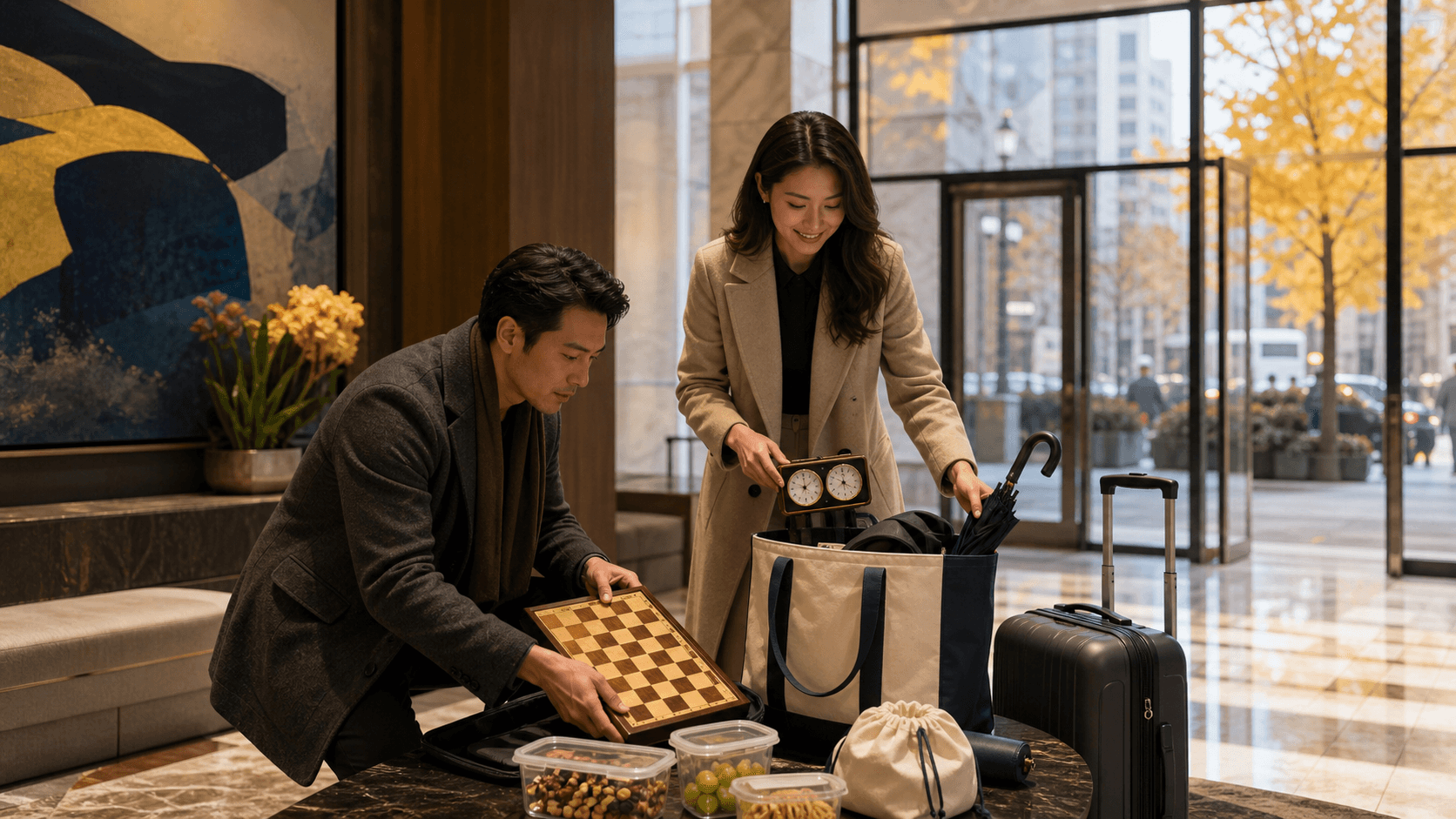
Manhattan chess tournaments can feel intense, especially during the school year when weekends are busy and students are juggling homework, activities, and travel. We want to help families treat tournaments at Hunter, local schools, community centers, and partner venues as "question practice labs," not pass or fail exams.
Here is a simple before-, during-, and after- plan that matches how we train students:
Before the event:
- Review the thinking checklist out loud together.
- Go through one recent annotated game from class or a past tournament game.
- Ask, "Which question do you forget most often?" and circle it.
During the event:
Between rounds, instead of talking only about the result, pick one critical moment and write down the question that would have helped. For example:
- "I did not ask what my opponent was threatening."
- "I forgot to look for my worst-placed piece."
- "I played too fast and skipped my safety check."
This keeps energy focused on learning, not just the score.
After the event:
Bring the scoresheets to a coach and review the games through the lens of questions. We want to find both the misses and the wins:
- Where did a student ask a strong question that led to a great move?
- Where did they skip a question and walk into a tactic?
- Which part of the checklist needs more practice this month?
Our camps, seasonal workshops, and Manhattan-based training groups rehearse these habits with clocks, pairings, and real tournament rules. We run simulation rounds where the only goal is to use the checklist on every turn. Many students find that when they treat each round as a chance to ask better questions, they feel more confident and resilient across the whole season of Manhattan chess tournaments.
Turn Upcoming Events Into Your Child's Next Breakthrough
The next step for families is very concrete. Pick one specific upcoming event, such as a Saturday Swiss at a Manhattan school, a Hunter tournament, or a partner event you already attend. Decide together that this tournament will be the "question tournament." The main goal will be to use the checklist every game, no matter the result.
At home, try tracking "best question of the game" after each round. It could be something like, "I finally asked what changed in the position and found a winning tactic," or, "I realized my knight was my worst piece and fixed it." Over time, these notes build a story of progress that is deeper than ratings alone.
Students can also speak with their coach about custom versions of the checklist that fit their rating and style. A newer player might have just three items. A more advanced competitor may add questions about pawn structure, time management, and opening choices. The point is that each child goes into their next event with a thinking plan, not just hope.
When training, classes, and tournaments all use the same question-based approach, every game in Manhattan becomes another chance to grow. With a clear checklist, regular home routines, and support from experienced coaches, players can turn nervous tournament weekends into steady steps toward long-term chess strength. If you want to try this right away, you can even set up practice events at home, using online sparring or friendly games, and treat them as "mini tournaments" that all center on asking better questions, move after move.
Join A Competitive Manhattan Chess Tournament Today
Ready to put your strategy to the test in a serious, well-organized event? At United States Chess Academy, we host Manhattan chess tournaments for players who want real competition and steady improvement. Whether you are sharpening your skills for the next rating jump or preparing for scholastic championships, our tournaments provide the structure and challenge you need. If you have questions about upcoming events or registration, simply contact us.