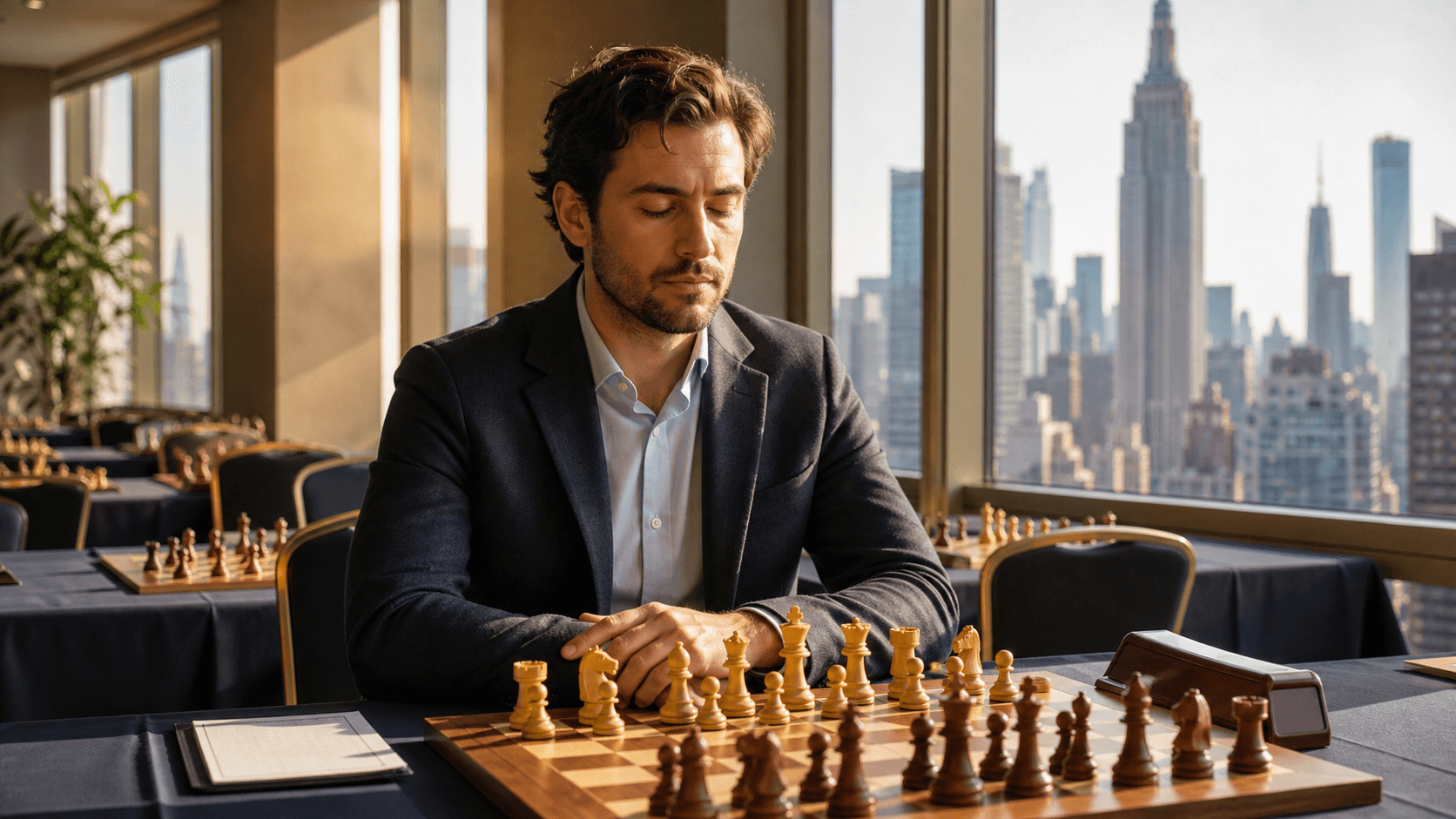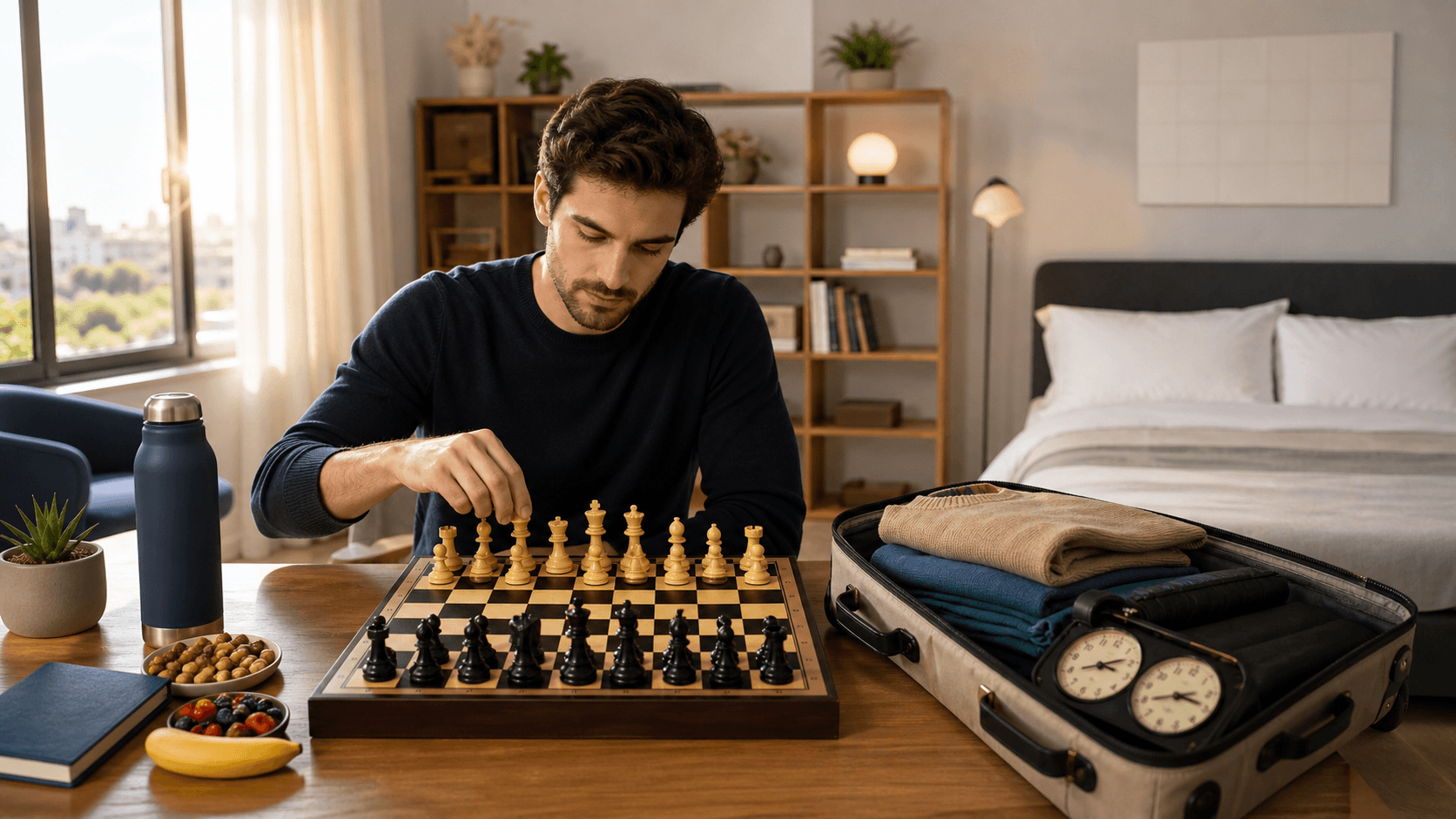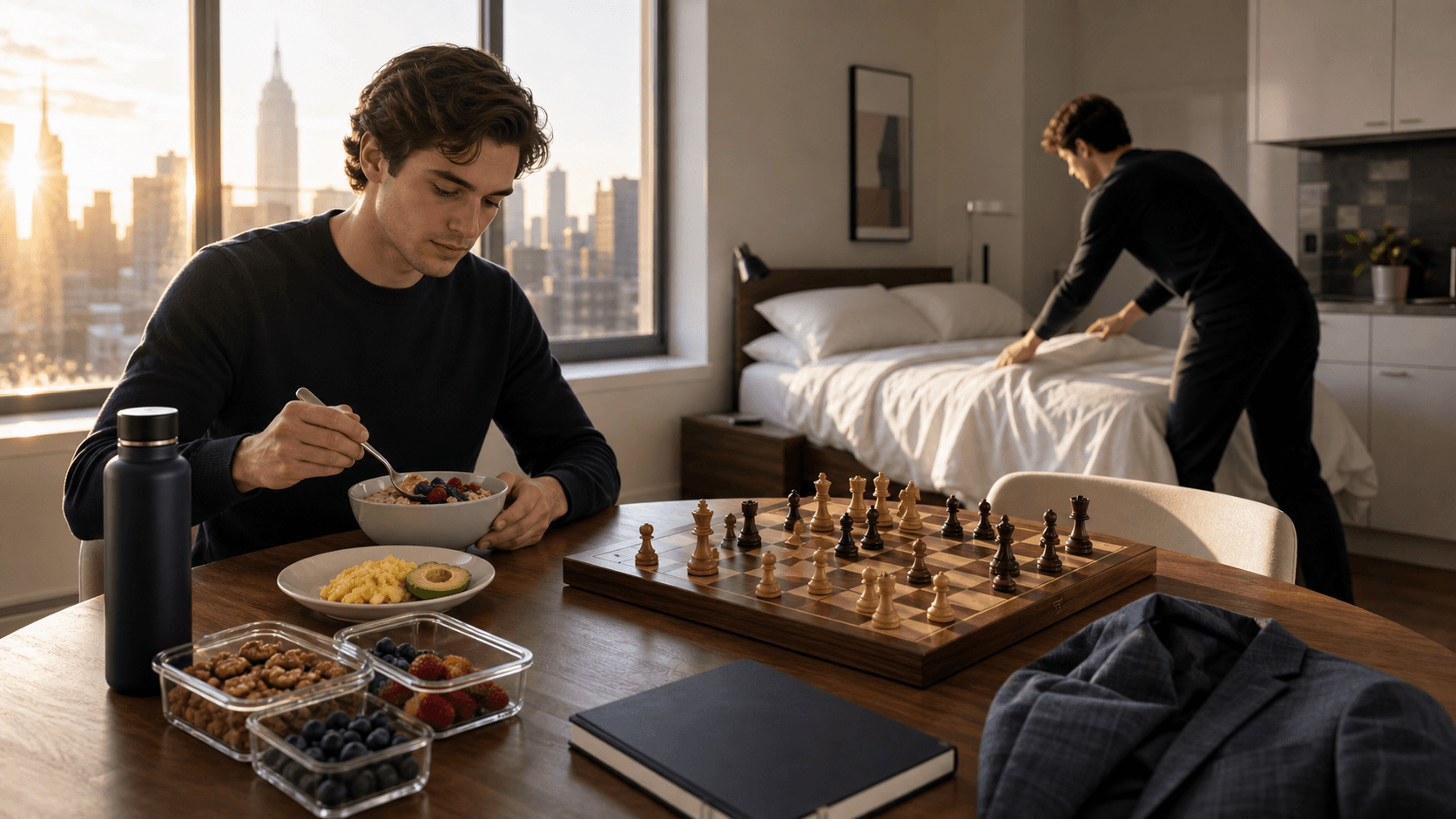
A calm, steady week before a big chess tournament can matter just as much as the opening your child chooses on move one. For many Manhattan families, that week is packed: school, after‑school activities, subway rides, homework, and then a full tournament day at Hunter, local scholastic events, or one of the weekend tournaments that are part of regular tournament chess training in NYC. When kids show up rested, fed, and mentally settled, they think more clearly and enjoy the experience more.
We see this every day in our classes. When nutrition, sleep, and schedule planning are in sync, kids stay focused longer, recover from setbacks faster, and feel more confident at the board. Here, we are sharing simple, realistic routines that parents can copy, tweak, and reuse during the five school days before a Saturday or Sunday tournament, matched with what our coaches are working on in lessons and newsletters right now.
Building a Calm, Confident Week Before the First Move
The week before a tournament is like a full chess game. Nutrition is your opening, sleep is your middlegame, and schedule planning is your endgame. If one part falls apart, the whole game gets harder.
For Manhattan families, that week often includes:
- Early alarms, crowded subway rides, and school bells
- After‑school chess classes or online lessons
- Homework, music or sports, and late dinners
So our goal is not perfection. Our goal is calm and predictable. From Monday to Friday, aim for:
- Mostly balanced meals and snacks
- Repeatable bedtime habits
- Short, focused chess review that fits into your current routine
We design our training games in class to mimic this rhythm, so kids get used to playing good moves even when they had a busy day.
Fueling Young Minds for Long Tournament Days
In our classes and in online lessons, we often run long training games. The kids who stay sharp in the last ten minutes usually had steady food and water all day, not just a huge sugary snack right before.
For the Monday to Friday before a tournament, try these simple guidelines.
Breakfast ideas that work before school:
- Oatmeal with fruit and a spoon of nut butter
- Whole‑grain toast with eggs or yogurt
- Leftover rice or quinoa with cheese and veggies
Quick, subway‑friendly options:
- Banana or apple plus a cheese stick or yogurt tube
- Peanut butter sandwich on whole‑grain bread
- Trail mix with nuts and dried fruit (light on the candy pieces)
School snack tips:
- Focus on slow‑burn carbs like whole‑grain crackers, fruit, or granola bars
- Add some protein such as cheese, nuts, hummus, or yogurt
- Skip big candy bags or super sweet drinks that can lead to a crash mid‑round
Easy weeknight dinners before a tournament:
- Rice or pasta with chicken or beans and a side of veggies
- Tacos or wraps with protein and salad inside
- Soup, whole‑grain bread, and fruit
Tournament Lunch Box Formula for kids who prefer to bring food:
- 1 main: sandwich, pasta salad, or rice with chicken or tofu
- 1 fruit: sliced apple, berries, grapes, or clementines
- 1 crunch: pretzels, popcorn, or whole‑grain crackers
- 1 protein boost: nuts, cheese, yogurt, or hummus
- 1 drink: water bottle, maybe milk, skip super sugary sodas
This works for Hunter tournaments, Manhattan scholastics, and our weekend events. If you're choosing which dates to build your meal-and-snack plan around, the Little House of Chess tournament calendar is a helpful place to see what's coming up and avoid last-minute morning chaos. Pack it the night before so you are not grabbing random bodega snacks on the way to the subway.
Sleep Routines That Survive NYC Schedules
Coaches notice when kids are tired. In late afternoon classes, we see more blunders in winning positions, slower calculation, and more frustration. One early night on Friday does not fix a whole week of short sleep. What helps most is a steady bedtime routine from Monday onward.
A helpful overview of kid sleep habits from Seattle Children's guidance on sleep routines lines up with what we see at the board: kids think better when their brains get the same signal every night that it is time to wind down.
A realistic NYC chess kid evening, Monday to Friday:
- After school or after class: snack and movement, even 10 minutes of walking or stretching
- Homework block: 30 to 60 minutes, depending on age
- Chess focus: 15 to 20 minutes of puzzles or reviewing class notes
- Screen‑down time: at least 30 minutes before bed, no intense games or videos
- Calming ritual: shower, reading, light stretching, or quiet music
General bedtime targets:
- Elementary: aim for lights out between 8:00 and 9:00 p.m.
- Middle school: aim for 9:00 to 10:00 p.m.
If your child has late activities like music, religious school, or sports:
- Pick three "priority nights" that week to guard bedtime more tightly
- Shorten weekday chess practice to 10 minutes on very busy days
- Use subway rides for light review instead of heavy screen use to keep their brain from getting wired before bed
The goal is a pattern their body recognizes. The more consistent the week, the less stressed their brain feels on tournament morning. If your child is playing in the Hunter circuit, it also helps to bookmark the NSCF NY & CT scholastic tournament schedule so you can protect sleep on the right weeks instead of guessing.
Smart School Week Planning Around Tournaments
Backward planning helps the whole week feel smoother. Start from tournament day, then work back to Monday.
First, think about Saturday or Sunday:
- Morning: wake up, breakfast, commute, check‑in
- During the event: 3 to 5 rounds, lunch, breaks between games
- After: quick review and rest
Now plan the school week:
Monday to Wednesday:
- Normal homework load
- 15 to 20 minutes of chess: class homework, newsletter puzzles, or a short tactics set
- Regular bedtime routine
Thursday:
- Ask teachers early in the week if Friday homework can be lighter when there is a big tournament
- Keep after‑school activities shorter if you can
- Use the subway home to talk about goals for the event or to do mental puzzles like "What checks do you see?"
Friday:
- Keep homework simple, maybe just reading
- Pack school bag and tournament bag at the same time:
- Scoresheets and pencil
- Water bottle and lunch box
- Light jacket or sweater for cold rooms
- Keep chess work light: review openings or endgame patterns that match what we are doing in class, no long serious games
Here is how that might look for different ages.
Elementary sample:
- 7:00: Wake up, breakfast
- School day
- 3:00, 4:00: After‑school or camp-day style outdoor time when in season
- 4:30, 5:15: Homework
- 5:15, 5:30: Chess puzzles or coach‑assigned review
- 5:30, 7:30: Dinner and free time
- 7:30, 8:00: Screen‑down, reading
- 8:00, 8:30: Bedtime routine, lights out
Middle school sample:
- 6:30, 7:00: Wake up, breakfast
- School day
- 3:30, 5:00: Clubs, sports, or chess class
- 5:30, 6:30: Homework
- 6:30, 6:50: Focused chess practice, maybe working through what we trained in class
- 7:00, 8:30: Dinner and downtime
- 8:30, 9:30: Calm screen‑free time and bed
Throughout the week, you can use commute time for:
- Naming one goal for next game
- Quick "spot the tactic" questions
- Light discussion of tournament plans, like how to handle nerves
Parent + Kid Routine Templates for Pre‑tournament Week
Here are three plug‑and‑play Monday to Friday flows you can adjust for your family.
Busy Midtown family
- Morning: Fast breakfast, fruit plus protein, then subway to school
- After school: Two days of chess class and one day of another activity
- Evening:
- On class days, let the class be the main chess work, with 5 to 10 minutes of review at home
- On non‑class days, do 15 minutes of tactics or newsletter puzzles
- Keep bedtime the same every night
Downtown walker
- Morning: Short walk to school, breakfast at home
- After school: Walk home or to a quiet spot, snack, and then chess homework sheets
- Evening:
- Early dinner
- Light review of openings or endgames we are focusing on that week
- Screen‑down time and reading before bed
Outer‑borough commuter coming into NYC for tournaments
- Morning: Breakfast at home, pack snack for longer transit
- After school: Commute home, use train time for talking through simple chess ideas or doing a few written puzzles
- Evening:
- Short homework block
- 10 to 15 minutes of planned practice material you have ready, like printed sheets or saved puzzles
- Bedtime routine timed to match early wake‑up on tournament day
Across all three:
- Use our newsletter puzzles as low‑pressure brain warm‑ups
- Taper chess intensity on Friday, focus on confidence and review rather than new theory
- Add tiny mindset habits:
- One‑sentence goal at breakfast, like "Today I will take my time before I move."
- Post‑class reflection question, like "What is one position I want to remember?"
- Two‑minute reset: slow breaths in and out, notice feet on the ground, relax shoulders, something kids can practice at home and then use between rounds
Turning One Good Week Into a Tournament-Ready Habit
Treat this pre‑tournament week as a template you can return to whenever there is a new event, whether it is at Hunter, another Manhattan scholastic, a city camp, or one of our own USCA tournaments. Over time, the pattern itself becomes comforting for kids, because their body and mind know what is coming.
After the event, talk with your child:
- How did you feel in round one compared to the last round?
- Did you feel hungry or sleepy at any point?
- Which part of the week helped you feel most ready?
Adjust one thing at a time for the next event, maybe bedtime, snack choices, or when you fit in puzzles. And if you want a strong non-school Manhattan option on your calendar, you can scan the Marshall Chess Club upcoming tournaments and use the same five-day routine to get your child ready. Little by little, you and your child build a shared routine that supports stronger chess and a calmer experience during tournament chess training in NYC.
Advance Your Child's Competitive Edge In Chess Tournaments
If your young player is ready to move beyond casual games and start earning real results, our tournament chess training in NYC is built to guide them every step of the way. At United States Chess Academy, we focus on practical skills for real tournament conditions so students learn to think clearly under pressure and convert advantages into wins. We tailor each training plan to your child's current level and goals, helping them prepare strategically for upcoming events. Have questions or want to discuss the right program for your child's needs? Simply contact us to get started.