Turn Tournament Morning Into a Winning Routine
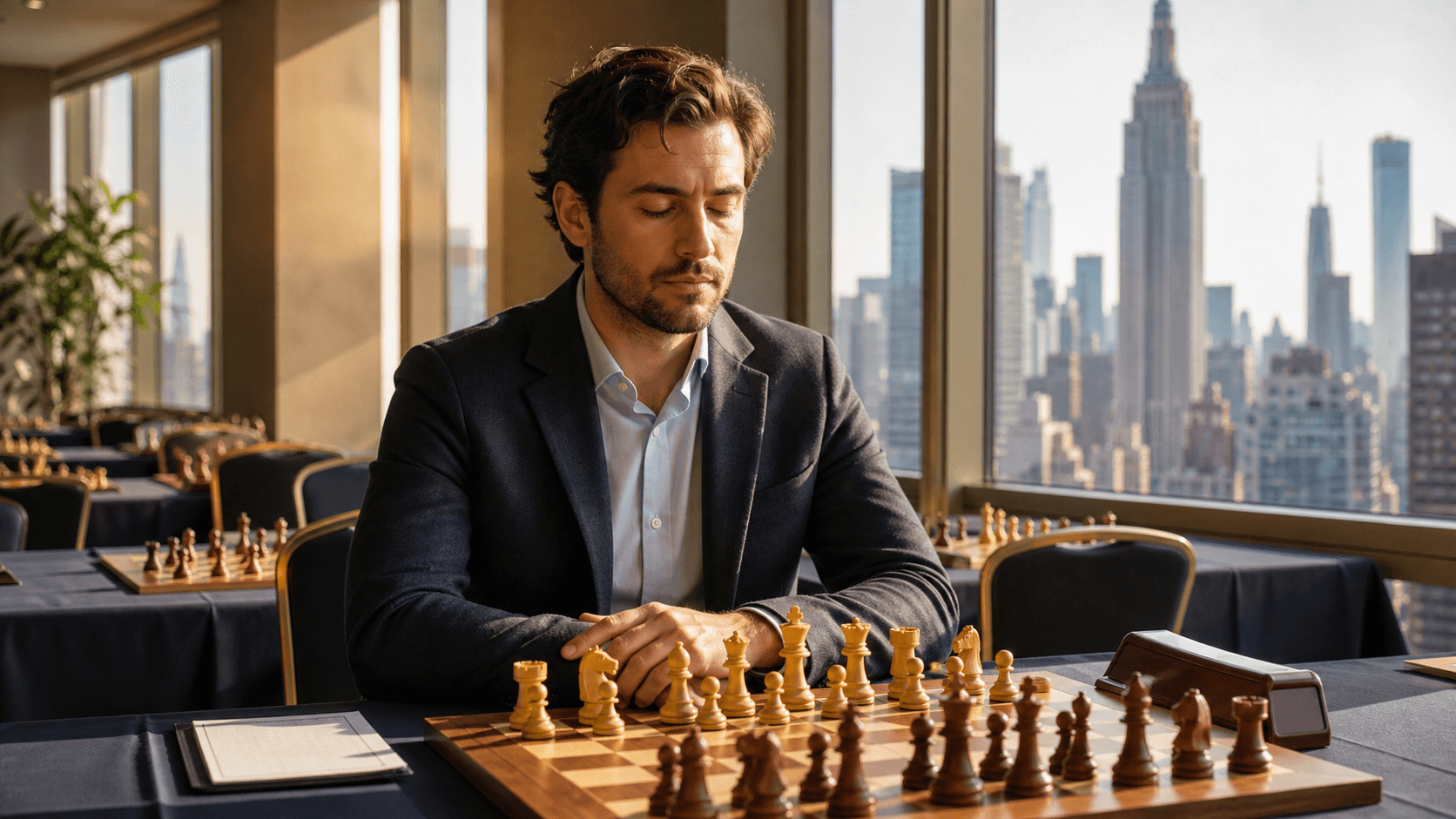
A scholastic chess tournament in New York City is a big day. Early alarms, trains or cars into Manhattan, crowded halls at places like Hunter or at other school events, and new opponents your child has never seen before. It is exciting, but it can also be tiring and confusing, especially for newer players coming from our United States Chess Academy classes.
This season, many of our students are preparing for upcoming NYC scholastic events, including our next Hunter tournament and the fall Manhattan scholastic series that we've been highlighting in our recent newsletters. The part that often gets skipped is everything that happens before the first move. Sleep, breakfast, packing, and simple communication plans decide whether kids can actually use what they study during our lessons. Our goal is to help families turn the calm routines we practice in class into a clear game-day plan, so your child walks into any NYC event feeling ready instead of overwhelmed.
Sleep Habits That Protect All That Chess Study
Good sleep is like an extra coach. When kids sleep well, they think more clearly, remember their openings, and spot tactics instead of blundering in a winning position. When they are tired from late-night blitz or last-minute cram sessions, all that careful study work from class is harder to access.
In the weeks leading up to our upcoming tournaments that we've listed in our newsletter calendar, we encourage families to treat tournament week like a small training camp at home. A simple approach:
- Start earlier bedtimes, 3 or 4 nights before the event
- Aim for the same bedtime each night, not just the night before
- Cut off screens at least 45 minutes before bed
- Keep chess work light in the evening, not heavy analysis
You can mirror a calm pre-sleep routine that feels similar to the wind‑down rhythm we've been practicing in our current classes:
- Short activity: 5 to 10 minutes of light tactics or reviewing one game from recent class or homework.
- Pack-up: Help your child put scoresheets, pencils, and other gear into their bag for the specific event they're playing this weekend.
- Plan: Say the plan out loud, for example: "We leave at 7:30, we meet the coach by the team table before Round 1."
- Wind down: Reading, stretching, or quiet music. No new openings, no late-night rapid games.
When kids see that chess study ends early and calmly, their brain gets the message: now it is time to rest so we can play well tomorrow. If you want a simple way to plan sleep and prep around real NYC dates (including Hunter-style scholastic events), check the Little House of Chess tournament calendar and build your routine backward from the posted start times.
Tournament-Day Breakfasts That Actually Work
Breakfast matters more than one last opening video. A steady, balanced meal helps your child stay focused during long rounds, long waits for pairings, and crowded hallways. In our current classes, we've been talking about "fueling like an athlete" before the upcoming Hunter tournament and other fall events, because the brain needs energy just like the body.
For NYC families rushing to events in Manhattan or the boroughs, keep it simple and realistic. Aim for a mix of protein, slow carbs, and some healthy fat:
- Yogurt with fruit and a sprinkle of cereal or granola
- Oatmeal with banana or berries
- Egg sandwich on whole-grain bread
- Nut butter on toast with a piece of fruit
Try to limit:
- Very heavy, greasy foods that can make kids sleepy
- Tons of sugar, like pastries stacked with frosting
- Chugging large cups of juice instead of water
Timing helps too. If possible, have breakfast about 60 to 90 minutes before Round 1. Bring a water bottle and small snacks so they can refuel between rounds instead of waiting until they are starving later in the day. This is the same idea we use in our camps, including outdoor sessions like our Central Park Camp, where we remind kids that smart food choices keep their thinking sharp all day. We will be reinforcing these habits in the week of classes leading into each highlighted tournament so that tournament mornings feel familiar.
Pack Like a Pro: A NYC Scholastic Chess Checklist
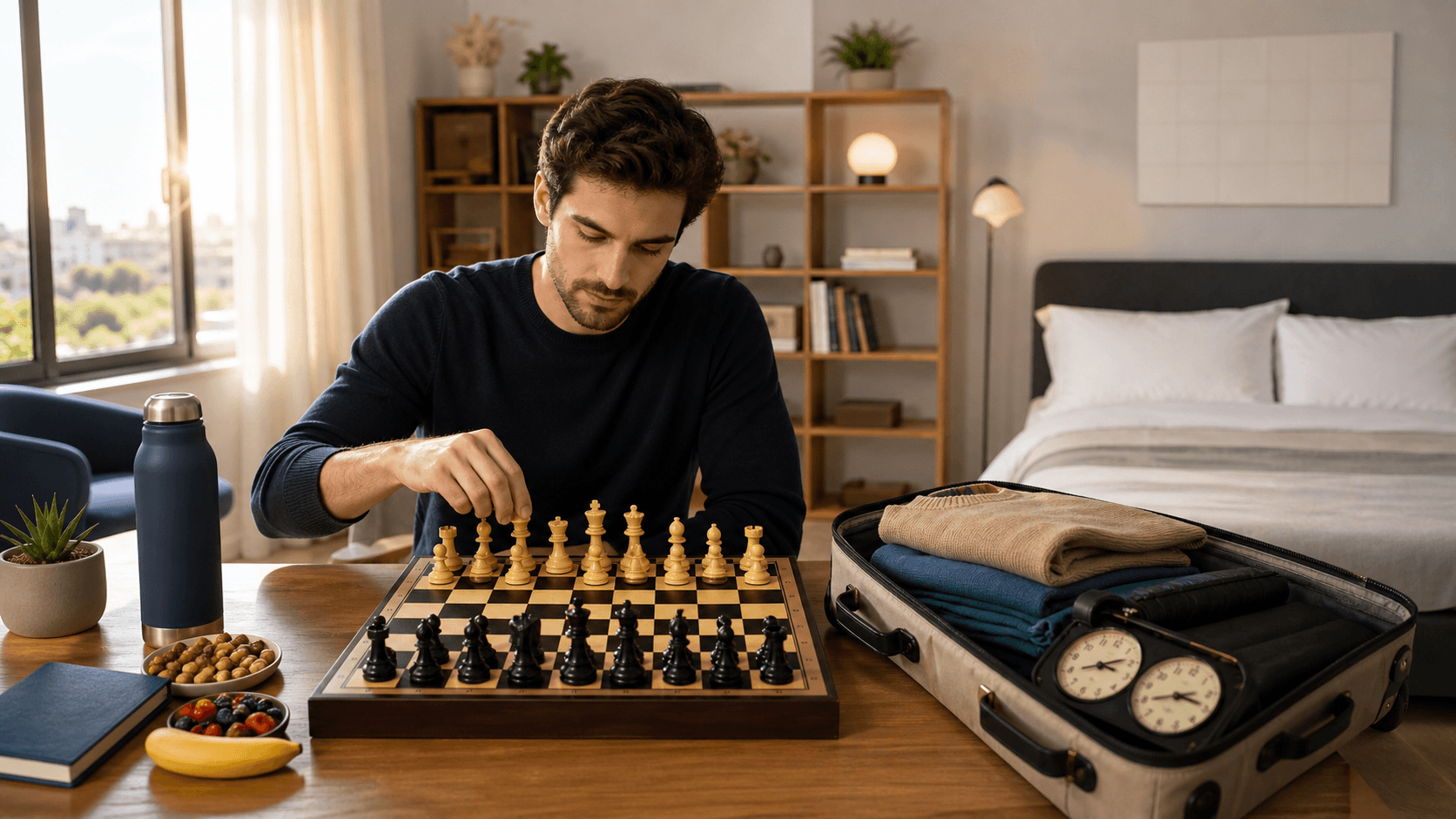
Packing well turns the morning from chaos into a calm routine. When kids know everything is in their bag, they can focus on their games instead of worrying about a missing pencil.
Here is a simple NYC tournament checklist that matches what we use in our classes and in the pre‑event checklists we share in our newsletters for each upcoming tournament:
- Chess gear: scoresheets, several pencils, and a notation book if they use one
- Comfort: light jacket or hoodie, since playing halls are often cold
- Food and drink: labeled water bottle and a quiet, not-messy snack like crackers or a granola bar
- Extras: small hand sanitizer, tissues
For the city side of things, add:
- MetroCard or train ticket, if you are using public transit
- Phone charger for parents
- Comfortable walking shoes
- A small, clearly labeled backpack your child can carry themselves
Turn this into a night-before packing ritual before each event on our current tournament calendar:
- The child does the first round of packing, naming each item.
- The parent checks, then adds transportation cards or tickets.
- Together, review the next-day schedule: when you leave, which building or school, about what time rounds usually start and end, and who from our coaching team they should look for.
This habit makes tournaments at places like Hunter or other Manhattan scholastic events feel like an extension of class, not a strange separate world.
Between-Round Routines That Keep Kids Focused
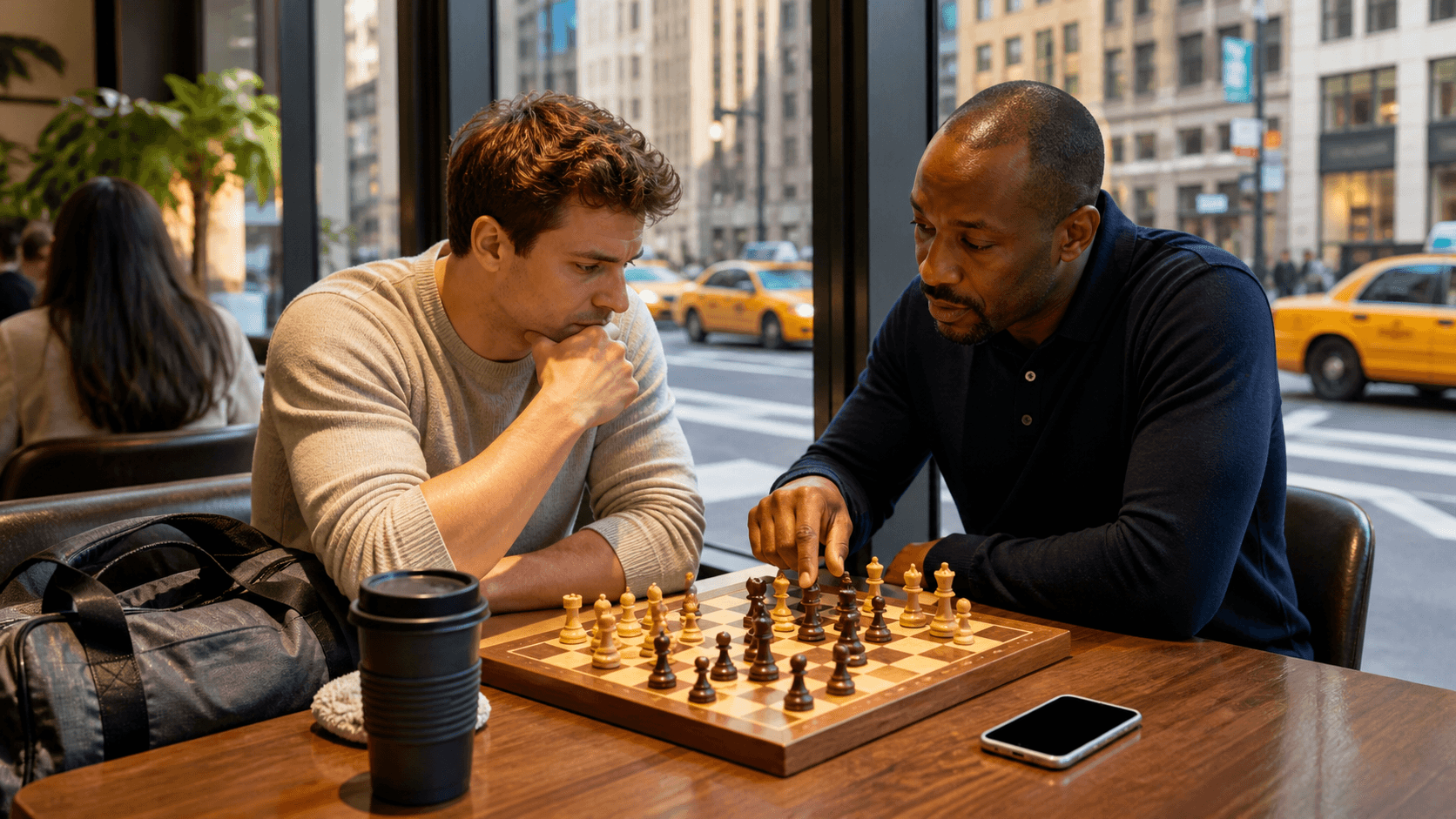
What kids do between rounds often decides how they finish the day. Wandering the halls for an hour, playing endless blitz on the floor, or scrolling on a phone can leave them tired and scattered by the last round.
For the upcoming events we're attending as a team, we recommend a simple between-round template that matches how we work after games in United States Chess Academy lessons and online sessions:
- Short review: If a coach is there, do a quick debrief. If not, have your child show 3 key moments on the scoresheet.
- Refuel: Drink water and eat a small snack, not a huge meal.
- Move: Take a short walk, stretch, or step outside for a few minutes if allowed.
- Reset: Quiet rest, a book, or light tactics. Skip heavy opening study or long rapid games.
To manage nerves, we often practice simple breathing in class. One version you can use on tournament day:
- Breathe in through the nose for 4 seconds
- Hold for 4 seconds
- Breathe out gently through the mouth for 4 seconds
- Repeat 4 times
In the days before each highlighted tournament, we'll be rehearsing this routine with students so they know exactly what to do between rounds when they see our team table.
Parents can help by steering the talk away from "What if I lose?" and toward simple plans: "What opening will you choose? What is your goal for focus this round?" When kids know where our team table or coaches are located, whether at a big Manhattan event or a smaller school tournament on our current schedule, they also feel less alone.
Clear Communication Between Parents, Players, and Coaches
Good communication takes the pressure off everyone. Before you even leave home for one of the tournaments on our newsletter calendar, agree on a simple plan:
- Who is responsible for arriving early and checking pairings?
- Where will you meet after each round, for example, the team table or a certain hallway spot?
- When should your child look for United States Chess Academy coaches, such as before Round 1 or right after a game ends?
Our coaching team is there to support the work kids do at home and in class. That usually means:
- Short pre-round reminders about basics like time management and staying calm
- Brief post-game feedback that focuses on one or two ideas
- Knowing when to send a child to rest instead of going move by move through a very long game
Families can also create a simple game-day agreement. For example:
- Results talk: focus on effort, smart decisions, and lessons, not only on wins or rating.
- Rounds: decide in advance that, unless something serious happens, the child plays all rounds. This avoids emotional decisions after one tough loss.
- Questions: write down interesting positions or questions during the day, then bring them to the next lesson or training session to go deeper with a coach.
When everyone knows the plan, tournaments at Hunter, in Manhattan, or around the city feel more organized and less stressful, and they line up with the routines we are practicing together in our current classes. And for families looking to add a strong non-school Manhattan option to the calendar, it's worth scanning the Marshall Chess Club upcoming tournaments so you can plan arrival times, food breaks, and between-round expectations.
Turn Every NYC Event Into a Learning Season
The biggest shift we want families to make is this: treat every scholastic event as a moving classroom. The same habits we build in United States Chess Academy lessons, camps, and ongoing training programs can show up at the board: steady sleep, smart breakfast, good packing, and clear communication.
After each tournament on this season's schedule, set aside a short time for a home "post-game." Together, you can:
- Organize scoresheets in a folder or notebook
- Mark 1 or 2 key positions to show a coach in the next class or online lesson
- Talk about what worked well with sleep, food, packing, and between-round routines
- Decide one small thing to adjust before the next NYC event we're preparing for as a community
When families do this consistently, kids stop seeing tournaments as scary one-day tests. They start to see them as part of a longer chess season, connected to what we're doing right now in class and in our newsletter challenges, where every game and every event helps them grow. If your family is specifically tracking the Hunter circuit, you can also bookmark the NSCF NY & CT tournament schedule so you're not scrambling the week of the event.
Turn Your Chess Curiosity Into Lasting Skill
If you are ready to build real confidence over the board, our coaches at United States Chess Academy are here to guide you every step of the way. Explore our personalized lessons and structured programs to study chess in a focused, results-driven way. We tailor each session to your goals so you can track your progress and enjoy every improvement. Have questions about the best path for you or your child? Just contact us and we will help you get started.