When Online Puzzles Stop Helping Your Child Improve
Online chess puzzles can be helpful, but they are not a full training plan. Many kids spend long stretches solving problem after problem on a phone or tablet, yet their real rating barely moves. Parents see the effort, but then watch the same blunders appear once the clock starts in a real game. That gap between screen success and tournament results is what we want to talk about.
Tactics puzzles do train some useful skills. They help with:
- Spotting basic checkmates
- Recognizing common tactical ideas like pins, forks, and skewers
- Calculating short forcing lines a few moves deep
This feels good in the moment. The app says "correct," the rating rises, and your child feels smart. But puzzles are isolated snapshots. There is no opening, no long endgame, no clock trouble, no nervous opponent staring from across the board. The positions already tell your child that a trick exists, which is very different from a real game where the hardest part is noticing that something is possible at all. Openings, endgames, time management, and long-term planning rarely show up in most puzzle apps, yet they decide many tournament games, especially once school clubs and local events restart in the fall.
The Hidden Limits of Puzzle-Only Chess Training
When training is only puzzles, progress often hits a wall. Many apps reward speed and repetition rather than true understanding. Kids quickly learn to game the system:
- Guess a move; if it is wrong, try the next forcing move
- Memorize repeated positions instead of thinking them through
- Race the clock instead of building a clear thought process
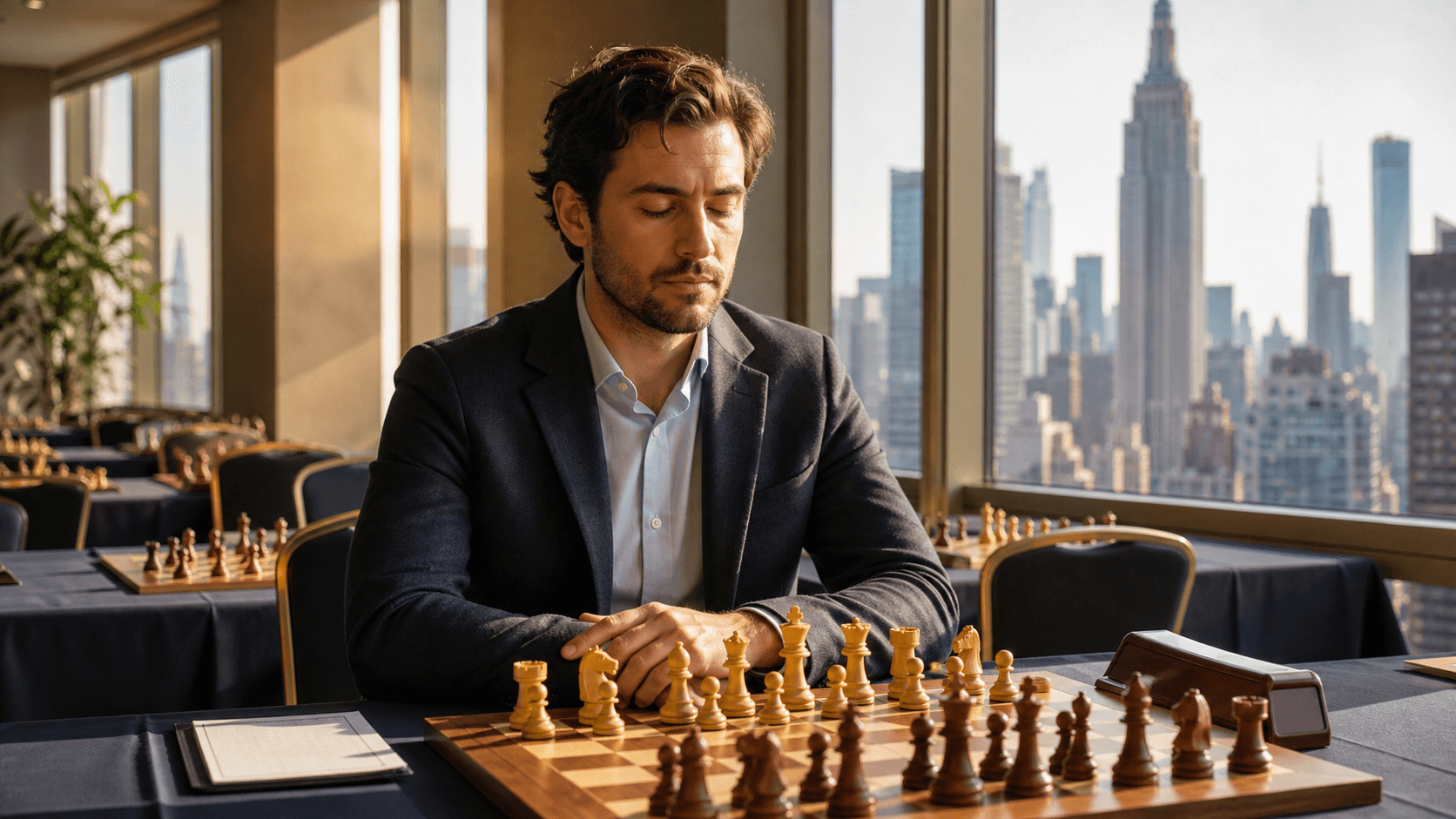
This can raise an online tactics rating but does not always carry over when they sit down at a real board in a school or Manhattan weekend tournament. In a puzzle, your child already knows that there is a winning idea. In a real game, there is no hint. Sometimes nothing special is happening, and the right plan is quiet, safe development. Other times, a single missed tactic can lose everything. Learning to sense danger and opportunity without being told "there is a puzzle here" is a different skill.
There are emotional downsides too. Constant puzzle grinding can:
- Create anxiety when real games do not match app ratings
- Lead to boredom, since many puzzles start to feel the same
- Build false confidence, so early tournament losses feel extra painful
After a long stretch of screen training, some kids even start to think they are bad at "real chess" because their puzzle strength does not show on the board. What is missing is a bridge between tactics practice and full-game understanding.
Why Structured Chess Classes Build Real Tournament Skills
This is where structured chess classes change the story. A good class gives your child what an app cannot:
- A clear, step-by-step curriculum
- Live explanations that match their exact level
- Personalized feedback on both strengths and weak spots
Instead of random puzzles, strong coaches group positions by theme. They show how a tactic fits into an opening idea, a middlegame plan, or a typical endgame. Your child starts to see patterns not just in one position, but across whole games.
For example, a coach might:
- Start with a simple puzzle on a weak back rank
- Show a model game where this same idea appears from a common opening
- Have students play short training games that reach similar positions
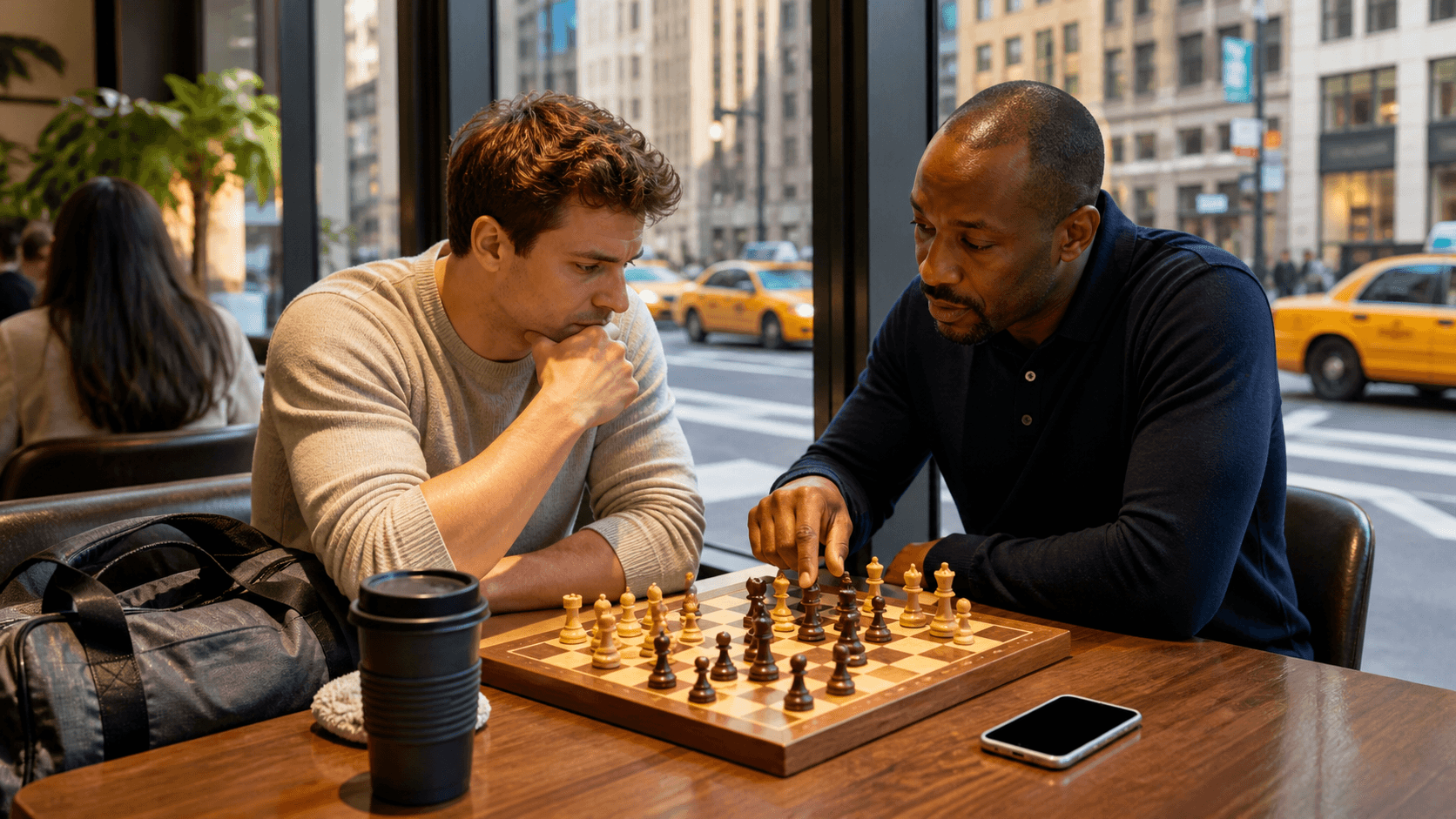
- Review those games, pointing out where the same tactical chance was missed or found
Suddenly, tactics are not floating tricks. They are tools inside a larger plan. This is what consistent chess classes do best: they turn puzzle knowledge into stable tournament performance, especially as the competitive season picks up and your child begins to face stronger players at school clubs and local events like Hunter or other weekend tournaments in the city.
If your child has been working with puzzles for months, this does not go to waste. A good coach will use that base as a springboard, then connect it to everything puzzles usually skip, like practical openings and realistic endgames.
The Coaching Advantage: Humans Beat Algorithms
Algorithms can grade moves. Human coaches can read minds, at least a little. A titled coach pays close attention to how your child thinks, not just what moves they choose. During a lesson or analysis session, a coach can ask:
- Why did you pick this move?
- What was your plan in this position?
- What were you worried your opponent might do?
These questions uncover habits that no puzzle app can see. Maybe your child plays too fast when they feel nervous. Maybe they avoid complications even when attacking is correct. Maybe they rely on cheap tricks instead of solid development. A coach can spot these patterns across many games, then design training that targets them directly.
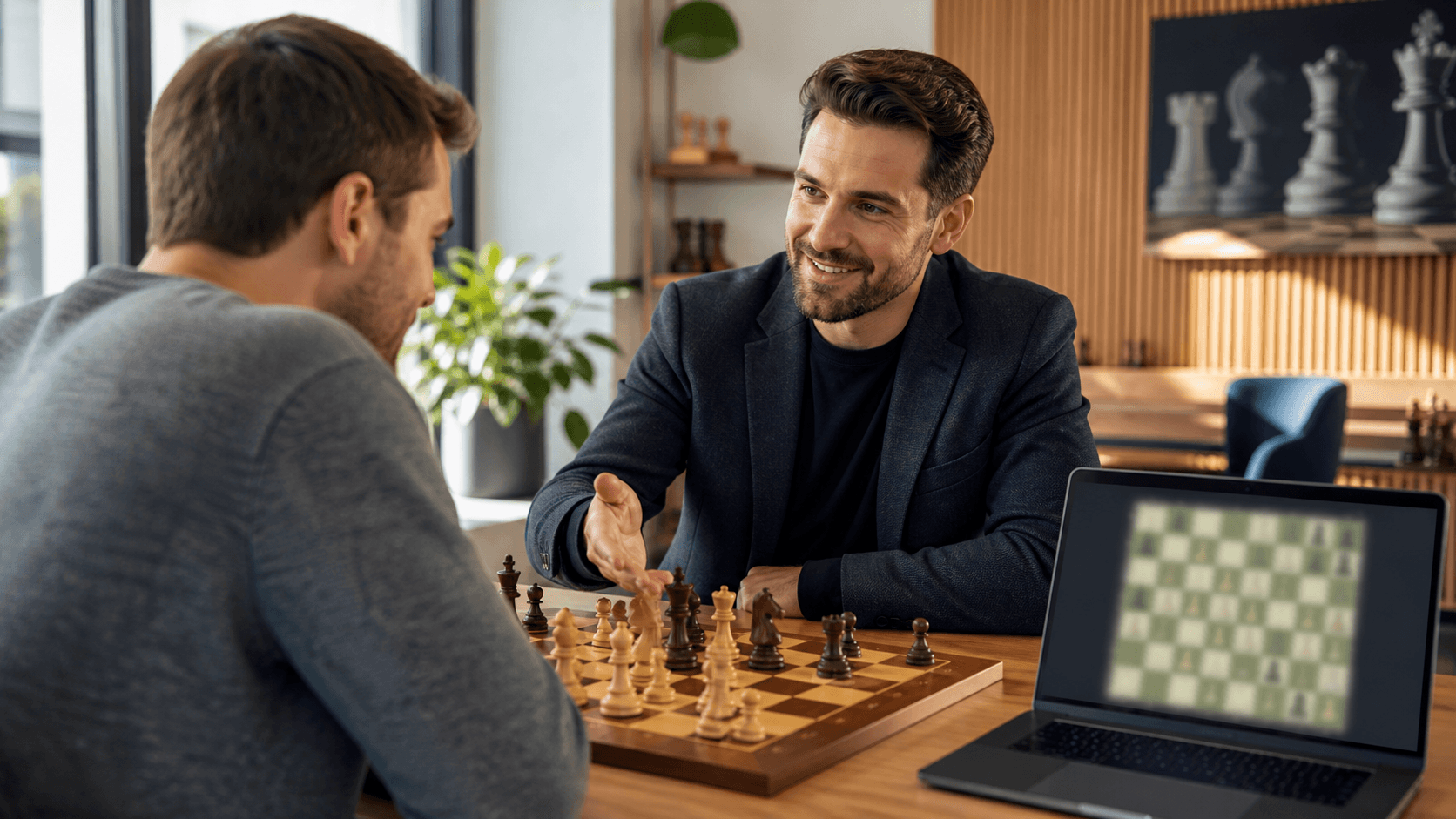
Another difference is flexibility. If your child looks confused, a coach can pause, draw arrows on the board, tell a simple story about the pieces, or switch to an easier example. If your child is yawning, the coach can introduce a sharp attacking game, a surprise mini-tournament, or a fun challenge to bring the energy back. This kind of live adjustment is very important, especially for kids who have already spent much of the summer staring at screens.
Whether lessons happen in person or in structured online chess classes, the human element is what turns scattered knowledge into a confident, repeatable game routine.
From Summer Puzzles to Fall Performance Breakthrough
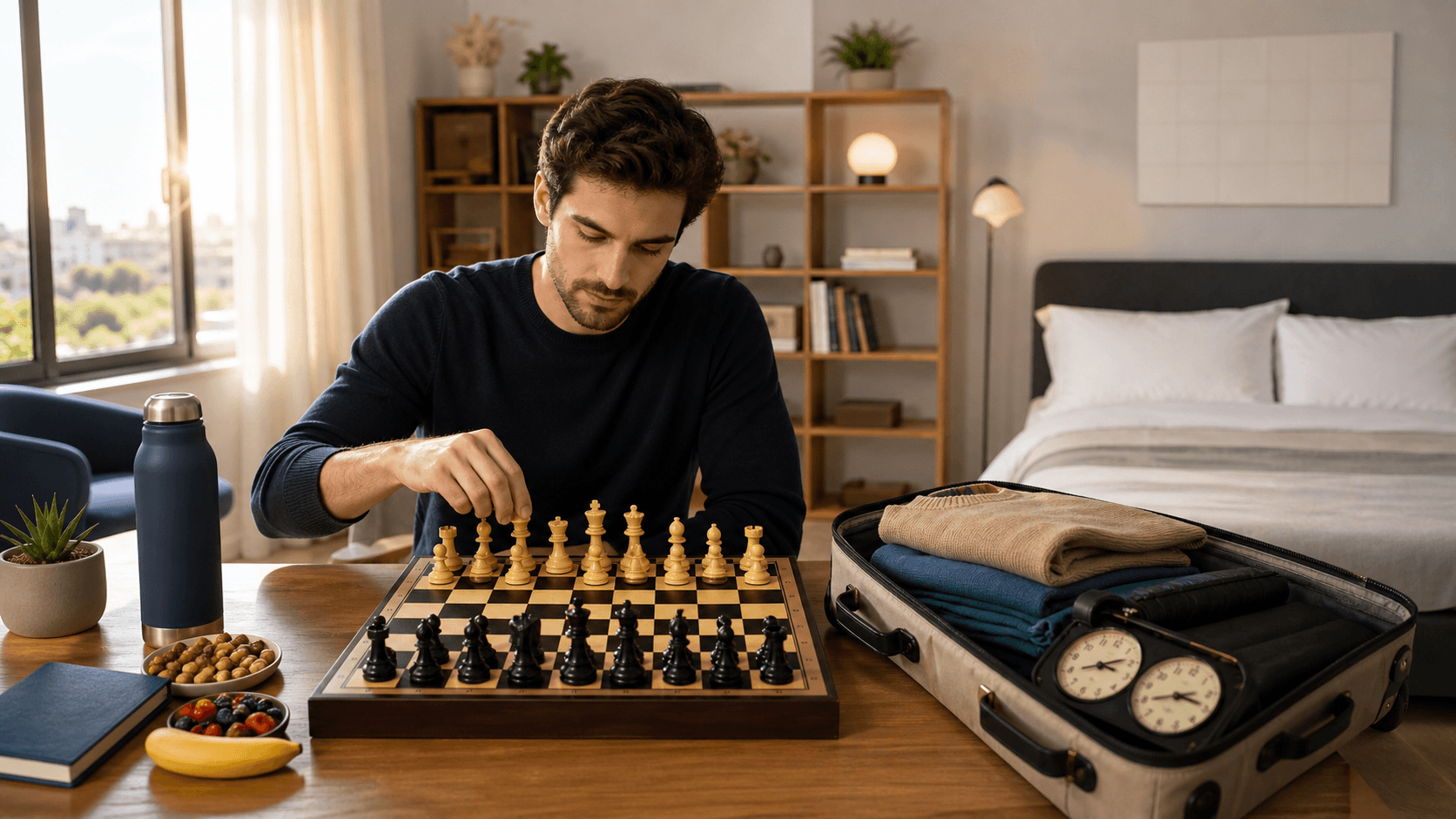
Late summer is often when families start to think about the next step. School clubs will open, fall tournaments will appear on calendars, and kids who have been casually solving puzzles may want to take things more seriously. This timing is perfect for moving from puzzle-only training into guided chess classes.
A strong program will:
- Review the tactics your child already knows from apps
- Show how those ideas appear in real opening lines and typical middlegame structures
- Use training games and analysis to connect puzzle thinking to long-term plans
For example, if your child is great at knight forks in puzzles, a coach might:
- Show openings where knights jump to strong outposts
- Highlight moments in actual games where a fork was possible but unseen
- Give homework games to practice spotting these chances under time pressure
With a few months of guided work, kids often feel a clear difference. Their moves become more purposeful, their clocks are managed better, and they are less shocked by tricky tactics because they know the underlying patterns. Well-timed chess classes give enough runway for that change to appear by the time big school events and local weekend tournaments arrive in October and November.
Some programs even blend over-the-board practice with training events, similar in feel to strong city events like those held in Manhattan. Short practice tournaments, coach-reviewed games, and clear homework create a loop of learning that puzzle apps alone just cannot match.
Inside an Elite Chess Class at United States Chess Academy
At United States Chess Academy in Manhattan, we focus on turning effort into real, over-the-board strength for both kids and adults. Our grandmasters and titled coaches work in small groups and one-on-one settings, both in person and online, so students can learn in a focused, supportive space.
A typical class might include:
- A guided lesson on a key topic, like a simple opening setup or a classic tactical theme
- Interactive examples where students suggest moves and explain their ideas out loud
- Supervised practice games, either on real boards in the classroom or online under a coach's eye
- Post-game analysis that links back to what students have been trying to learn from puzzles
When we see that a student has been doing a lot of puzzle work, we use that as a strength. For instance, if they know many checkmate patterns, we might:
- Give them opening ideas that lead to those attacking chances
- Show how to improve their worst piece first, so the tactic appears naturally
- Practice simple endgames so they are calm when the attack does not work and a longer game appears
For students who enjoy active settings, seasonal programs like our Central Park camps mix structured lessons with fresh air and live games. For those outside New York, our online options allow the same level of serious training from home.
Across all formats, the focus stays the same: build tournament-ready skills. That means:
- A reliable opening repertoire that fits your child's style
- Solid endgame basics so they can convert good positions and save bad ones
- Strong calculation habits, not just guessing in tactics
- Confidence sitting at a real board, facing a real opponent, under a real clock
When puzzle practice is combined with this kind of structure, kids start to feel that their hard work finally "shows up" on the crosstable.
Turning Screen Effort Into Real Chess Confidence
Online puzzles are not the enemy. They are a tool, and for many young players, they are the first sign that chess can be fun and challenging. The problem comes when they are treated as the whole training plan rather than one piece of it. Without guidance, kids can spin their wheels for months, getting stronger at the app but not much closer to where they want to be in real games.
By adding structured chess classes with strong human coaches, families can help children connect all the dots. The tactics they learned from apps become part of a full game plan. Opening choices make sense. Endgames feel less scary. Results in events, from school club matches to serious city tournaments, start to match the work they have put in.
When screen time and real-board study work together, your child does not just solve positions. They start to think like a chess player, game after game. And that is when the real improvement begins, not only in tactics, but in confidence, focus, and love for the game itself.
Build Strategic Confidence With Expert Chess Coaching
If you are ready to see real improvement on the board, our structured chess classes give you clear guidance at every step. At United States Chess Academy, we focus on practical skills that help you think deeper, calculate better, and stay confident under pressure. Whether you are a beginner or a competitive player, we will match you with the right training path to reach your goals. Have questions about which program fits you best? Just contact us and we will help you get started.