Build Confidence Before Your First NYC Rated Event
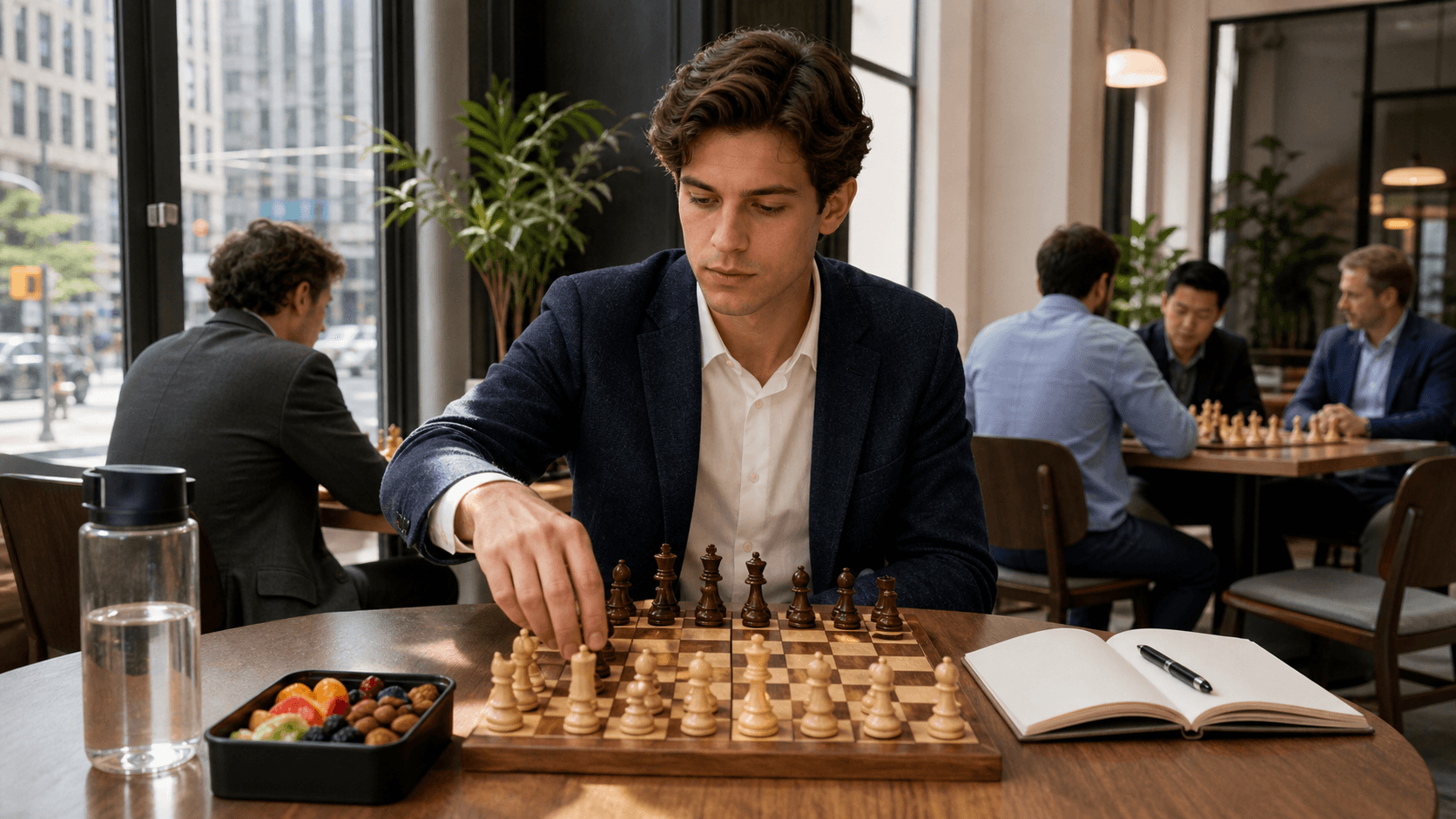
Playing your first USCF tournament in New York City feels exciting and a little scary at the same time. There are clocks ticking, players writing every move, and directors calling out pairings while the room gets quiet. Many new players worry about blundering a piece, running out of time, or forgetting how notation works once the game actually starts.
At United States Chess Academy, we see those worries every week in our Chess Fundamentals classes. Our students ask the same questions you might have right now: How fast will the time control feel? What if my opponent plays something weird in the opening? What happens if we reach an endgame we never saw before? This guide connects directly to what we are working on in class and what you see in the monthly USCA newsletter, like featured game breakdowns, "position of the week," and sportsmanship highlights from local NYC events.
You will learn which risky openings to avoid, which simple endgames to know cold, and an easy pre-round warm-up you can copy before every game. Think of it as a primer for first-time USCF players heading into weekend tournaments in Manhattan, from local scholastic events to popular sites like Hunter and other city venues.
Chess Fundamentals in NYC Tournament Season
Chess fundamentals in NYC are not just an idea we talk about, they are skills we practice over and over on real boards. In our Manhattan classes, especially as school-year tournaments get closer, we keep things simple and practical. We focus on three big basics that help in any tournament hall, whether it is at our own events or another local site.
We train students to pay attention to:
- Active piece development
- Safe king play
- Solid pawn structures
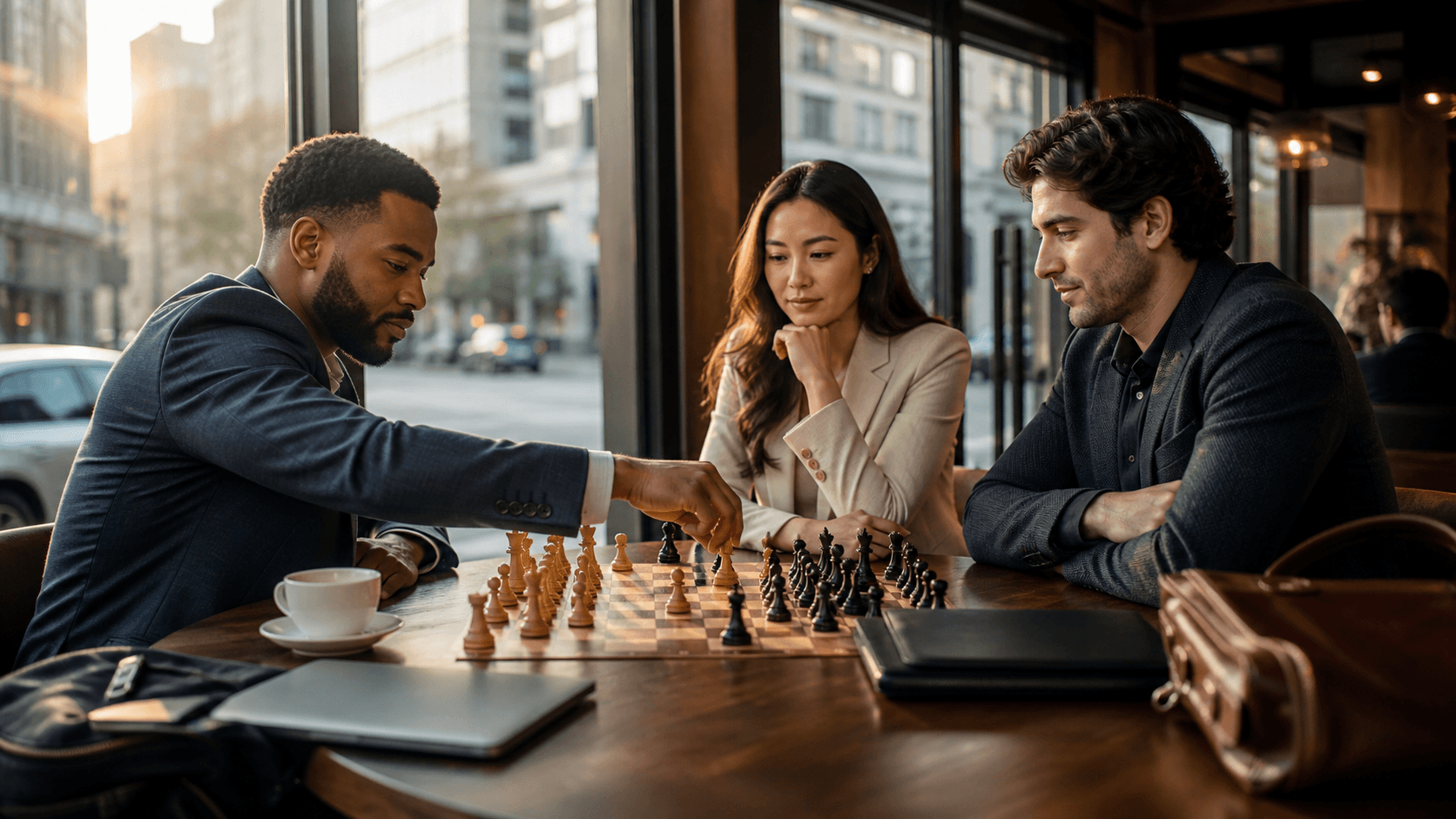
In group lessons, that means lots of model games where both sides develop knights and bishops toward the center, castle early, and avoid random pawn pushes. We talk about how those same patterns show up in real NYC tournaments, where time controls often feel fast once the clock starts and the room noise can be distracting.
Typical beginner mistakes we see at local events include:
- Forgetting to castle and getting checkmated in the center
- Pushing too many pawns and leaving holes around the king
- Rushing in time pressure and hanging pieces
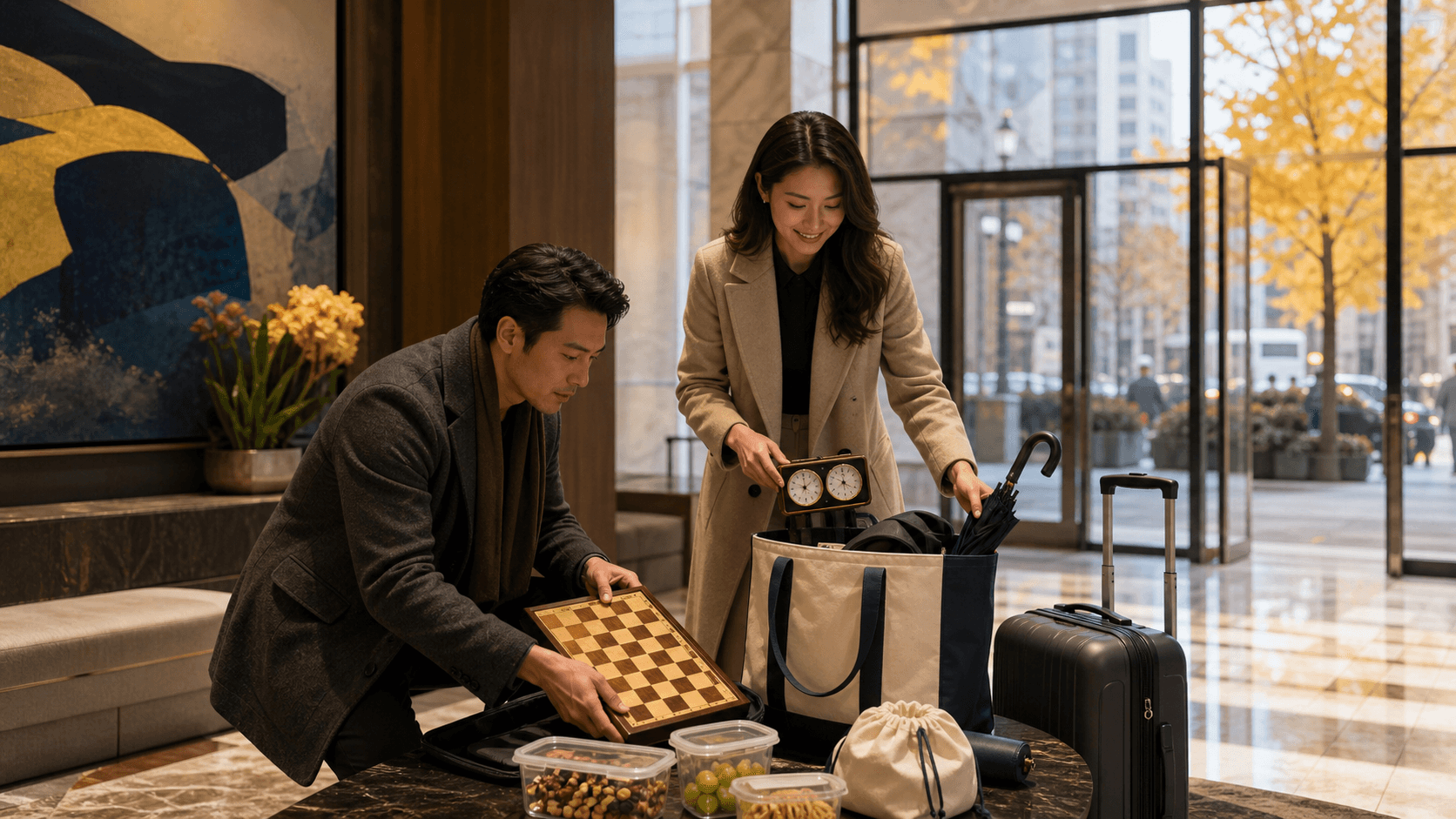
Our coaches prepare students for more than just moves on the board. We practice sitting still for longer rounds, dealing with a noisy hallway, and calmly writing moves even when the game is tense. Before local events and practice tournaments, we set expectations about travel between rounds, snacks, and rest so that the day feels manageable for kids and adults.
As late summer rolls into the new school term, we often hold warm-up tournaments and highlight tournament etiquette in our newsletter. Families can use this guide like a checklist alongside those resources: review basic openings, rehearse how to hit the clock, and talk about good manners at the board before the first rated weekend.
Opening Pitfalls First-Time Players Should Avoid
A lot of new players walk into their first tournament with random openings they watched online. Some of these ideas look fun but do not hold up against a careful opponent. In class right now, our coaches are actively fixing a few common habits before they cause heartbreak in real games.
Here are some opening traps and habits to avoid:
- Moving the same piece several times while other pieces stay at home
- Bringing the queen out on move 2 or 3 to hunt pawns
- Playing wild gambits that give up pawns without clear compensation
When you move one knight five times in a row, your other pieces never join the game. When you chase early checks with the queen, your opponent just gains time by attacking it and you can quickly fall behind. Unsound gambits might work in fast online games, but over-the-board, a calm opponent will just defend and keep the extra material.
Instead, we ask Fundamentals students to follow a very simple plan that matches our "Model Game of the Month" lessons:
- First, control the center with pawns and pieces
- Develop knights and bishops quickly
- Castle before move 10 in most positions
- Connect the rooks and only then think about attacks
You do not need a giant opening book for your first USCF event. A solid, quiet setup is often more than enough, especially at city tournaments where many players are still learning. Our newsletter game annotations often show NYC scholastic players losing fast because of risky openings. The ones who stick to simple development tend to reach playable middlegames and score points by just blundering less.
Endgame Must-Knows for Your First USCF Event
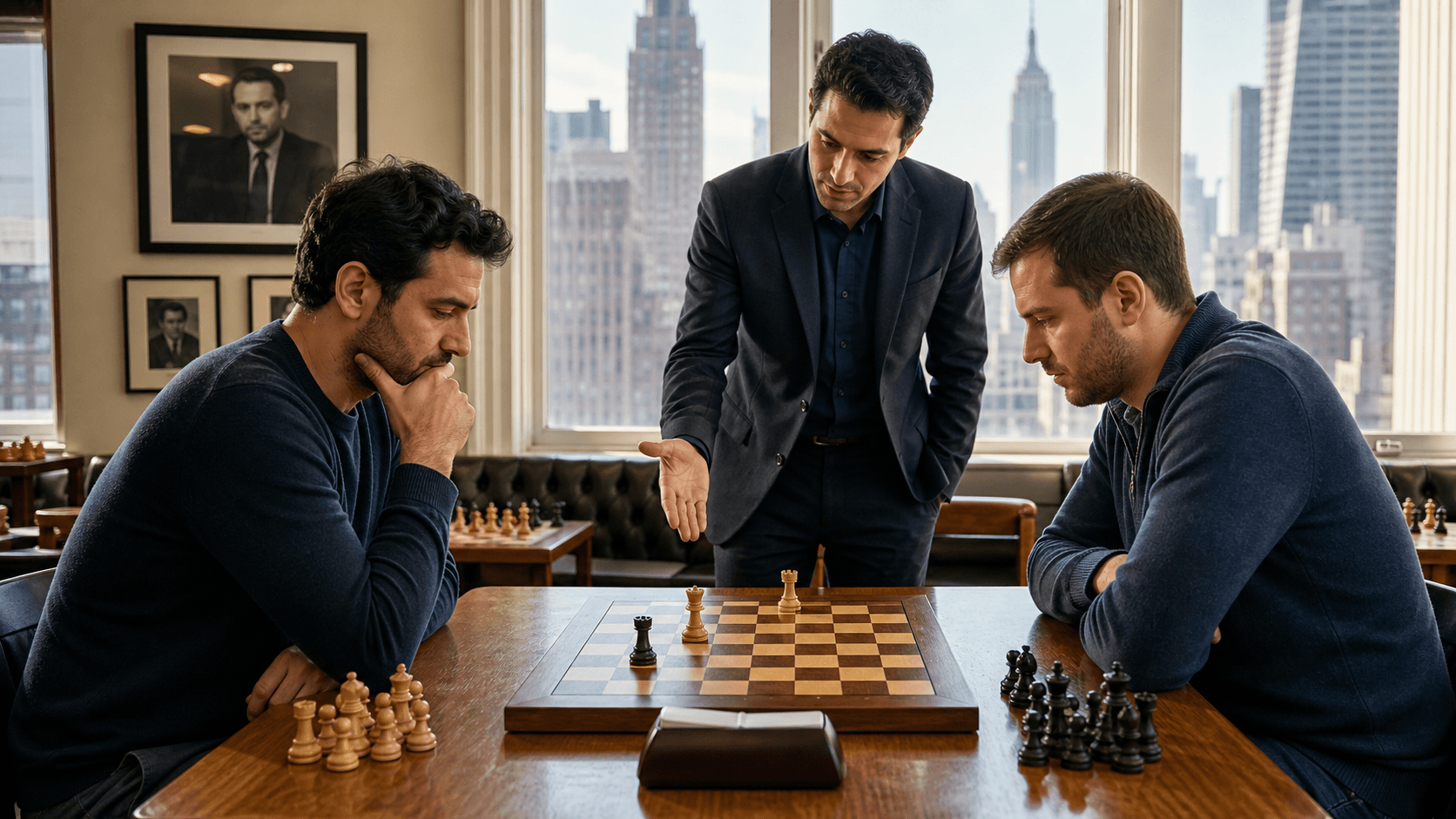
New players often spend all their time on openings and tactics but almost none on endgames. In real scholastic tournaments around Manhattan though, many games trade queens early or reach simplified positions where king activity decides everything. That is why our Chess Fundamentals in NYC classes keep coming back to a small set of endgames that pay off right away in tournaments.
The core endgames we drill with beginners are:
- King and pawn vs king
- Basic king and rook checkmate
- Opposition and simple king moves
- Basic promotion races
King and pawn vs king teaches students how to "shoulder" the enemy king away and when to push the pawn. Many drawn-looking games can be won if you know just a few key rules, like walking your king in front of the pawn at the right moment. The basic rook checkmate is a must, so you feel calm when you reach that position in a long game and know you can finish the job.
Opposition is another pattern we often show in our newsletter "Endgame Corner," using real student games. Once children see how one simple square of distance can decide who wins the pawn race, they start looking for it in their own matches. Parents can support this by encouraging short, focused endgame practice at home instead of only watching sharp opening videos.
If you want a clear training target between events, a good plan is:
- Practice rook checkmate until you can do it under one minute
- Solve a few king and pawn vs king puzzles each week
- Review one promotion race from a recent game or class
For students who cannot always come to the club in person, our online lessons follow the same endgame themes to keep training consistent.
A Simple Pre-Round Warm-Up Routine You Can Copy
Nerves before the round can ruin all the work you did in class. The good news is that a short, repeatable routine helps your brain shift into "tournament mode," whether you are at an event hosted by us, at Hunter, or at another Manhattan site. This is the same style of routine we use before camp practice tournaments and school-year events.
Try this 10- to 15-minute pre-round ritual:
- Solve one quick tactics puzzle (like a simple fork or mate in one)
- Close your eyes and visualize: "Where is the square e4, d5, f7?" and place a knight or bishop there in your mind
- Read your personal tournament checklist
- Take three slow, deep breaths before the first move
Your checklist can include items that match our classroom habits:
- Scoresheet and pencil ready
- Test the clock so you know how to hit it correctly
- Promise yourself: "I will castle early if it is safe"
- Reminder: "Do not rush when you are winning, check for checks and captures"
This kind of routine helps kids avoid blitzing out the first ten moves just because they are nervous. Adults also benefit because it breaks the stress cycle and replaces it with familiar class behaviors. At our camps in places like Central Park, coaches model this routine before practice rounds so students associate those steps with calm, focused play. You can repeat the same steps at home on a laptop before an online training game, or even before a serious lesson, to make the habit stick.
Families who want structured practice time can use sessions at our Central Park camp or group classes to test and refine this pre-round plan in a friendly environment.
Turn Today's Practice Into Your Next Tournament Success
The biggest secret of tournament success is that it usually looks very simple from the outside. Players who do well at NYC events tend to know a few solid openings, a few clear endgame patterns, and have a calm routine they trust before each game. All three of those pieces grow naturally out of the work we do together in classes and in the newsletter.
Families and adult students can use this guide to connect the dots between practice and competition:
- Review opening do's and don'ts and pick one main setup as your base
- Practice the four key endgames until they feel automatic
- Rehearse your pre-round warm-up at home before test games
As you get ready for local tournaments, including those we host in Manhattan as well as other scholastic events around the city, it helps to talk with your coach about a personal game plan. Bring questions from this guide to your next session, show a recent practice game, and ask which opening and endgame patterns fit your style. You can even pick a specific warm-up puzzle type together and treat it as "your" puzzle for every tournament morning.
If you keep your focus on simple development, safe king play, and clear endgame ideas, your first rated events will feel far less scary and a lot more like what you are already doing in the classroom. Bit by bit, every practice game, camp round, and newsletter puzzle starts to add up, until a busy NYC tournament hall feels like just another place to play the same good moves. For families planning ahead, even signing up early through the event cart can become part of the routine, so preparation for each tournament begins long before you sit down at the board.
Build Lasting Confidence With Expert Chess Coaching
Strengthen your foundation on the board with in-person lessons focused on chess fundamentals in NYC tailored to your experience level and goals. At United States Chess Academy, we guide students step by step so core concepts become second nature in real games. If you are ready to take the next step, reach out to contact us and schedule your first session.