Train Like a Manhattan Chess Player, Not a Casual Dabbler
Most kids say they study chess by tapping through tactics apps, watching quick videos, and playing a few fast online games. That can be fun, but it is not how serious Manhattan players train when they are getting ready for real tournaments. Strong players use a clear plan, steady drills, and honest game review.
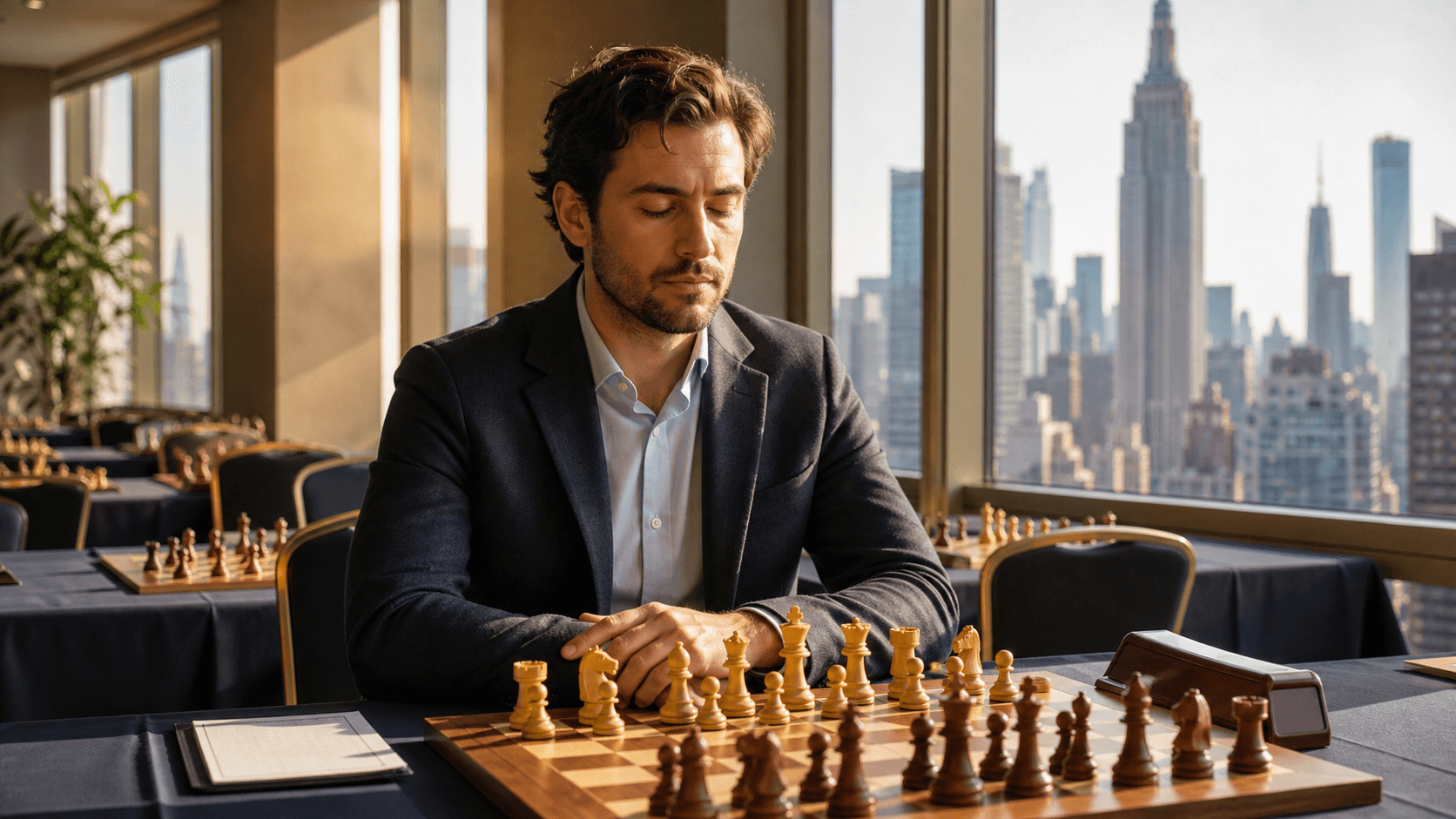
At United States Chess Academy, our classes in Manhattan follow that same training style. Students walk in, sit down at real boards, and get right to work on coach-led drills, focused analysis, and game preparation. Many are getting ready for upcoming scholastic events across New York City, like weekend tournaments in Manhattan schools or bigger events at places such as Hunter College.
Our goal is to give families a simple way to copy this structure at home. When class drills connect to middlegame planning and then to game review, students learn a repeatable method to study chess. That method builds real confidence when the pairings go up and the clock starts.
Why Class Drills Build Real Tournament Confidence
Class always starts with drills. Not random puzzles, but positions chosen for what students will actually face in tournaments. The drills are quick, sharp, and focused.
On a normal day at our academy, drills might include:
- Tactical warm-ups, like "find the winning move" in a crowded position
- Short calculation exercises, where students must say their lines out loud
- Pattern training that repeats the same theme several times in different positions
These drills are not just busywork. They are aimed at the kinds of decisions kids need to make when they sit down at rated events in Manhattan, Brooklyn, or at big scholastic meets like those often held at Hunter. When you see the same tactical patterns and endgame ideas over and over, your brain learns to respond faster and with more calm.
Here are a few types of drills we often use and that you might notice in homework or newsletters:
- "Mate in three from a common opening" so kids learn how attacks grow from typical piece setups
- "Convert a pawn-up endgame" so a small advantage actually becomes a win, not a missed chance
- "Defend precisely under attack" so students practice staying calm and finding only moves when their king is in danger
Over time, these drills lead to stronger calculation, better time use, and fewer sudden blunders when it counts. Repetition is not boring when students know it is preparing them for the next big weekend event they care about.
From Opening Moves to Middlegame Plan
A lot of players think they study chess by memorizing opening lines. Strong coaches know that what really matters is what happens right after the opening, when the book ends and the real game begins.
In our group lessons and camps, we start from openings students actually see in New York scholastic play, such as:
- Italian Game with early piece development
- Queen's Gambit structures with a strong center
- Sicilian setups with open c-files and kingside ideas
We use these familiar openings as starting points, then we train students to ask simple, powerful questions once the pieces are out:
- Where are the weak squares on both sides?
- Which piece is my worst piece, and how can I improve it?
- What is my opponent's idea, and how can I make it harder for them?
- Do I play on the kingside, queenside, or in the center in this structure?
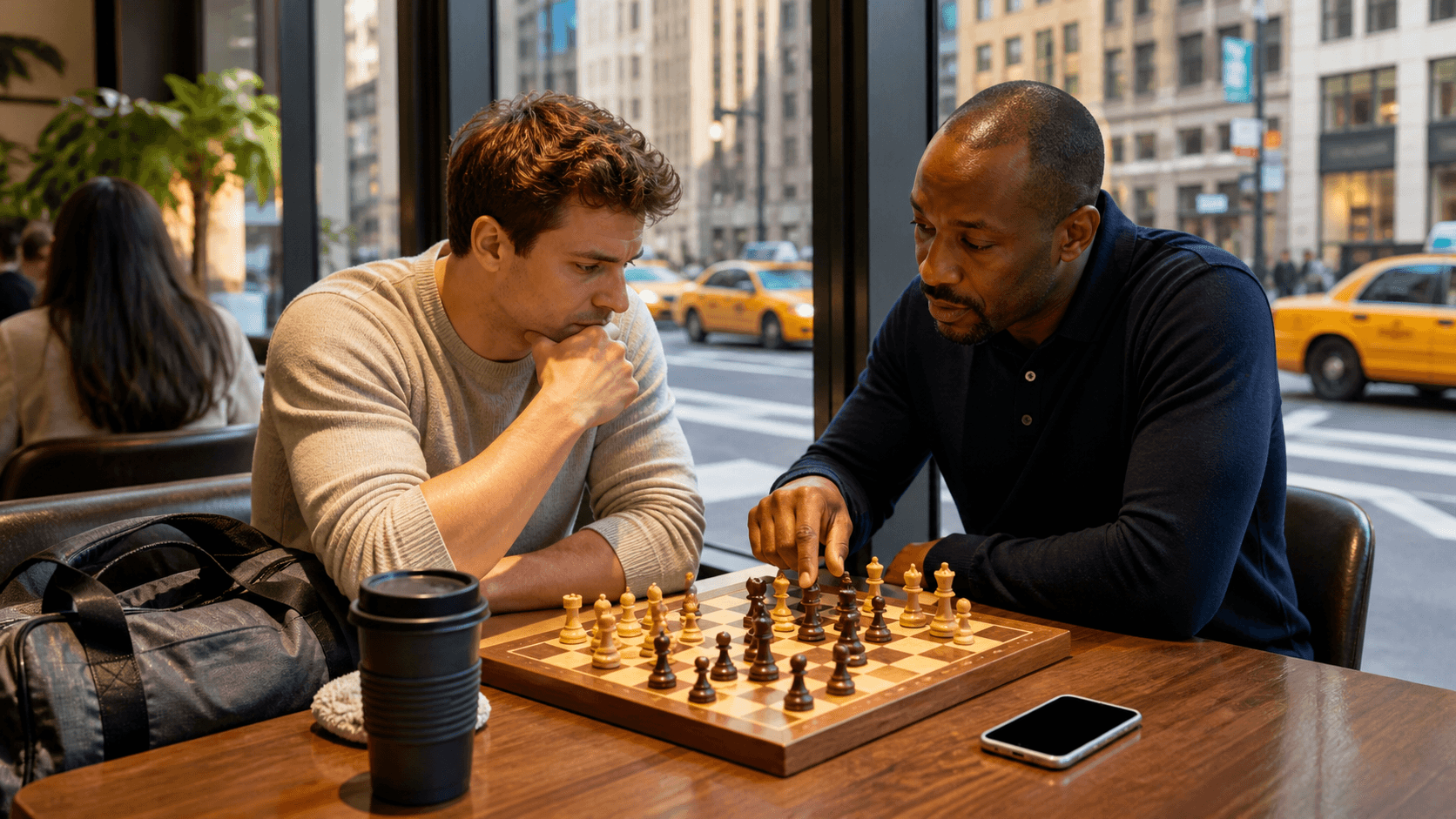
When kids get used to asking these questions out loud in class, they can use the same checklist at home. They can set up a position from one of their own games or from an online training board and walk through the questions. This is one of the main habits we reinforce in our online lessons as well.
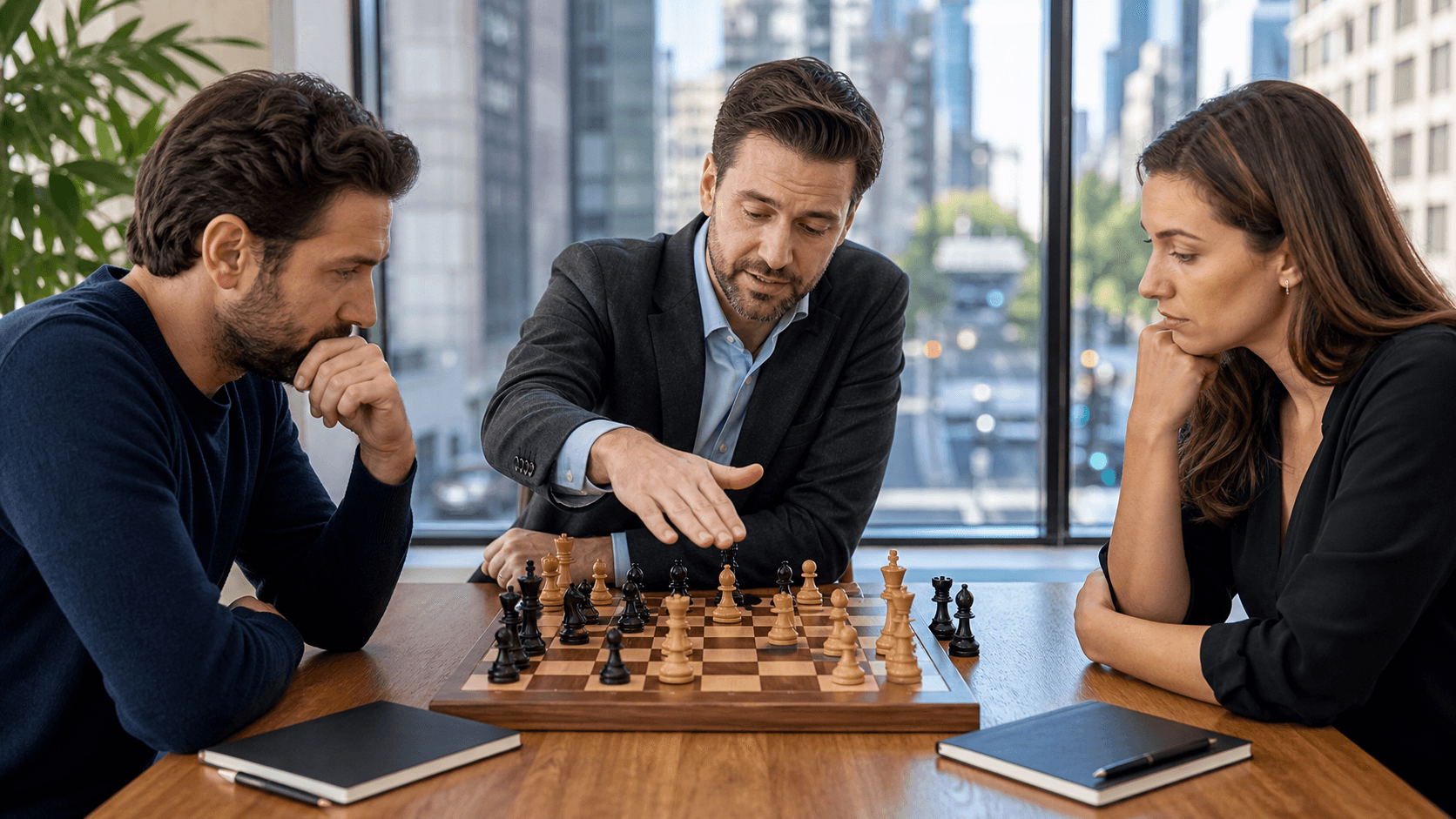
In class, we might put a standard Italian position on the board, then ask everyone to suggest plans. Some will say "I want to push this pawn" or "I want to double rooks on this file." The coach guides the group toward understanding why certain plans fit the structure, so students start to connect opening setups with long-term ideas, not just moves.
How Coaches Turn Weekend Games Into Learning Fuel
The real magic happens when we take students' tournament games and bring them back into the classroom. Many of our students play weekend events across Manhattan or other city boroughs. Those games are gold for teaching, even the painful losses.
The review process usually looks like this:
- Students share their game scores or PGNs, sometimes printed, sometimes on a shared screen
- The player explains what they were thinking at key moments
- The coach stops at 2 to 4 "turning points" to ask, "What other moves were possible here?"
- The group helps find better ideas together
We focus on the biggest moments, not every single move. Maybe a student chose the wrong plan out of the opening, missed a simple tactic in time trouble, or did not know how to handle a pawn race in the endgame. Those mistakes turn straight into next week's class drills and homework themes.
This teaches a powerful mindset: tournaments are not final exams; they are study material. Every event, from a small local Swiss in Manhattan to bigger scholastic tournaments, becomes part of a longer training story. Students start to feel less scared of losing and more curious about what they can learn next.
Building a Home Study Routine That Matches Class Training
Families often ask how to study chess at home without turning it into a stressful job. The answer is to keep the structure simple and to mirror what kids already know from class.
Here is a weekly home routine that lines up with our training style:
- One day: short tactics session, 15 to 20 minutes, using patterns similar to our class drills
- One day: annotated game review, either your child's own games or a classic game with comments
- One day: online practice games with a purpose, such as "play slow games and use our middlegame questions"
If your child receives a newsletter with themes like "rook endings" or "attacking the king in the Italian," try to match that at home. A few puzzles on that topic, then one or two games that show the idea, will make class and home feel connected. If your schedule allows, pairing this routine with a seasonal program like our Central Park chess camp can give kids extra chances to see the same ideas in action.
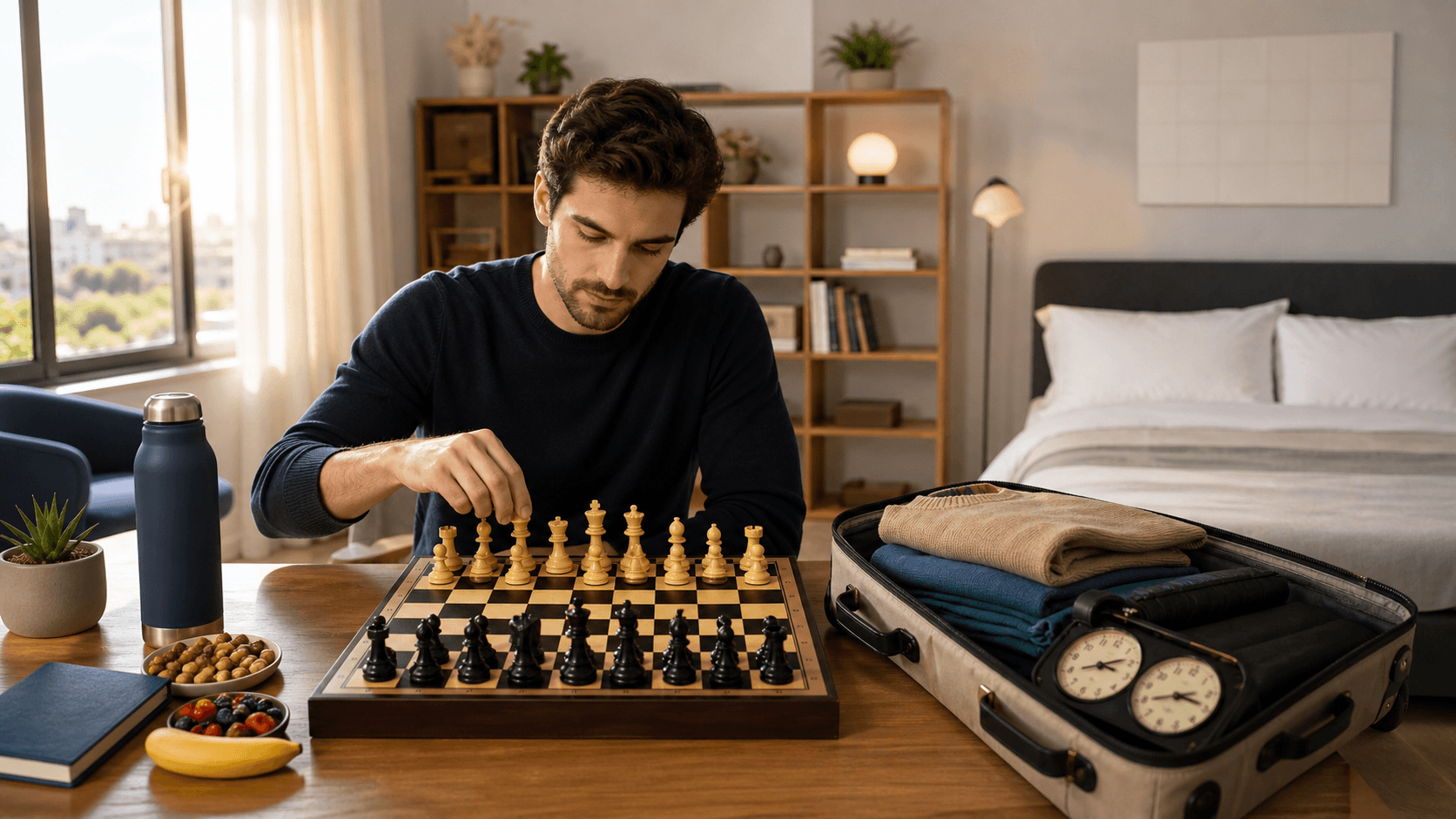
Before a tournament, we suggest a small "tournament eve" routine:
- 10 to 15 minutes of light tactics, nothing too hard
- A quick review of favorite openings, just main ideas and typical plans
- One calm practice game or no game at all, then an early bedtime and screen-free wind-down
The goal is for kids to arrive at events feeling steady and prepared, not overloaded. When home study matches what they have been doing with coaches, stepping into a real tournament hall feels familiar, not scary.
Stepping Onto the Board with a Coach's Game Plan
As fall scholastic events approach across New York City, families have a choice. They can treat tournaments as random one-off experiences, or they can connect them to a clear way to study chess that builds from class drills to middlegame plans to game review.
At United States Chess Academy, we see how powerful it is when students know there is a plan behind their training. Class drills point to the structures they will see out of common openings. Middlegame questions give them a map in unclear positions. Game reviews from local tournaments, from small school events to larger Manhattan meets, feed right back into the next week of training.
When home practice follows the same pattern, every puzzle, every practice game, and every weekend event supports the same goal: steady, confident growth on and off the board. For families, that kind of structure makes it easier to support a child's interest without guessing what to do next. For students, it turns "study chess" from a vague idea into a clear set of habits that make each new tournament feel like the next step in their development, not a stand-alone test.
If you ever feel unsure how to line up class and home, one simple step is to ask your child's coach for a short written training plan leading up to their next major event. That way, you can line up drills, practice games, and even optional extras from our current programs with the real tournaments on your family calendar, so every move on and off the board has a clear purpose.
Take The Next Step To Sharpen Your Chess Skills
If you are ready to turn what you learned in this article into real improvement over the board, our coaches are here to help you study chess with structure and purpose. At United States Chess Academy, we tailor each lesson to your goals so you build confidence with every game. Get in touch to schedule your first session or ask questions through our contact page.