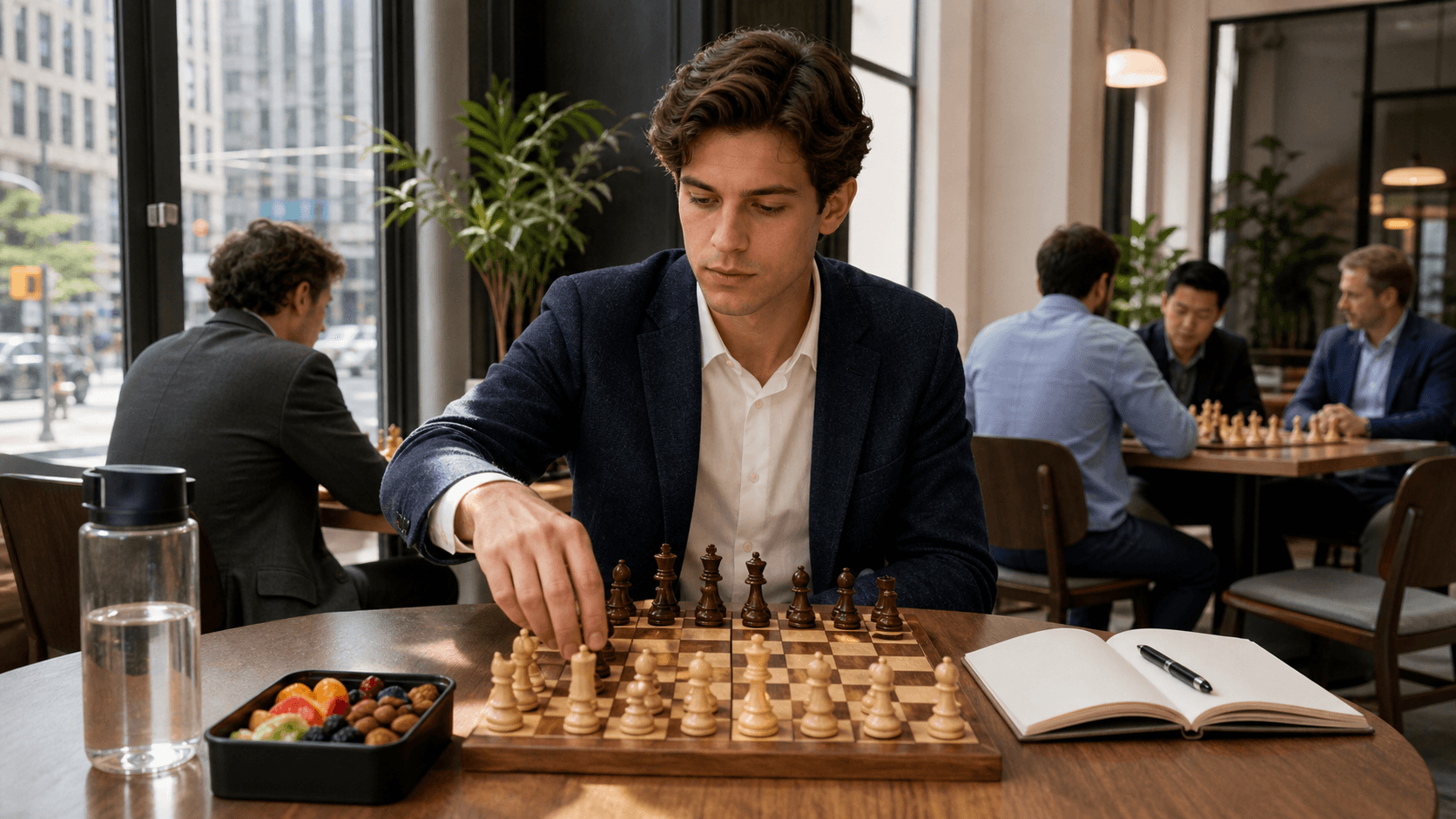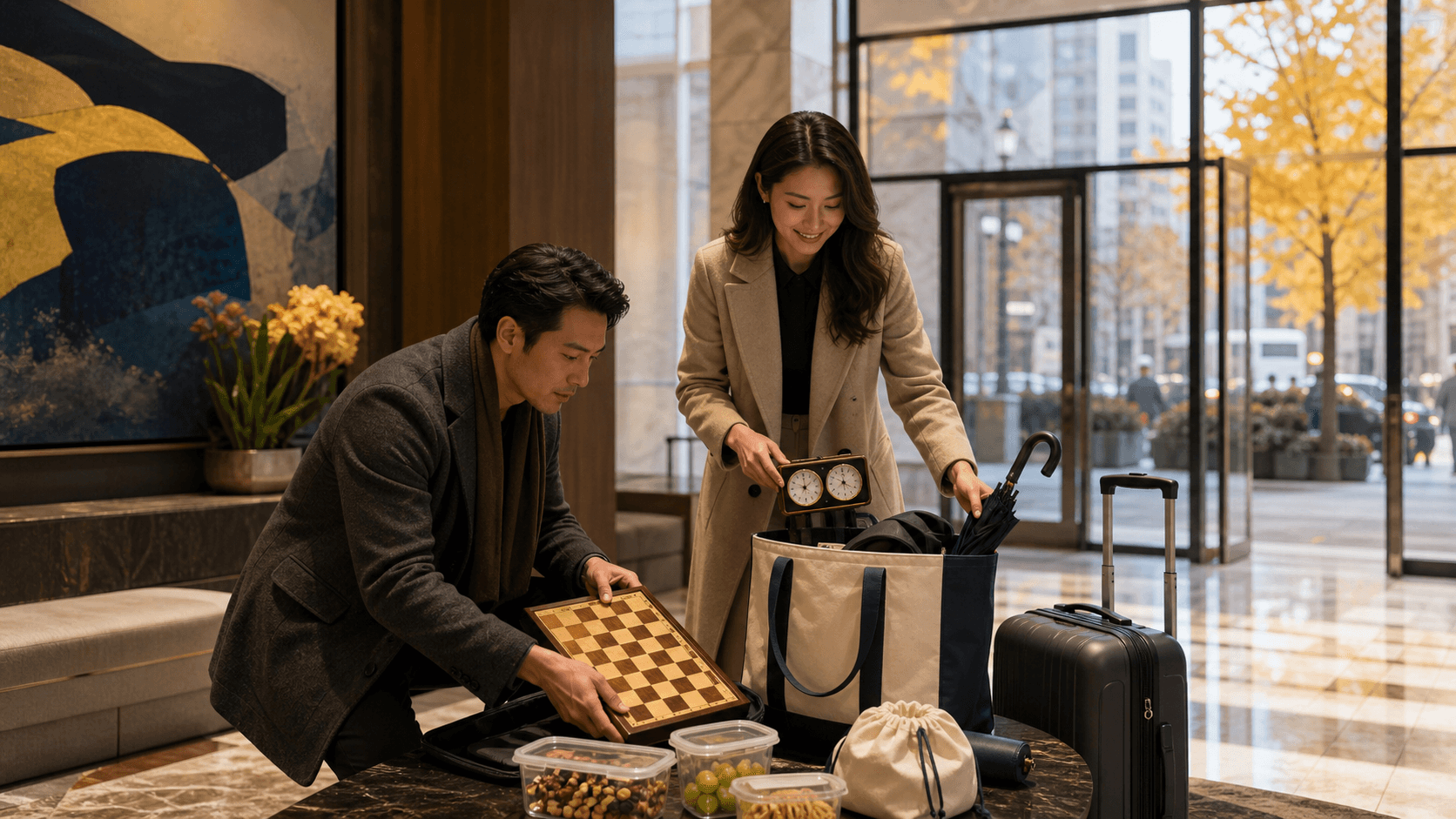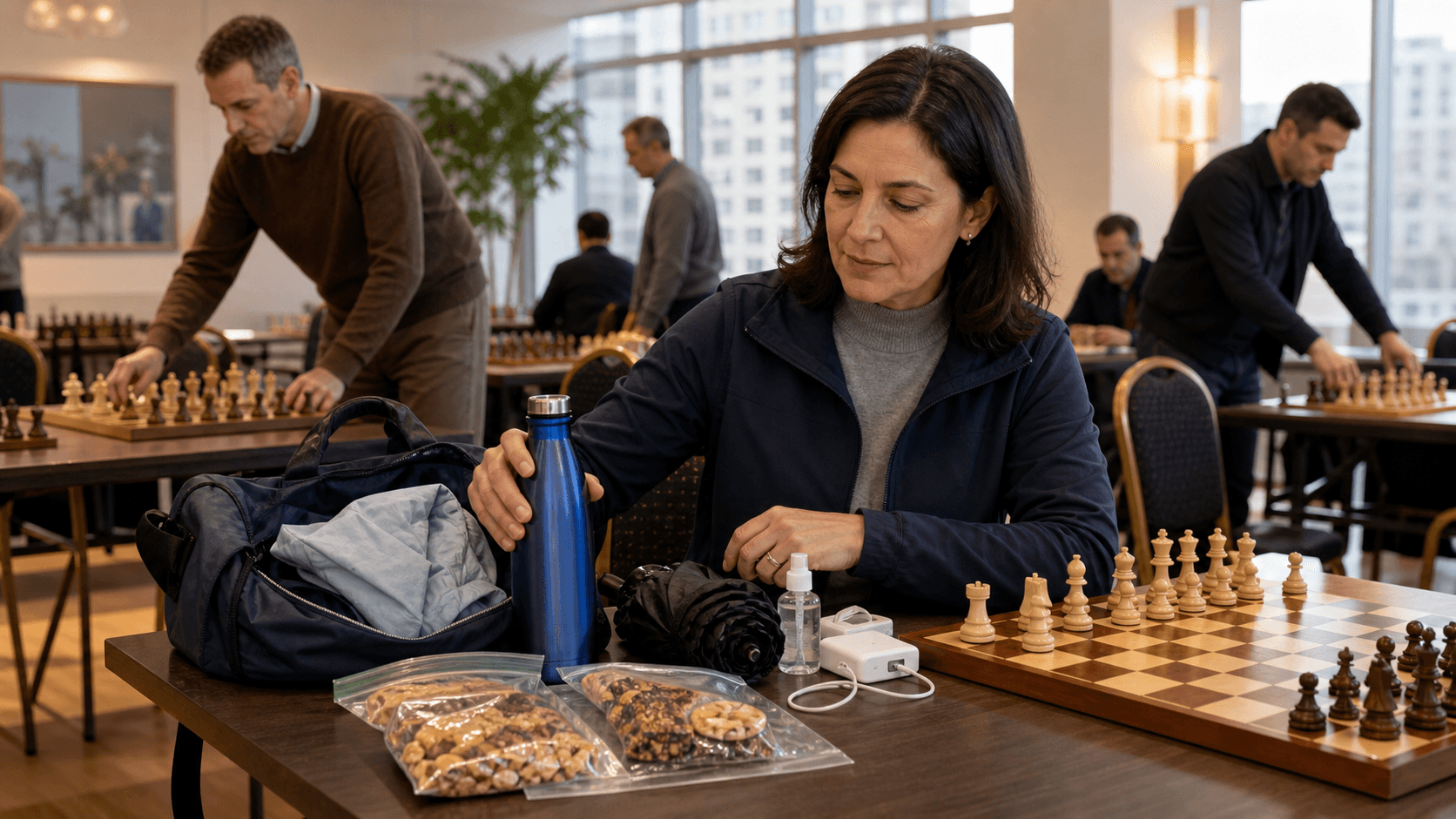
Bringing a child to their first scholastic chess tournament in Manhattan can feel intense. It is a new building, with lots of kids, clocks ticking, and parents everywhere. When you know what the day looks like and what to pack, the whole experience becomes calmer for everyone, and your child has more energy left for actual chess, not stress.
This guide walks through what families usually see at scholastic chess tournaments in Manhattan, including events we support, like local school tournaments and larger weekend events, and what many of our students practice in classes, camps, and seasonal programs. Our goal is simple: help your family show up prepared, stay relaxed, and treat tournament days as learning days, not pressure cookers.
Start Your Tournament Day Calm, Ready, and on Time
Most scholastic tournaments in Manhattan follow a similar pattern. You arrive, check in at registration, find the playing hall, read the pairing boards, then your child sits at their board while parents wait in a separate area. Rounds can last anywhere from 30 minutes to a couple of hours, depending on the time control.
Being ready before you leave home helps a lot. When your child has their gear, snacks, and a rough idea of what will happen, they walk in feeling like, "I know this," instead of "What is going on?" That calmer mindset shows up in the way they handle their first tricky position, or a time scramble, or a long endgame.
At United States Chess Academy, we rehearse the tournament flow inside classes, camps, and intensives. Students practice sitting quietly at the board, raising their hands for a director, recording moves, and handling wins and losses. This guide pulls directly from those routines so the tournament day feels like a bigger version of what they already do with us.
Build a Smart Onsite Survival Kit
A good chess bag is like a good school backpack. It does not have to be fancy, it just has to be packed with the right things.
For chess gear, we suggest:
- Tournament-legal chess set and pieces if the event asks players to bring their own
- Chess clock, with batteries checked ahead of time
- Scorebook or score sheets, plus at least two pencils or pens
- A team shirt or comfortable layers so your child is easy to spot
- Any printed puzzles or worksheets they use with coaches
At many Manhattan events, including ones like Hunter tournaments or the official scholastic events at local schools, organizers provide boards and pieces in the playing hall, but it is still helpful for kids to be familiar with standard tournament equipment.
For comfort and focus between rounds, pack:
- Refillable water bottle
- Light jacket or hoodie, since rooms can be chilly
- Quiet fidgets, like a small stress ball, not noisy toys
- Headphones for breaks only, never at the board
- A small scarf or soft layer if your child gets cold easily
Health and safety items are simple but important:
- Hand sanitizer
- Small pack of tissues
- Any allergy or medical needs your child might need during the day
- Backup mask if they feel better wearing one in crowded areas
Families who attend our Central Park programs, like Central Park camp sessions, often keep a similar kit ready, so tournament days feel like an extension of their regular chess routine.
Master Arrival, Check-in, and Pairing Boards
Plan to arrive early, not right at the first round start time. Those extra minutes let your child settle in, visit the bathroom, and walk the space with you.
Arrival usually looks like this:
- Check in at the registration desk so the organizer knows your child is present
- Find the playing hall and any team room or skittles area
- Identify where pairing sheets will be posted
- Say hello to the tournament director if you have questions
At many scholastic chess tournaments in Manhattan, pairings are posted on large sheets of paper in the hallway. They list the section, the board number, and which color your child has. We practice reading this format during our classes and online lessons so it feels familiar.
Key things to explain to your child:
- Sections group players by rating or grade
- Board numbers tell them where to sit
- "White" or "Black" shows which side they are playing
- Round times are set, but games in each round will end at different times
Sometimes pairings run late. That is normal. Parents should give directors space to work and wait in the hall or parent area while kids line up or sit quietly by the door. At events we support, our coaches usually stay near the pairing boards or a team table to guide newer families during hectic moments.
Plan Food, Bathroom Breaks, and Energy Levels
Food can make or break a tournament day. Hungry kids rush, get frustrated, or lose focus. Overfed kids feel sleepy and slow.
Good snack ideas:
- Crackers, pretzels, or granola bars that are not too sticky
- Fruit that is easy to eat, like bananas or sliced apples in a container
- Nuts or trail mix, if there are no allergy issues
- Simple sandwiches or wraps for lunch
Try to avoid:
- Heavy, greasy meals right before a game
- Very sugary drinks or candy that cause a quick spike and crash
- Messy snacks that could get on the pieces or scoresheet
Most events give time between rounds for food, but not always enough for a full sit-down meal. Pack things your child can eat in about 10 to 15 minutes without rushing.
Bathroom routines matter too. Before each round, remind your child to use the restroom, even if they do not feel a huge need. During a game, if they need to go, they should:
- Quietly raise their hand
- Wait for the tournament director to approach
- Ask for permission to use the bathroom
- Leave the board with their clock still running, unless the rules say otherwise
We rehearse this in class, because kids often feel shy about asking. Practicing a simple script at home, like "Excuse me, may I use the restroom?" helps it feel less scary.
For long tournament days, build in short breaks between rounds: a quick walk outside, gentle stretching, or a short rest with a book. For younger players, be realistic. A full-day event can be tiring, especially if you are coming from another activity, like a soccer game or a long commute.
Understand Byes, Rules, and Tournament Etiquette
Many scholastic chess tournaments in Manhattan offer byes. A bye means a player skips a round. A half-point bye gives half a point as if the game was drawn. A full-point bye is rare and usually only used if there is an odd number of players in a section. Organizers often set a deadline for requesting byes, usually before round one. Make sure to read the event details so you know how that works.
Core sportsmanship rules are simple but important:
- Shake hands or fist bump before and after each game
- Do not touch a piece unless you plan to move it, if legal
- When offering a draw, say "I offer a draw" and press your clock
- When resigning, stop the clock and say "I resign" calmly
- Be kind after the game, no bragging or blaming
We spend plenty of time on this in our classes and seasonal camps because these habits carry over to every event, whether it is a small local tournament or a big city event.
If something goes wrong during a game, your child should raise their hand and wait for the director. They should not argue with their opponent, grab pieces, or leave the board without permission. Parents must never step into the playing area to argue or correct a position. If your child comes out upset, listen first, then guide them to talk with the director or a coach if one is on site.
How Parents Can Support Between Rounds Without Coaching
Parents play a huge role, but the role is not "second coach." It is more like "calm support system."
Helpful things to say include:
- "How are you feeling?"
- "What did you learn from that game?"
- "I am proud of how hard you are trying."
- "What is one thing you want to focus on next round?"
Try to avoid:
- "You should have played..."
- "Why did you miss that move?"
- "You always do this."
- "You have to win this next game."
Between rounds, let coaches handle game review when possible. Many of our students bring their scoresheets to events that our staff attends so a coach can go over key moments. If a coach is not there, your child can still do something productive, like:
- Solving a few puzzle sheets from class
- Looking back at their scorebook to spot one idea to improve
- Reading a quiet book
- Taking a short walk and resetting for the next round
This keeps the focus on learning, not obsessing over every single move.
Turn Tournament Days Into Learning Wins
When your family has a simple survival kit, a clear arrival plan, and shared roles for parents and kids, scholastic chess tournaments in Manhattan become less about stress and more about growth. Your child learns how to handle pressure, stay polite in tough moments, and bounce back from hard games, all skills we work on in our regular programs and seasonal events.
Using a checklist at home before each tournament, reviewing pairing boards in advance, and talking with your child about sportsmanship and realistic goals set them up for a much more positive day. Over time, those habits turn each tournament, from school events to larger Manhattan weekend tournaments, into another chance to practice what they already know and to come home feeling stronger, no matter what the final score says.
Help Your Young Player Grow Through Real Tournament Experience
If your child is ready to take the next step from casual play to competitive success, we invite you to explore our scholastic chess tournaments in Manhattan. At United States Chess Academy, we create structured, supportive events where students can test their skills, build confidence, and learn from every game. To discuss which upcoming events are the best fit for your player, please contact us today.