Why Manhattan Parents Are Choosing Chess Together
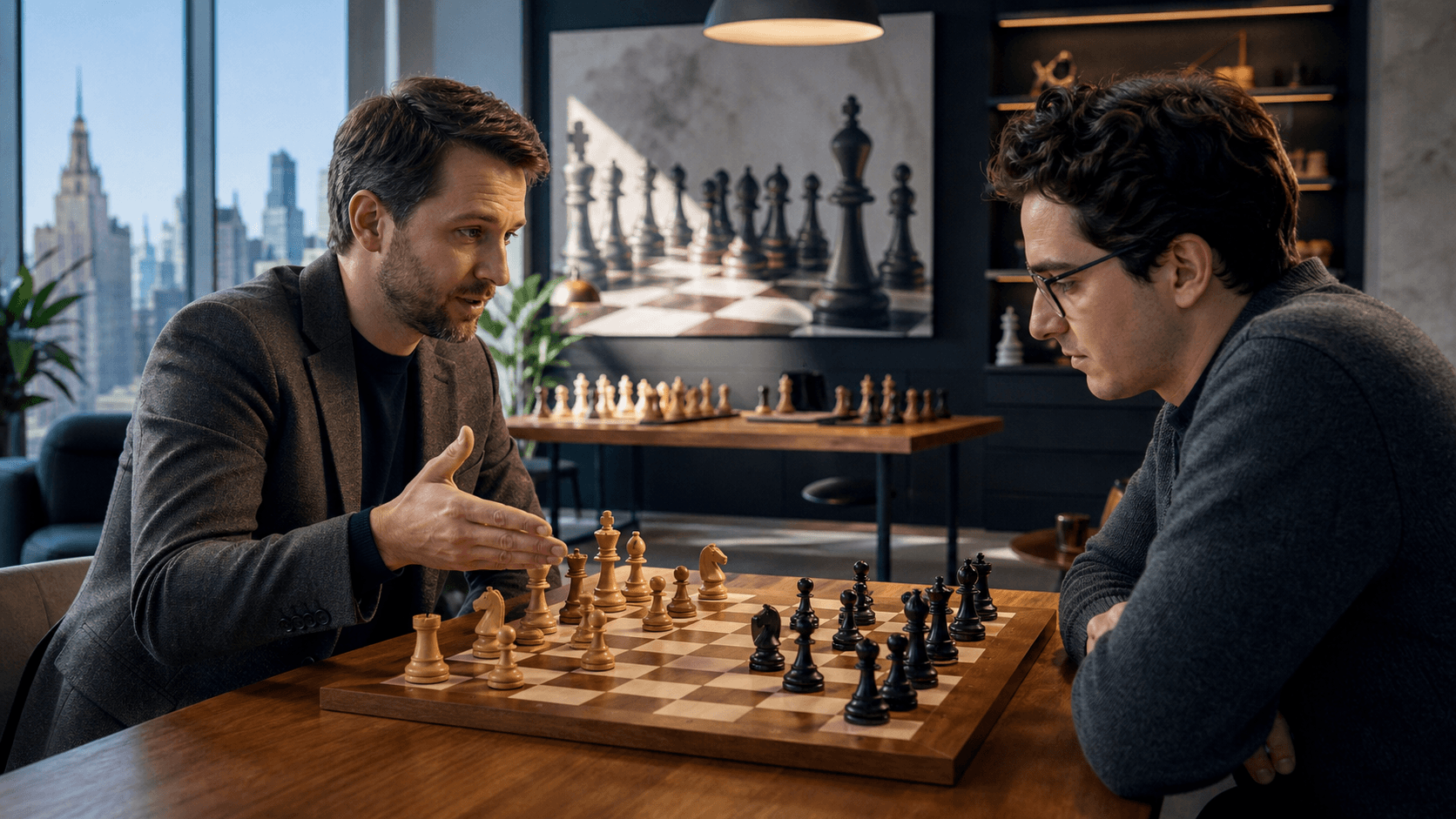
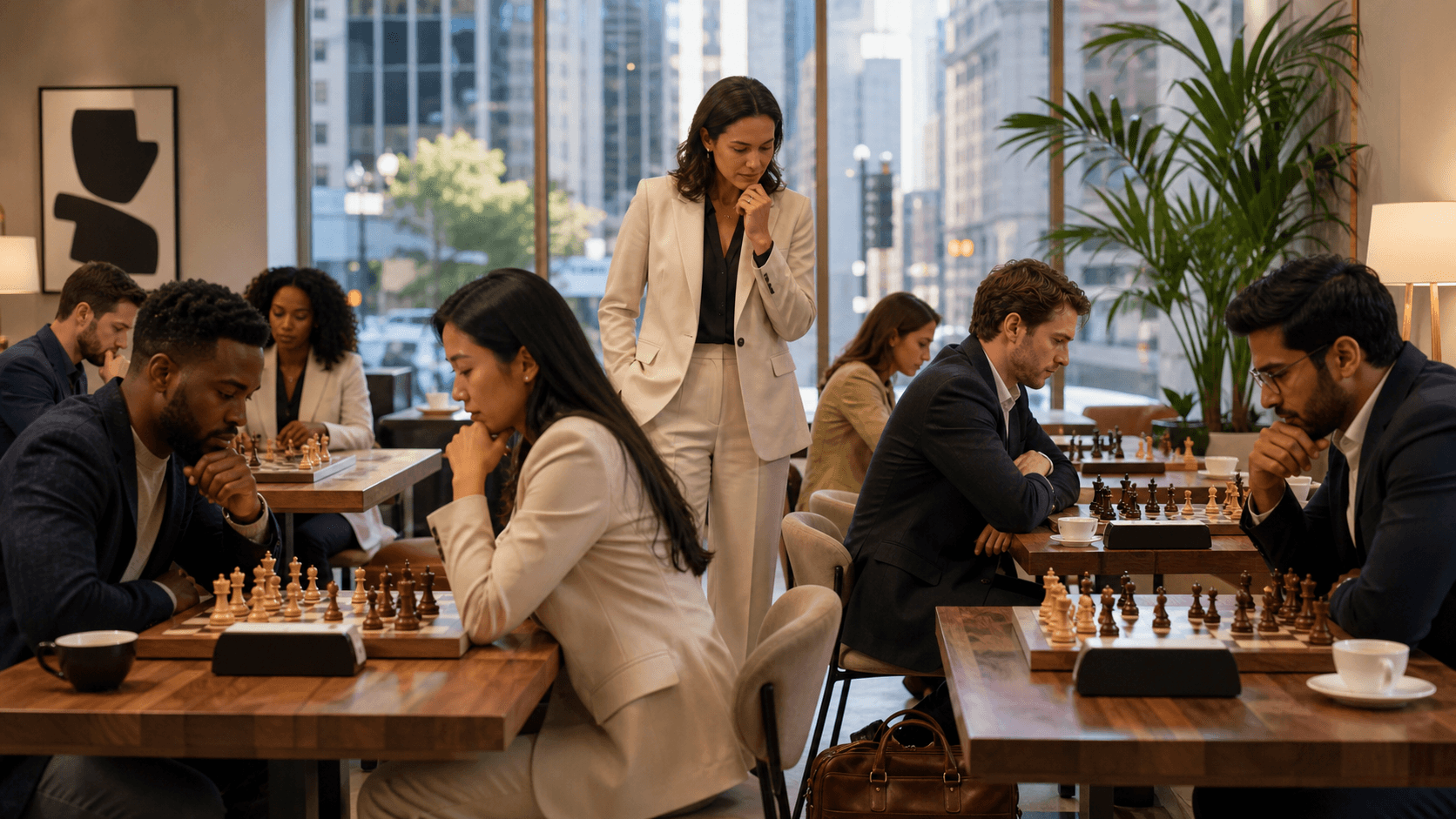
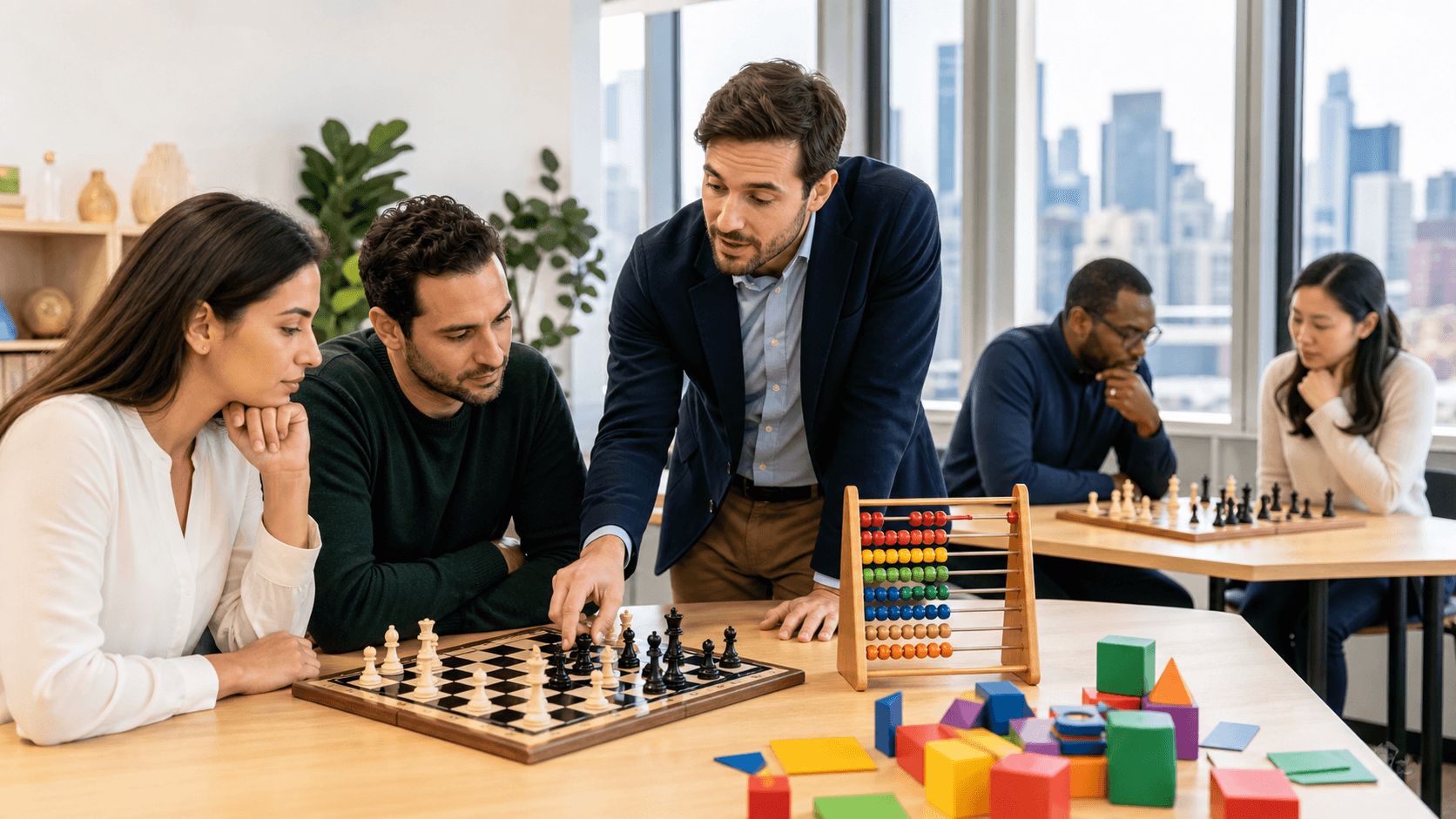
Group chess lessons for kids in Manhattan give families something rare: a quiet, focused activity that still feels social and fun. On a typical weeknight at our academy, kids spill in after school with backpacks and snacks, parents chat in the lobby, and coaches greet students by name while boards are set up across the room.
The room fills with that soft buzz of thinking: pieces clicking, kids whispering ideas, coaches asking, "Are you sure about that move?" It is structured but relaxed, serious but still playful. For city families, this kind of after-school time checks a lot of boxes at once, from safe supervision to real enrichment to easy subway access.
Parents tell us they love that their children are not only learning openings, tactics, and checkmates. They are also gaining confidence, building friendships, and learning how to focus in a way that carries into homework, tests, and daily life in Manhattan. In this article, we connect what families are experiencing right now in our group classes with the skills their children are using in our current tournament cycle and the programs highlighted in this month's newsletter.
Built-in Friends and Role Models Around Every Board
One of the biggest surprises for many parents is how social group chess can be. Kids sit across from new partners, trade ideas, and slowly build a circle of "chess friends" they look forward to seeing each week.
In our current mixed-level groups, something special happens. Newer players naturally watch the more advanced kids and start to copy what they see:
- How they shake hands before and after a game
- How they handle a tough loss without melting down
- How they calmly review a position instead of blaming bad luck
We design our group classes so this kind of peer learning happens on purpose, not by accident. In our present class cycle, coaches are pairing students for puzzles, short rapid games, and review sessions that mirror the conditions they will see in our upcoming weekend scholastic quads and school-based team events featured in the latest newsletter.
A shy child might first solve problems with one partner, then rotate to another, so they get used to sharing ideas out loud and hearing different ways to think.
Parents often say the group feels like a small community:
- Kids cheer when someone finds a smart tactic on the demo board
- They clap after a tricky checkmate pattern is solved
- They shake off losses faster when they see friends going through the same thing
Right now, our classes include themed "team challenge" days that we've been highlighting in our emails to families. One side of the room might be "White Team," the other "Black Team," and everyone votes on moves together. We also run friendly in-class mini-tournaments and small preparation pods tied directly to upcoming Manhattan scholastic events on our calendar, such as the next series of Saturday quads and local school tournaments we list in the newsletter. Even though chess is an individual game, that team-like atmosphere makes kids want to come back.
Faster Growth Through Shared Learning and Real Games
In a group setting, kids are not just learning from their own games; they are learning from everyone's. That is a big reason parents look for group chess lessons for kids in Manhattan instead of only private lessons.
When a coach explains a pattern at the demo board, then walks through the room, students see that same pattern appear on multiple boards. A fork here, a pin there, a back-rank trick that suddenly matters in a real game. This repetition speeds up how quickly ideas "stick."
A typical group class this month might include:
- A short lesson on the demo board tied to our current "Back-to-School Tournament Basics" theme, with kids raising hands to suggest moves
- A "students vs coach" game where the whole class votes on one side, using openings they will play in the upcoming scholastic events listed in our newsletter calendar
- A "find the blunder" exercise using a real game from the group, especially recent games from our in-house practice tournaments
- Live games on the board, followed by quick post-game reviews that focus on positions similar to those they will see in our next round of quads
That shared review time is powerful. When one student misses a mate in one, the whole class sees it and learns. When someone plays a beautiful endgame, everyone benefits from the breakdown. Parents are already seeing these patterns show up at tournaments across Manhattan, including the school events and weekend competitions we direct families to through our current communications.
Our late-summer and early-fall classes are intentionally leaning into tournament readiness to match the busy scholastic season ahead. We spend extra time on:
- Opening principles that work well in scholastic events, especially the ones we are practicing for our upcoming Saturday quads
- Endgame basics that save half-points in long games, which we spotlight in this month's newsletter videos
- Clock management, so kids do not panic in time trouble during the rated events on our current calendar
We also prepare students for different tournament styles they might meet in the city, like quads and scholastic events at partner schools that we reference in our newsletter. Group practice around these very specific themes makes actual tournaments feel more familiar and less scary.
Confidence, Focus, and Grit Parents Can See at Home
While parents like that chess is academic, what they usually talk about first are the off-board changes they see at home. Kids begin using "chess thinking" outside the classroom: pausing before reacting, planning a few steps ahead, and not giving up after a setback.
To support that, we are currently running focused class themes that we also highlight in our emails so families know what to look for. For example, during our current "Blunder Check Weeks," students practice a simple routine before every move: stop, scan the board, and ask, "What changed?" Parents later tell us they hear their child quietly using a similar pause before guessing on homework or rushing through a test.
We are also in the middle of "Comeback Challenges," where kids start from worse positions on purpose and are asked to fight, defend, and look for counterplay. That trains grit and emotional control, because the goal is not winning every time, it is playing strong moves even when things feel hard. These same ideas are featured in our newsletter tips for parents, so families can reinforce them at home.
Signs parents often see at home include:
- A child eagerly setting up a board to show a new tactic from this week's lesson
- Calm analysis after a loss instead of tears or blaming bad luck, especially after tough games in our practice quads
- More patience with long puzzles or tricky school assignments
- Pride in slowly improving, not just in winning fast
These skills build over time, especially when kids are in a steady group that talks about mistakes as normal and useful and when parents are hearing about the same themes in our regular communications.
Safe, Structured After-School Time in the Heart of the City
For busy Manhattan families, the logistics matter a lot. Group chess lessons give kids a clear plan for those after-school hours when parents are still working or dealing with siblings' schedules.
Our current class times are set to fit after the school day, which we outline in detail in our program guides and newsletters, so parents can:
- Arrange a direct pickup from school to class
- Overlap siblings in different groups for easier evenings
- Pair regular sessions with seasonal offerings, like our upcoming school-break camps and holiday programs
During warmer months, some families combine weekly classes with outdoor options like our Central Park chess camp, which keeps kids active and thinking through the day. When the weather cools down, indoor group lessons become a consistent, calm routine, connecting directly to the fall tournament schedule we share with families.
Titled coaches and grandmasters set the tone in the classroom. They keep standards clear around:
- Respect at the board
- Good sportsmanship in wins and losses
- Quiet focus during teaching time, balanced with friendly conversation between rounds
Parents tell us that knowing their child is in a structured, supervised setting right in Manhattan, focused on something deep and constructive and aligned with the tournaments and programs we are currently running, brings a lot of peace of mind.
From Class to Competition: How We Connect It All
For many kids, tournaments become exciting milestones, not scary tests. Our late-summer and early-fall group sessions are mapped to the exact events on our current tournament calendar, including the upcoming weekend quads and school tournaments we are promoting in our newsletters.
We spend class time on very practical skills kids will face once they start competing in these specific events:
- How to use a chess clock without rushing, just like they will need in our next rated quads
- How to record moves clearly and read notation sheets, which we practice ahead of the scholastic tournaments featured this month
- How to follow pairings and find their board calmly, mirroring the procedures we use at our in-house events
In group settings, we can even simulate tournament conditions. Kids practice sitting quietly while others finish, shaking hands before and after, and going over games after the round. That makes real events smoother, whether they are playing at our academy, at school meets, or at scholastic events we link to in our current communications.
Parents often watch an emotional arc unfold. A child might start out scared of the first rated event, then, after a few group practice sessions focused on the upcoming tournaments we have been announcing, slowly shift into someone who:
- Walks to the board with a clear routine
- Manages time instead of blitzing or freezing
- Talks about positions and ideas, not just wins and losses
We keep families in the loop through in-class announcements, our newsletter, and direct messages about the same topics. When we cover time management, kids hear exactly which upcoming events those skills connect to. When we are working on endgames, they know which weekend quads and school tournaments are around the corner and why those positions matter there.
For families who want extra support, it is common to pair steady group classes with occasional online work, for example through remote coaching sessions. That way, kids can stay connected to their group while sharpening specific openings or reviewing games from recent tournaments on our schedule.
As kids grow within a stable group, they get more than theory and tactics. They gain a consistent place to think hard, a circle of peers who share their interests, and a clear path from weekly class to the tournament boards across Manhattan that we are preparing for together in our current programs.
Help Your Child Build Confidence and Strategy Through Chess
Give your child a supportive place to sharpen their thinking skills with our structured group chess lessons for kids in Manhattan. At United States Chess Academy, we guide students of all levels to develop focus, creativity, and resilience over the board. If you are ready to find the right class for your child or have questions about placement, contact us today.