How Early-Middlegame Patterns Win Real Games
Middlegame chess is where most real games are decided. For our students, the critical moves often happen right after the opening, when the easy development is over and real plans must start. Players who recognize patterns in this early-middlegame phase usually find good moves faster and with more confidence.
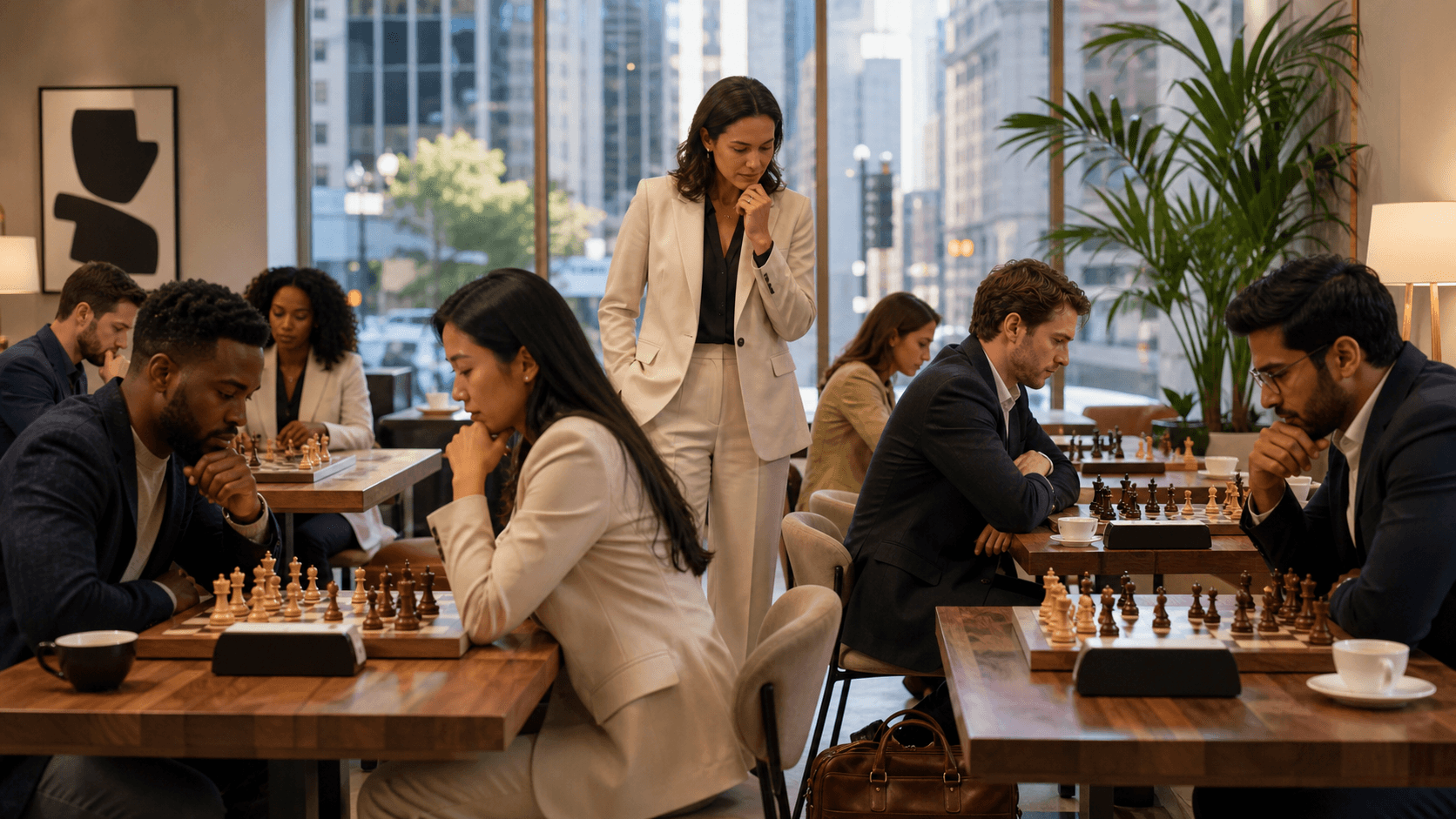
In our Manhattan classes, our coaches pause games around moves 12 to 18 and ask, "What is the idea here?" We are not only hunting for tactics. We are pointing out recurring patterns that show up in round after round, at local scholastic events, at weekend Swiss tournaments in Manhattan, and at larger events like Hunter and other strong New York City competitions.
With fall tournament season coming, the students who understand early-middlegame patterns often decide their games long before any endgame appears on the board. Below, we will walk through the exact types of patterns we are stressing in class and in our online programs so families can connect what they read here with what they see in game scores, homework, and lesson notes.
From Opening Moves to a Plan on Move 10
Many players know a few opening lines, but then feel lost once their "book" memory ends. We work hard on the handoff from opening to middlegame so that around moves 8 to 12, students shift from memorizing to planning.
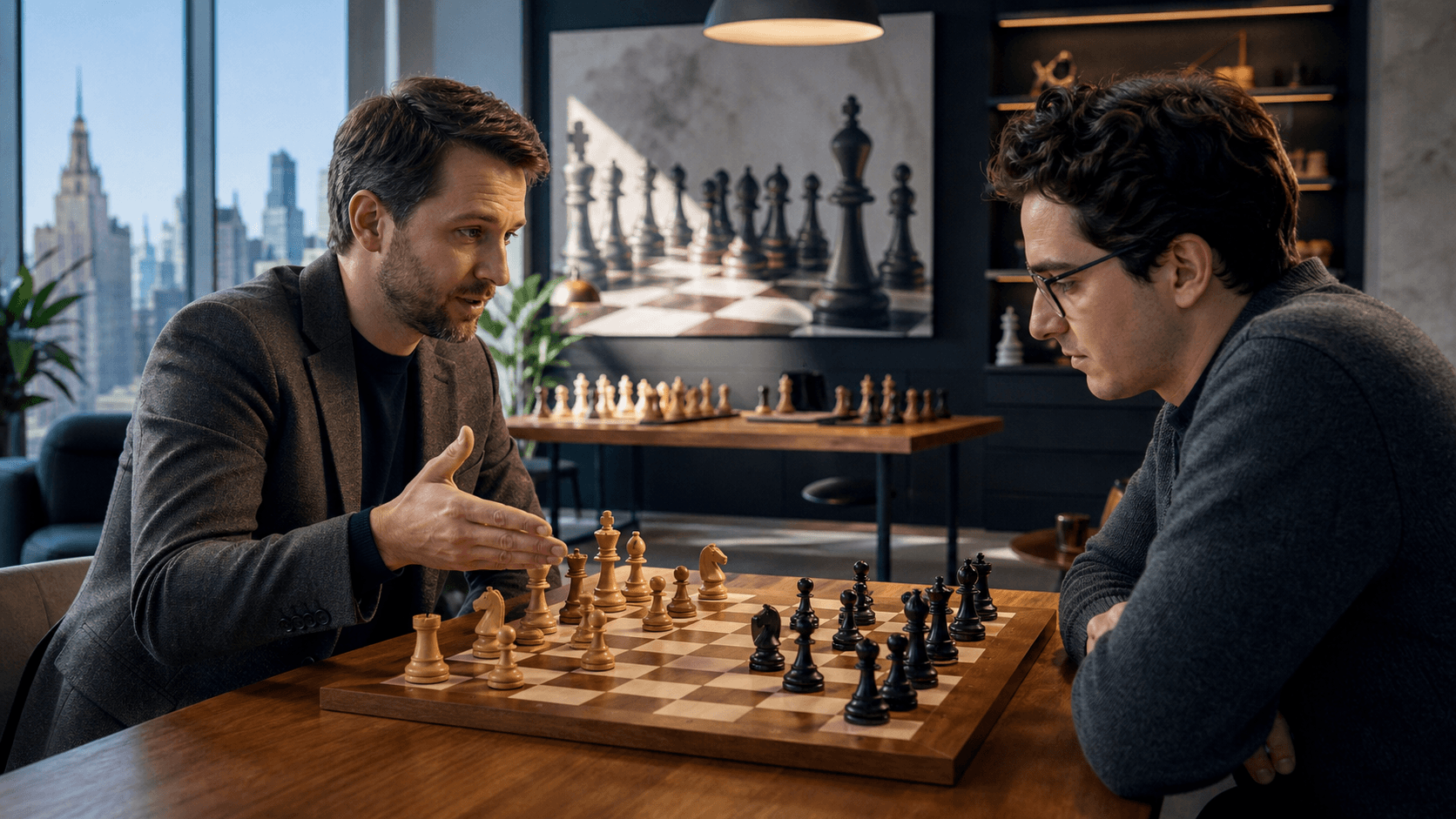
In class, we often freeze a position from a real student game and ask everyone to write down, "What is my plan for the next three moves?" No engines, no long calculation, just a clear human plan based on patterns they know. Common ideas we highlight in this phase include:
- Central pawn breaks like e4, d4, ...e5, or ...c5
- Finishing development before starting any direct attack
- Getting the king castled and the rooks connected
- Avoiding random pawn moves that weaken dark or light squares
Students learn that a good opening is not about playing the "fancy" line from a video. It is about asking simple questions: Which central pawn break fits this position? Which piece is not doing much yet? Is my king safe enough to start active play?
This focus is especially important as many kids pick up new openings around back-to-school time. When a student adds a new system, we show the typical middlegame structures that come from it so they are not surprised when the same pawn skeleton appears again and again in their tournaments.
For families who prefer remote learning, we run this same type of planning work in our live online lessons. Students share their games, we stop at critical early-middlegame moments, and they must choose plans just as they would at the board. You can learn more about how we structure those sessions in our online lessons section.
Classic Piece Coordination Patterns We Drill Weekly
Once students can turn an opening into a plan, the next step is learning how pieces work together. Every week, our Manhattan groups drill classic coordination patterns that appear in almost every serious game.
Some of the formations we return to again and again are:
- Knight outposts on strong central or near-central squares
- Rooks on open and half-open files, especially behind their own pawns
- Bishops on long diagonals, pointing toward the enemy king or key pawns
- Queen and rook "battery" setups, either on a file or a rank
In class, coaches set up positions from recent weekend events or from our own students' games. Everyone predicts how the pieces should coordinate over the next three to five moves. Students are not trying to find a one-move trick. They are learning to see that the rook belongs on the open file, that the knight should head toward an outpost, or that a bishop is much stronger on a different diagonal.
This pattern work has a very practical payoff. When students recognize these setups, they do not need to burn minutes on every move. They see "rook to the open file" or "knight to the outpost" as automatic ideas, which saves time and energy during long rounds at events all across Manhattan and beyond.
To keep parents in the loop, we like to echo these same patterns in our newsletters. Often there is a "pattern of the week" diagram that matches exactly what students are solving in class, so families can watch the same formations grow more familiar over time.
Attacking Templates Every Young Competitor Must Know
When kids think about middlegame chess, they often think about attacking. We agree that attack is fun, but we teach it in a structured way using classic attacking templates.
Some of the attacking patterns we are highlighting this fall are:
- The minority attack on the queenside in common pawn structures
- Kingside pawn storms when the kings are castled on opposite sides
- Sacrifices on h7 or h2 when the opponent's king is weak and pieces are ready
In all of these themes, we focus on the buildup, not just the final blow. Students learn to ask: Which of my pieces is worst and needs improvement? Do I need to double rooks first? Is it time for a pawn break yet, or should I wait one more move?
For example, instead of rushing a sacrifice on h7, we show how strong players first bring a rook to the third rank, line up the queen and bishop, and only then open lines. Students see that a good attack is patient and based on patterns that repeat from game to game.
To prepare for upcoming scholastic and open tournaments, both our Manhattan and online groups get themed homework games to review. A student might be asked to find every moment in a game where a queenside minority attack was possible, or to mark the move where a kingside pawn storm should have started. At home, parents will often see these same labels in class reports and post-tournament feedback, so they can tell when their child is practicing a specific attacking model.
Converting Small Advantages Before Time Trouble
Many growing players can attack when the position is sharp, but they struggle to win "slightly better" positions. We treat this as a core middlegame skill. Learning how to convert a small plus into a full point is what turns draws into wins during long weekend rounds.
In class, we emphasize a few key patterns for conversion:
- Improving piece activity one piece at a time
- Creating a second weakness instead of hitting the same pawn forever
- Trading into an endgame only when structure and piece activity favor you
Coaches often bring in recent games from our own students and show where a space edge, better minor piece, or healthier pawn structure could have been pressed more clearly. Maybe a student had more space but swapped off the good bishop for no reason, or traded queens into an equal endgame when keeping pieces on the board made more sense.
By seeing these situations right after local tournaments, students connect the lesson with something that just happened at the board. Over time, they start to recognize the same conversion patterns during their own games and feel more confident playing for a win without forcing things or falling into time trouble.
Families who want extra focused practice sometimes pair this work with our camps and seasonal programs, like our sessions in Central Park, which you can explore through our Central Park camp information. These programs give students many slow games with feedback on exactly these early-middlegame decisions.
Turning Patterns Into Performance This Fall
As the school year settles in and the New York tournament calendar fills with events across Manhattan, at Hunter, and at other local venues, these early-middlegame patterns come up again and again. Students who keep seeing the same ideas in class, in homework, and at the board start to trust their instincts more.
Families can help by building a simple at-home routine. Once a week, pick one recent game and replay it together. Stop around moves 10 to 18 and ask:
- What was the plan for the next three moves?
- Which piece coordination pattern could I use here?
- Was there an attacking template or a quiet "conversion" idea to follow?
Students who tie these questions back to what we cover in our structured Manhattan sessions and in our live online lessons gain a steady base of early-middlegame chess knowledge. Over time, that base turns into better results at local events, then at bigger city championships, and eventually at regional and national competitions.
For families interested in aligning practice with what we are teaching in class, our programs are organized around exactly these kinds of patterns. Ongoing group work, individual lessons, and special programs are all designed to repeat the same core ideas until they feel natural in real games. Enrollment options and current offerings are easy to explore through our registration page, and from there families can choose the format that best supports their player's growth in middlegame chess.
Strengthen Your Middlegame Skills With Focused Coaching
If you are ready to convert solid openings into winning positions, our coaches can help you target the exact patterns and plans you are missing in middlegame chess. At United States Chess Academy, we work with you over the board to sharpen your calculation, planning, and positional understanding so your results improve in real tournaments. Tell us about your goals and current rating, and we will recommend a training plan that fits your schedule and experience. If you have questions or want to schedule your first session, simply contact us.