Set Your Young Player up for a Calm, Confident Day
A scholastic chess tournament in Manhattan can feel like a lot all at once. You are dealing with trains or traffic, big school buildings, loud skittles rooms, and then suddenly your child is expected to sit quietly and think for two hours. No wonder both parents and kids feel stressed before the first round even starts.
The good news is that small, practical choices about what you pack, what your child wears, and what they eat can make the day feel calmer and more predictable. At United States Chess Academy, our students practice time management, focus, and stamina in class. Tournament day is where those skills meet real life, and the right routine helps them actually use what they worked so hard on.
This guide gives you a simple, Manhattan-tested checklist that lines up with what many of our families are experiencing this season, especially as we head into our upcoming scholastic tournaments and weekend training events. It comes from what we see at local scholastic chess tournaments, including big school events like Hunter, and from the tips our coaches share with families before our own seasonal camps, online programs, and current training cycles.
What to Pack so Your Child Feels Prepared, Not Overloaded
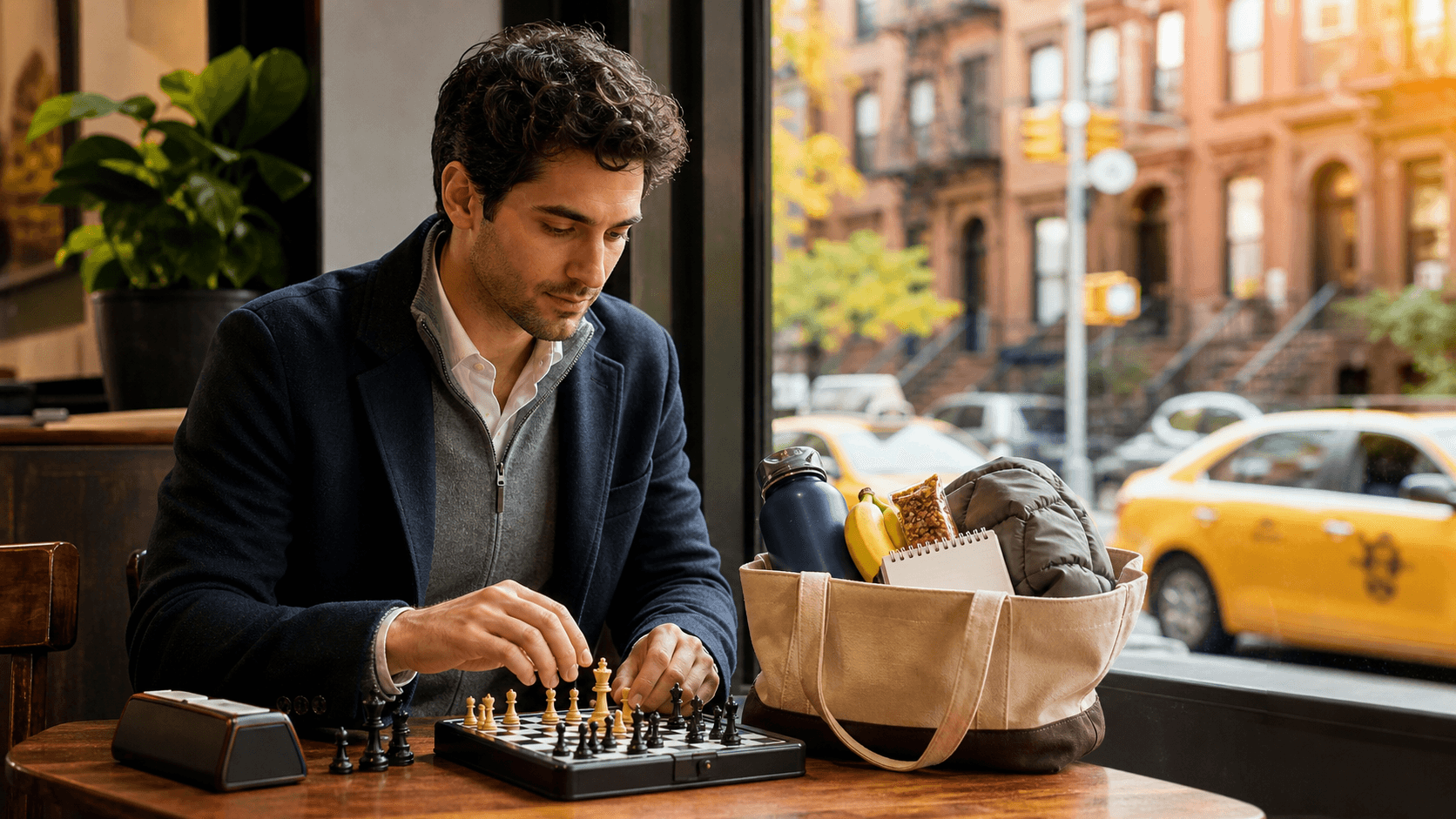
For scholastic chess tournaments in Manhattan, think "small but complete." Your child should feel ready, but not weighed down by a huge duffel.
A compact backpack usually works best. Many tournaments move students between a crowded skittles area, tighter playing rooms, and sometimes even different floors. A clearly labeled bag with your child's name keeps everything together and easy to carry.
Tournament essentials to pack, especially for the upcoming weekend scholastic events and Academy-recommended tournaments:
- US Chess ID and registration confirmation
- Scoresheets and 2 pens or pencils
- Tournament-approved chess set and clock if required by the event
- Refillable water bottle with a tight lid
- Light sweater or hoodie for chilly rooms
- Small notebook for between-round reflections
That notebook is powerful. Our coaches often ask students to write quick notes like "round 2: I played too fast in the opening" or "I was tired on move 30." These short reflections help us review not only moves but also mindset when we see them in class or during online lessons, which many families pair with their tournament schedule this time of year.
For downtime, you want focus boosters, not distractions. Good options include:
- A favorite book
- A simple puzzle workbook
- Printed tactics or endgame sheets that match what they are learning this month in their current Academy class or training group
We strongly suggest keeping phones and tablets in your own bag, not your child's, or leaving them off between rounds. Screens pull kids out of a chess mindset. It is harder to switch from a fast, bright game to a slow, quiet board in a crowded tournament hall.
Parents also need a mini "kit":
- Portable phone charger
- Printed schedule and address for the specific tournament
- Notes section for key game moments to share with coaches in the next class or lesson
- Any current Academy materials, like camp review notebooks or worksheets from recent classes and the training cycle leading up to the tournament
Some families keep a reusable "tournament folder" that lives inside the backpack. Over time, this becomes a steady part of the routine, just like bringing a ball to a sports game, and it stays consistent from one Academy-supported tournament to the next.
Tournament-Day Clothing That Supports Comfort and Confidence
Manhattan tournaments usually mean lots of walking, temperature changes, and long sitting. Think of your child's outfit as part of their chess equipment.
Indoor spaces can run cool even when outside feels warm, especially in early fall and during our current tournament season. Layers help:
- Soft t-shirt or polo
- Light long-sleeve top or zip-up hoodie
- Comfortable pants or leggings, not stiff jeans
- Closed-toe shoes that are good for walking and stairs
Comfort should win over formality. Your child should be able to sit in the same clothes for a full round without itching, tugging, or squirming. Before tournament day, have them sit at a table for 20 minutes, reach for an imaginary clock, and see if anything feels tight or annoying.
We also like the idea of a "game-time" outfit or style. It does not need to be fancy. It might be:
- A favorite hoodie
- The same type of comfortable pants
- A United States Chess Academy shirt that matches what they wear to class and makes them feel part of a larger group at our recommended tournaments
When kids wear the same style to different events, it becomes a quiet signal to their brain that it is time to focus and play serious chess, just like when we start training games in class.
Try to avoid:
- Noisy jackets that swoosh or crinkle every time they move
- Long, jangling jewelry
- Light-up shoes that blink under the table
Small distractions can bother both your child and the players around them, especially in a silent tournament room.
Smart Fuel: What to Eat Before, During, and After Rounds
A child's brain uses a lot of energy during long games. We talk about "chess stamina" all the time in our camps and Central Park programs, especially when we are outside in fresh air and kids notice how thinking hard can feel like exercise. Food is part of that training, and it becomes especially important during the current stretch of weekend tournaments and Academy events.
For breakfast, aim for steady energy, not sugar spikes. Think:
- Protein like eggs, yogurt, or nut butter
- Complex carbs like oatmeal or whole-grain toast
- Fruit like a banana or berries
Try to avoid only sugary pastries or candy first thing in the morning. Those lead to a quick high, then a crash around move 20 when your child needs to think the most.
Between rounds, a snack strategy really helps. Most Manhattan venues have limited food options, long lines, or only one small deli nearby. Pack:
- Granola or cereal bars
- Trail mix without strong smells
- String cheese or cheese sticks
- Apples, bananas, or clementines
- Crackers or pretzels in small bags
Hydration matters too. A refillable water bottle is key. Encourage small sips during breaks instead of chugging a giant drink right before the next round. Try to skip energy drinks or very sugary sodas that can lead to jitters and then fatigue.
Many scholastic chess tournaments in Manhattan, including big ones held at schools like Hunter and several events on the Academy's current recommended calendar, do not allow food in the playing hall. Plan to eat in skittles or hallway areas and remind your child that snack time is short, so they should eat first, then relax.
After the tournament, a simple "recovery meal" with protein and carbs helps kids feel better, especially if they had a long final round. It also sets the stage for learning. Over dinner, you can ask:
- Which snacks helped you focus?
- Did you feel hungry in any round?
- Did anything upset your stomach?
These answers help you build a personal nutrition plan for the next tournament or the next day of Central Park camp, seasonal clinics, or other Academy programs that your child is currently attending.
Managing Manhattan Logistics Without Burning All Your Energy
City logistics can drain energy before the first move if you are not ready for them. A little planning goes a long way, especially during busy stretches when families may be juggling multiple Academy classes and back-to-back tournaments.
Try to arrive early enough that your child can:
- Use the bathroom
- Find the pairings wall calmly
- Locate the skittles area and a place to keep the backpack
- Say hello to any friends or teammates from their Academy class before sitting down
We usually recommend planning for transit delays, especially on weekends when subway changes are common. A 20 to 30 minute buffer helps everyone breathe.
For transportation, each choice has tradeoffs:
- Subway: usually fastest, but expect crowds and stairs
- Taxi or rideshare: easier with gear, but traffic can be slow
- Walking: great for short distances and light movement between rounds
Whatever you choose, write your phone number inside your child's backpack and agree on a simple meeting spot inside the venue, like "next to the main registration table," in case anyone gets separated.
Between rounds, lower-energy activities keep kids ready for the next game. Good options include:
- Short walk around the block
- Simple stretches
- Quiet tactics sheets that match what we are working on in class this month
- Soft chatter with a friend about plans for the next game, not the last blunder
We suggest skipping intense running games, heavy meals, or long screen time. Those can leave your child tired, scattered, or rushed back into the hall.
Turning Tournament Day Into a Learning Loop
Packing, clothing, food, and travel plans may feel like "extra," but they are all part of building a real tournament routine. Just like your child builds an opening repertoire, they also build a personal way to handle scholastic chess tournaments in Manhattan.
Each event is a test run. After the day ends, you can ask a few simple questions:
- Did our backpack system work?
- Did you feel too hot or too cold in the playing hall?
- Were you hungry or thirsty during any game?
- Did any part of the trip there or back feel stressful?
Bring those observations to your child's next class or lesson so coaches can help connect chess decisions with tournament habits. When we review games, we care about positions, but we also care about what your child felt at the board. That is how we tie everything together with our current training cycles, upcoming tournaments on our calendar, and extra support like online materials you use at home.
Over time, families who think this way turn tournament days from chaotic one-offs into steady learning loops. The board stays the same, but your child arrives calmer, better fueled, and more confident each time. With that kind of routine, every Manhattan event, from local school events to larger scholastic championships highlighted in our newsletters and seasonal programs, becomes another step in your child's long-term growth as a player and as a focused, resilient learner.
Help Your Young Player Grow Through Competitive Chess
If your child is ready to take the next step in their chess journey, we invite you to explore our scholastic chess tournaments in Manhattan. At United States Chess Academy, we create a structured, supportive environment where students can test their skills, learn from real games, and build confidence. You can reach out anytime to ask questions about upcoming events or eligibility using our contact page.