Everyday Chess Training Routines Manhattan Families Can Actually Keep
A strong chess habit does not need hours of study or silence that does not exist in a New York apartment. What really works is a simple routine that fits between homework, dinner, activities, and subway rides. Small, steady steps add up, especially for kids who are already juggling school and other interests.
At United States Chess Academy in Manhattan, we see that steady progress usually comes from families who keep short, repeatable routines. Not from marathon study days. Here we will share practical routines that match what our coaches give in classes and newsletters, and that work in real Manhattan life, with small spaces, long commutes, and full calendars.
Daily Chess Habits Manhattan Families Can Keep Up With
Early in the school year is a great time to build new habits. Schedules are still forming, afterschool plans are coming together, and families are trying to decide which activities really matter. This is the perfect moment to set up a chess plan that will still feel doable in a few months.
What we see again and again at the Academy is simple:
- Kids who do a little bit of chess often tend to remember more
- Kids who only do big chunks once in a while tend to forget between sessions
Most Manhattan families do not have an extra hour every night. That is why we focus on short, clear routines that match what students see at our boards each week. When home practice and class themes line up, kids feel less confused and more confident.
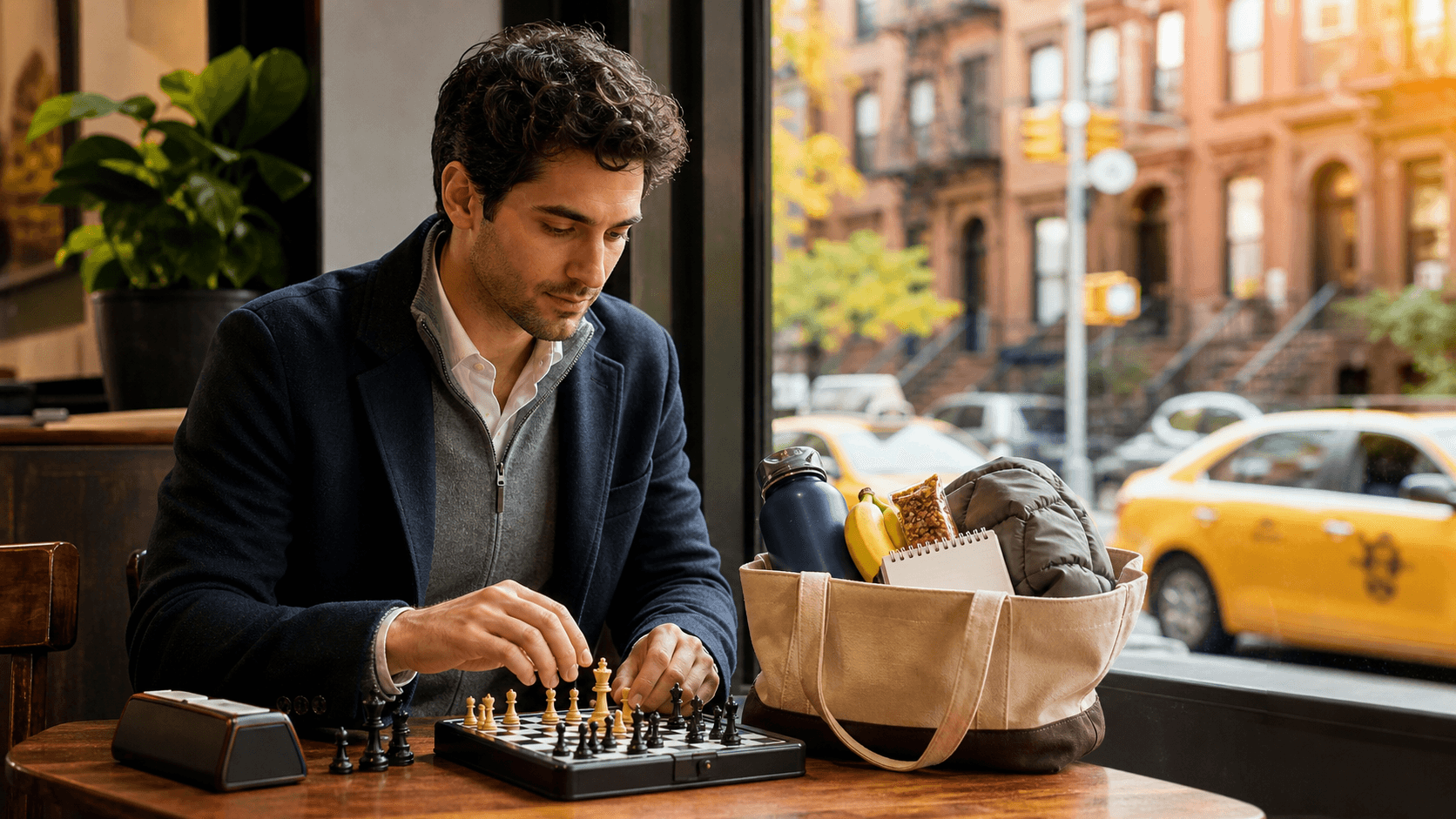
We also keep apartment life in mind. You do not need a huge table, a perfect study corner, or a full library of chess books. A travel set on the coffee table, a tablet on the couch, or even a notepad on the subway can all work for daily chess training in Manhattan, as long as the routine is clear and repeatable.
Building a 15 Minute School-Night Chess Routine
A realistic school night routine should fit between homework and bedtime without creating stress. We like a simple 15 minute plan that many students already use with our coaches.
Try this three-part structure:
- 5 minutes: Tactics
- 5 minutes: One game position
- 5 minutes: Fast game or puzzle race
For tactics, you can use:
- Tactic sheets sent home from classes
- Weekly problems from our email updates
- Positions noted in your child's class notebook
This way you are not searching for random apps or videos every night. Your child sees the same patterns at home that they saw during their United States Chess Academy lesson.
For the 5 minute game position, pick one key moment from a recent class game. Ask questions like:
- Who is better and why?
- What are three moves you would consider?
- What is the opponent's main threat?
Then, finish with something active. Either a 5 minute online game with a clear time control, or a quick race to solve two or three short puzzles. The goal is energy and focus, not perfection.
Parents do not need to play chess to help. Here are easy support roles:
- Set a timer for each 5 minute block
- Ask your child to "teach back" one idea from class, like "what is a fork?"
- Keep a simple weekly checklist from the coach and mark off each night
If you do know chess, you can sit and look at the position together, but you still do not need to coach deeply. The main job is to protect that 15 minute space so it becomes a habit.
Weekend Routines That Support Tournament Readiness
Weekends are the best time to build skills that matter for tournaments, including Manhattan events like Hunter tournaments, local scholastic events, and our own in-house rounds. Here a 45 to 60 minute block can make a big difference without taking over the whole day.
Try this weekend structure:
- 25 to 35 minutes: One longer game
- 10 minutes: Notation practice
- 10 to 15 minutes: Endgame exercise and review
Set up a real board if you can. Use a clock if you have one, with a slower time control than online blitz. The goal is for kids to get used to thinking without rushing, just like they will do at in-person tournaments across the city.
To simulate real conditions:
- Turn off TV and extra devices
- Pick one quiet corner and call it "tournament space"
- Have kids sit across from a real person when possible
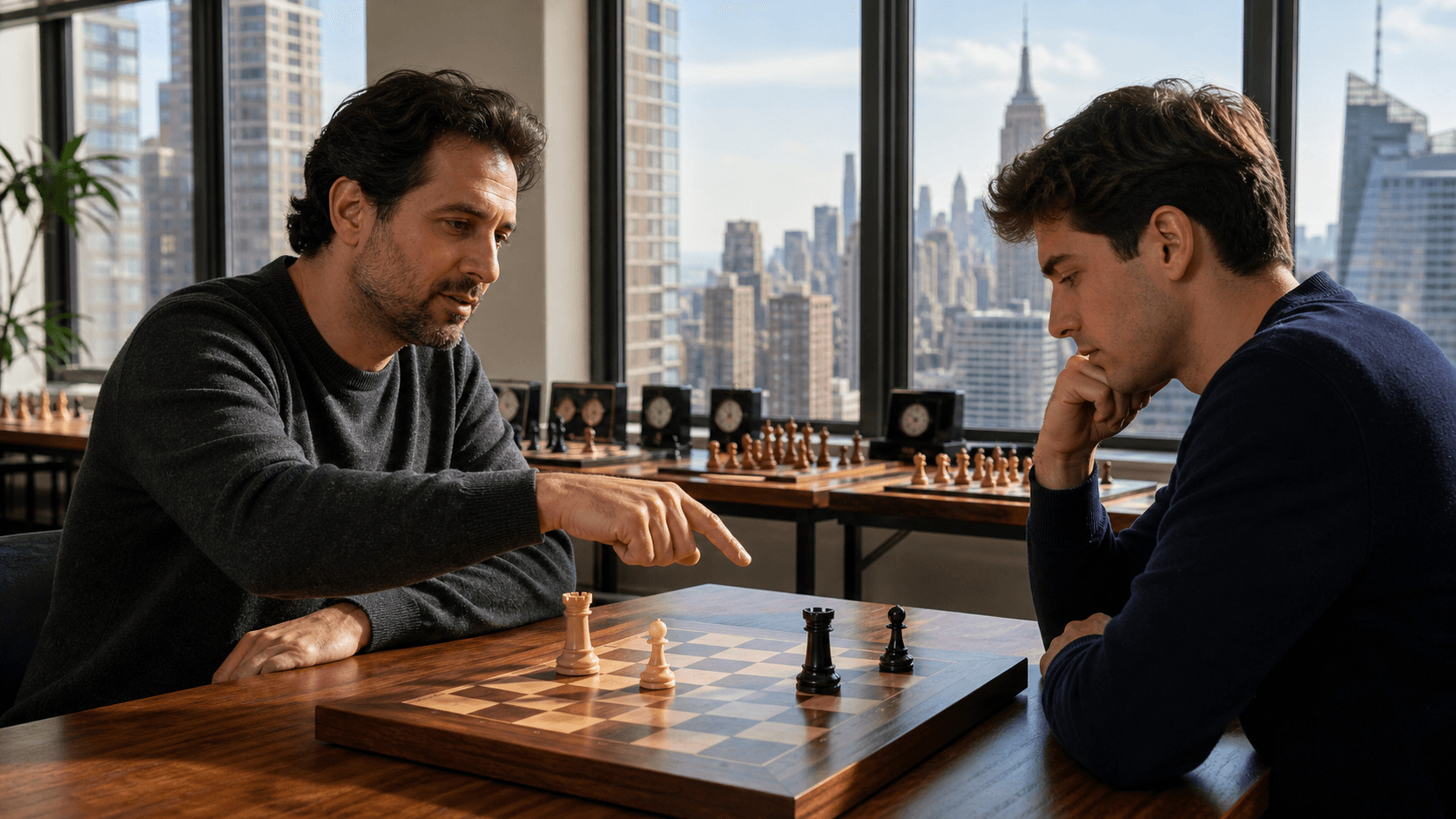
Notation is a big part of tournament play. During the longer game, ask your child to write down each move. If you are not sure how to read it, that is fine; your child can explain. Many coaches at United States Chess Academy send home simple notation sheets you can use.
End the session with a short endgame or review, similar to what we do in practice rounds at the Academy. Look at three or four key moments from the game and ask:
- Where did you feel good about your move?
- Where did you feel unsure?
- What would you try differently next time?
These review habits help kids feel more at home when they sit down for tournaments at the Academy, at Hunter, or at other Manhattan schools, because the post-game conversation already feels normal.
Smart Use of Commutes and Screen Time for Chess Training
Manhattan families spend a lot of time moving: walking to school, riding the subway, sitting in a cab or car share. This is actually prime time for light chess training.
Here are simple ideas for transit:
- Solve 3 to 5 tactical puzzles on a phone or tablet
- Look at one position from the week's lesson and talk through ideas
- Listen to a short game summary or lesson audio recommended by a coach
On screen time, we suggest short, focused sessions instead of endless online play. Ten to twenty minutes of serious online chess can be more useful than an hour of half-distracted games. Our coaches often share:
- Which platforms to use
- What time controls fit each student
- How many games to play in one sitting
During that time, set clear rules: no chatting, no videos in another window, and no switching apps. One activity at a time helps kids build the kind of focus they need for real boards.
We also like to connect digital practice to the theme of the month. For example:
- If the class focus is pins and forks, ask your child to search for those ideas in online puzzles
- If the focus is opening principles, have them start every online game with the same opening they are learning in class
When home practice on screens matches the topic from the latest lesson or from an online class, kids improve faster and feel less scattered.
Simple Pre-Tournament Routines for Kids and Parents
The week before a tournament in Manhattan can feel busy. A light, clear plan keeps things calm and steady.
Here is a simple Monday to Friday checklist:
- 10 minutes of tactics each day
- Review one past game or key position from class during the week
- Check equipment midweek so there is no rush: board, pieces, scoresheet, snacks
This is very similar to the prep emails we share before our events and before popular scholastic tournaments around the city.
On game day, a calm rhythm helps:
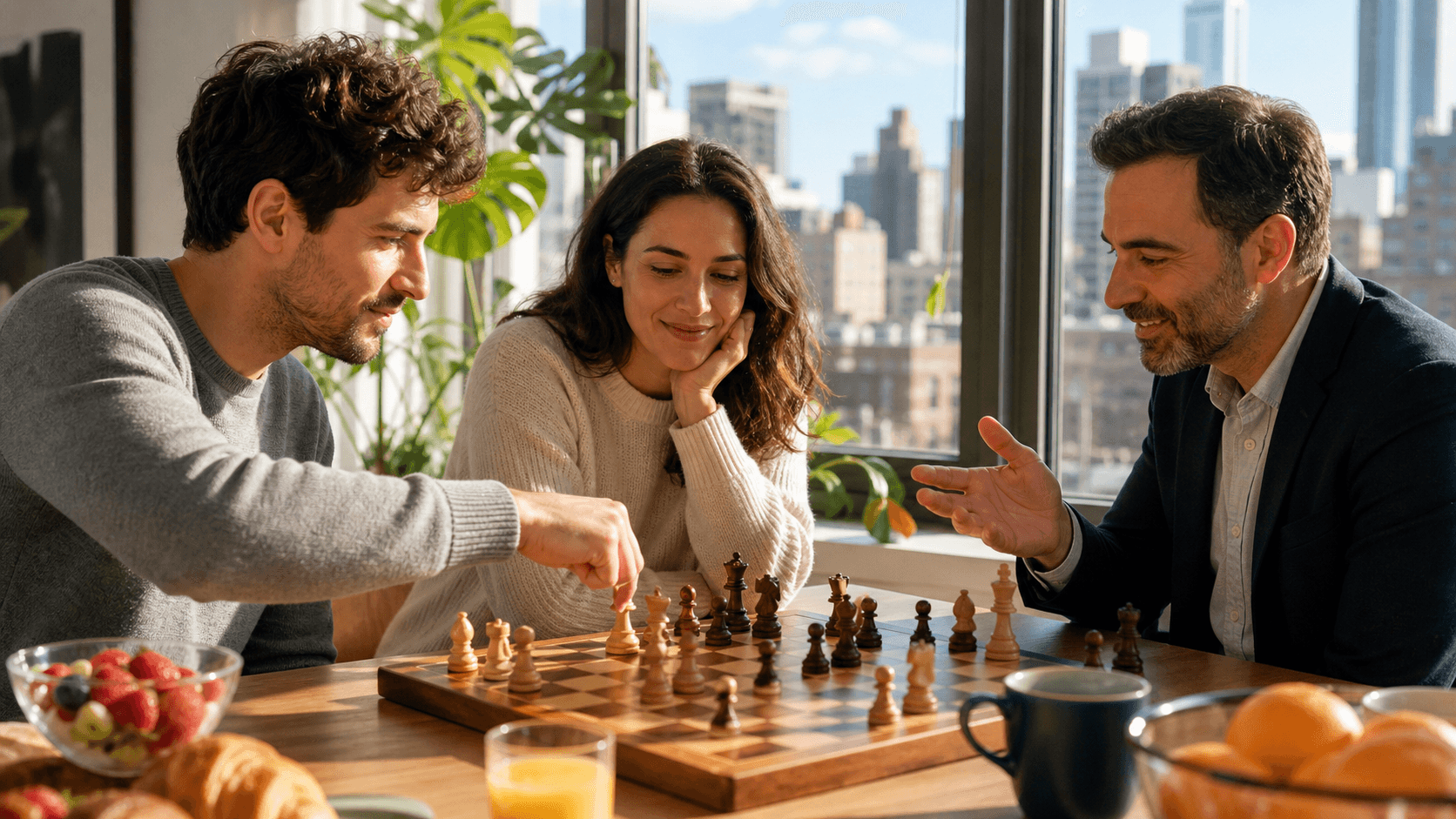
- A normal, healthy breakfast
- A quick look at coach reminders: touch-move, shaking hands, no talking during games, take your time
- 5 to 10 minutes of quiet breathing or simple visualization, like seeing the board and reminding themselves to check for checks and captures before every move
Parents play a big role here. Helpful support might look like:
- Handling travel, check-in, and finding the right room
- Making sure kids drink water and have small snacks between rounds
- Using the same growth mindset language coaches use, such as "What did you learn?" instead of "Did you win?"
When kids hear the same tone at home, at the tournament, and at the Academy, they stay more relaxed and focused on learning, not just on results.
Keeping Chess Fun and Sustainable All Year Long
Long-term success in chess training in Manhattan comes from routines that change slightly with the seasons, but always stay manageable. You can match home habits to what is happening at our school.
A simple way to rotate:
- Fall, focus on basics and building daily habits
- Winter, add more serious tournament prep and weekend practice games
- Spring, let kids experiment with new openings and creative ideas
- Summer, lean into camps, outdoor events like Central Park chess camp, and relaxed casual games
You can also tie weekly goals to our community events, like in-house tournaments, theme weeks, and citywide scholastic events at schools across Manhattan. For example, if there is a tournament coming up, bump weekend training from 45 minutes to an hour. If camp is around the corner, keep school-night routines light so kids arrive eager to play.
To keep things simple, choose:
- One school-night routine, like the 15 minute plan
- One weekend routine, like the longer game plus review
Then, keep these flexible. When life gets busy, even 5 minutes of tactics on the subway is better than skipping chess entirely. When you have more space, you can add an extra practice game or join an additional program for a season.
With small, steady routines that match what coaches are already teaching, Manhattan families can keep chess fun, consistent, and meaningful all year long.
Boost Your Child's Strategic Skills With Expert Chess Coaching
Give your young player a structured path to improvement with our focused chess training in Manhattan. At United States Chess Academy, we combine engaging lessons with practical play so students build real confidence over the board. If you have questions about levels, schedules, or enrollment, simply contact us. Reserve a spot today so your child can start turning curiosity into lasting chess skills.