Turning Summer Skills Into Fall Endgame Confidence
Strong endgame play is often the difference between a nice position and a full point on the pairing sheet. Many NYC kids spent the summer sharpening openings and tactics, then step into fall tournaments at Hunter, local scholastics, and Manhattan events ready for battle. What they often discover is that their games are decided in quiet positions with just a few pieces left. That is where confidence matters most.
Right now, as students head back to school, weekend calendars start to fill with USCF-rated events, including our own tournaments at United States Chess Academy. Families reading lesson emails and newsletters are seeing a clear theme: coaches are helping kids turn summer skills into fall endgame confidence. The focus is not fancy theory, but practical habits that help young players win better positions and save worse ones when it counts.
We see many students who already know plenty of openings and middlegame chess ideas. They can attack, they can castle, they can spot a simple tactic. But when queens come off, their plans often vanish. Our goal in class is to connect everything together, so your child is not just playing "moves" but playing with an endgame in mind.
Why Endgames Decide So Many NYC Tournament Games
At local USCF events across Manhattan, the pattern is clear. Kids play the opening well, pieces fly around in the middlegame, then suddenly half the board is empty and it is an endgame. This is where many young players:
- Panic in time trouble
- Rush trades without a plan
- Forget simple basics like king activity
- Accept draws in winning positions
Long tournament days, crowded rooms, and city noise can make it hard for kids to stay calm late in the round. By the fourth or fifth game of a Sunday tournament, even strong students feel tired. Endgames expose that, because there is no easy checkmate to aim at. They need simple, clear decisions.
This is why calm endgame decision-making becomes such a big edge. A child who knows how to keep their king active, push a passed pawn, or trade into a winning pawn ending can turn a half-point into a full point. That single point often decides trophies at events like Hunter and other popular scholastic tournaments around the city.
At United States Chess Academy, our training is built around those real situations. In weekly classes and in our USCF-rated quads, we build positions that often lead to endgames. Students then play them out under tournament conditions. Our in-house practice events are set up so kids feel the same pressure they will feel at their next big Manhattan tournament, but with coaches nearby to help them understand what happened afterwards.
How Our Coaches Build Endgame Habits That Stick
Endgame confidence grows from small, steady habits, not from memorizing thick books. During group lessons at our Manhattan school and online, our coaches use routines that students begin to expect each week.
Some of the staples are:
- Short endgame "warm-ups" at the start of class
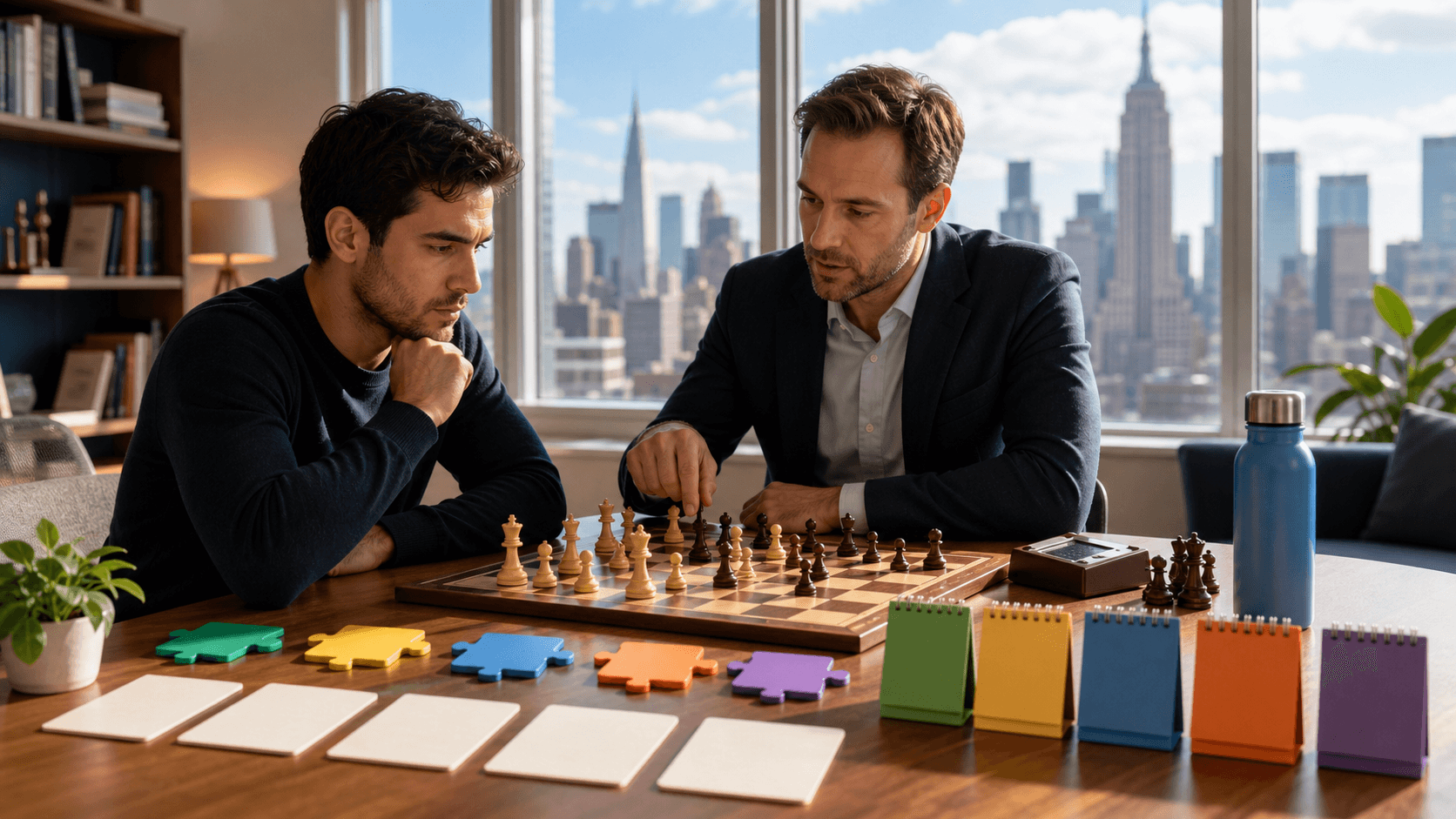
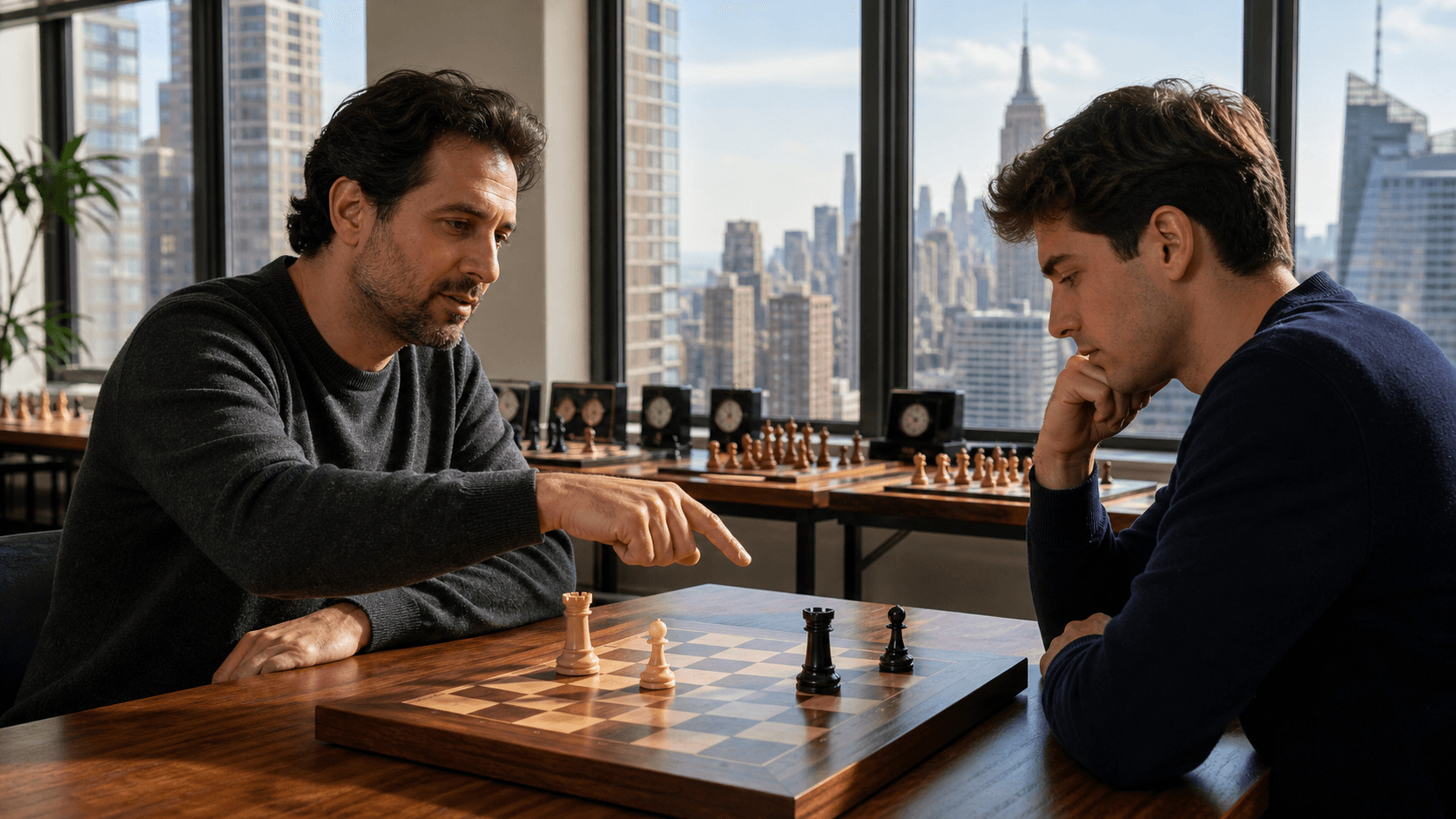
- Coach-led board demonstrations of key positions
- Timed drills like king and pawn against king with only seconds left
- Side-by-side comparisons of winning vs. drawing techniques
Our titled coaches are very good at turning complex positions into simple rules kids can remember under pressure. Instead of long lectures, they give clear ideas like:
- Activate your king early in the endgame
- Passed pawns like to run, but they need helpers
- Rooks belong behind passed pawns
- Trade pieces when winning material, not when behind in development
We match these lessons with what families see in their inbox. Homework includes curated endgame puzzles and basic study plans for each level. A newer player might review simple checkmates, while advanced students tackle rook endings that regularly show up in USCF tournaments. What kids solve at home often appears in upcoming practice games, so they feel a direct payoff from that extra effort.
If your child prefers learning from home, our coaches also run structured online lessons that follow the same endgame-focused routines, so the message stays consistent.
Connecting Middlegame Chess Plans to Endgame Wins
Endgames do not appear out of nowhere; they grow out of the middlegame. One of the biggest steps in a child's growth is learning to think, "If I trade now, what kind of endgame am I heading toward?"
During this season's lessons, coaches help students look at a position and ask:
- Which pawn structure will I have after trades?
- Will my king be safer in the endgame than my opponent's king?
- Which pieces do I want to keep for an attack, and which are good to trade?
We use themes like:
- Turning a small middlegame advantage into a winning rook endgame
- Simplifying safely against a lower-rated opponent in USCF events
- Avoiding pawn weaknesses that become targets in the endgame
Students bring in their scoresheets from tournaments around the city, including events at Hunter and other Manhattan scholastics. In review sessions, a coach will go through the game and point to a key moment: "Here, if you had traded queens, the resulting rook ending would have been much easier for you." That link between middlegame chess plans and the final result helps kids see why endgames are not just a separate topic, but part of every decision.
Parents recognize these moments too. It is common to see a pairing sheet that shows a last-round loss after a long, hard-fought game. When we review that game in class or online, we can show where a different choice in the middlegame would have produced an endgame their child already knows how to win.
Game Simulations That Mirror Real Fall Tournaments
Knowing theory is one thing. Using it with a ticking clock, a noisy hallway, and tired eyes is something else. That is why we run simulations in our classes and camps that look and feel like real NYC tournaments.
A typical training session might include:
- Clocks set to standard scholastic time controls
- Notation required from move one
- Strict touch-move rules
- Quiet room policies like in real tournament halls
We often start from simplified positions taken from our students' actual games. For example, we might place a rook and some pawns on the board and say, "This is where many kids arrived last weekend. Now you try, with five minutes each." It turns an abstract lesson into a lived experience.
Coaches rotate roles in these simulations. Sometimes they play the "opponent" so kids practice defending or converting a lead. Sometimes they act as arbiter, answering rule questions and clock issues. After the game, they shift into advisor mode, showing better moves and explaining how to manage energy late in the day.
Our schedule of in-house events, USCF-rated quads, and seasonal programs gives students multiple rehearsals before big tournaments. Even in our outdoor Central Park camp, we bring out clocks and create realistic endgame scenarios so kids associate serious play with fun, active environments too.
When families register for upcoming classes or events through our online cart, they often tell us they like this "practice first" approach. By the time a child sits down for their next rated game, they have already lived through similar endgames many times.
Action Steps Families Can Take Before the Next Pairings
Endgame confidence does not require hours of study every day. Short, simple routines at home can make a big difference between now and your child's next tournament.
Here are a few ideas that fit into a busy NYC week:
- Do a 10-minute nightly endgame drill, such as basic king and pawn endings
- Play one or two weekend practice games that start from a simple endgame position
- Review one recent tournament game together and stop where most pieces came off
- Ask your child to explain the "rule" behind a move, not just the move itself
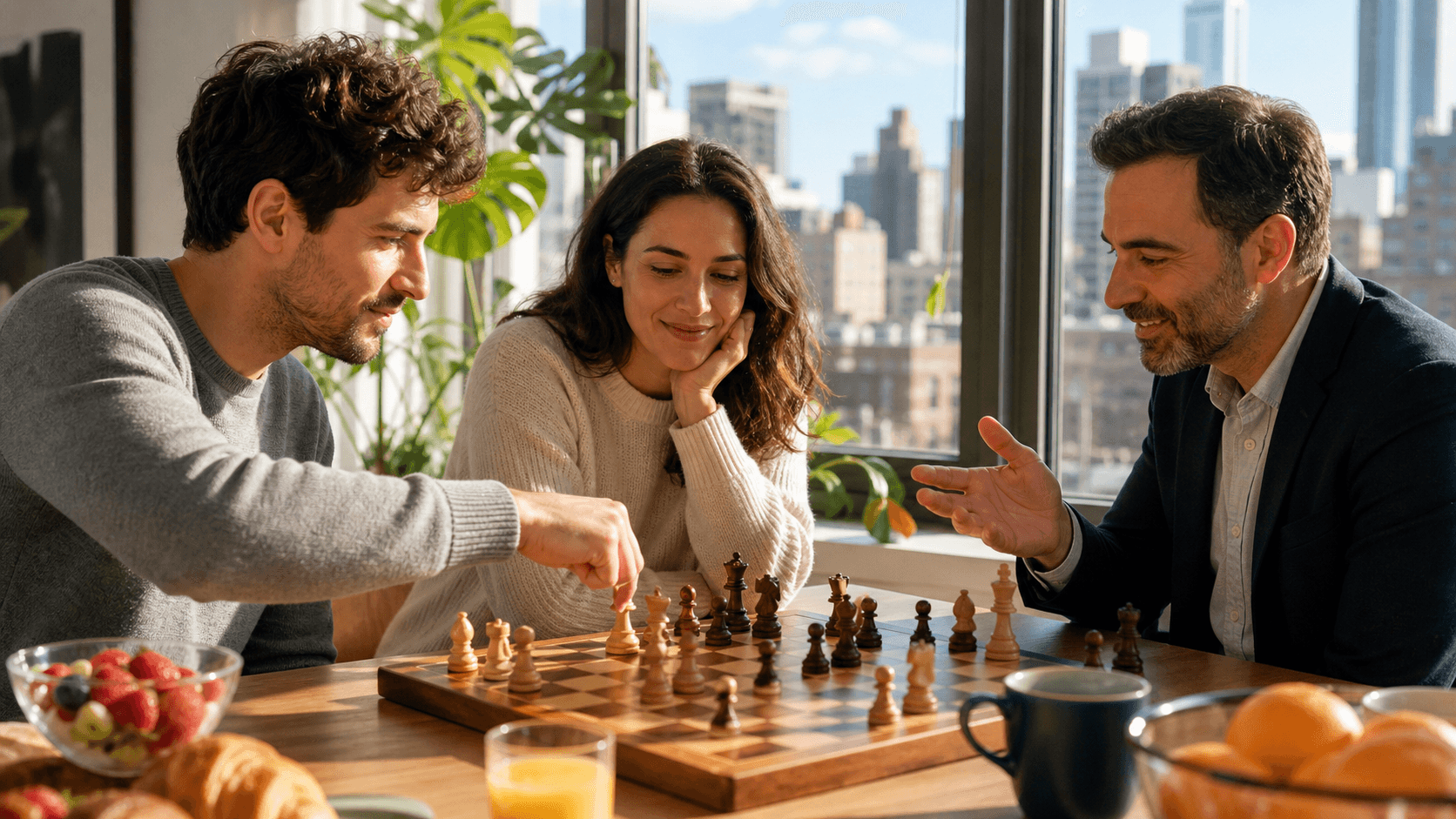
Small habits like these support what kids are doing in class. Parents do not need to be chess experts. Just helping your child set a clock, keep notation, and replay endings from their own games already builds strong learning.
We also suggest that families choose one clear goal for the season. For example, "Handle rook endgames calmly" or "Know how to win king and pawn against king." When students and coaches share a simple focus, lessons, homework, and tournament reviews all point in the same direction. Over time, your child starts to feel something very important at the board: quiet confidence when pieces come off.
That confidence is what carries them through long Saturdays and Sundays in the city, from the opening at move one to the final handshake in the endgame.
Strengthen Your Middlegame To Convert More Winning Positions
If you are ready to stop letting promising positions slip away, our coaches at United States Chess Academy are here to help you build a confident, structured approach to middlegame chess. We focus on practical patterns, planning, and calculation so you can turn small advantages into full points. Have questions about the right training plan for your rating and goals? Simply contact us and we will recommend a personalized path forward.