What Summer Chess Classes in Manhattan Feel Like Inside USCA
Summer chess should feel like progress, not like extra homework. When students walk into our Manhattan classroom, the goal is simple: help them get better fast, feel confident in real games, and actually enjoy spending a sunny afternoon at a chess board. If you are curious what that looks like from the inside, you are in the right place.
We will walk through a typical day in our summer chess classes in Manhattan, what happens during a real session, how our coaches teach, and how everything connects to the specific tournaments and programs we are running this summer. By the end, you will have a clear picture of what it feels like to train seriously while still having fun.
Stepping Into a Summer That Actually Thinks Ahead
Outside our doors, you hear car horns, fast footsteps, and that steady New York hum. Inside, the sound changes. You get the soft click of chess clocks, pieces being set up, and quiet excitement as students greet each other and argue about the best opening against the Sicilian.
Summer feels different from the school year. There is more time to think, and more space to stretch. With longer classes and fewer school obligations, students can finally dig into the things that get rushed during busy months, like:
- Deep analysis of games instead of quick reviews
- Themed training blocks that last a full week or more
- Practice plans that lead toward the exact late-summer and early-fall events on our calendar
From the first day, we make it clear that summer at our academy is not random. Each student has a goal, big or small. Some want to be ready for their first rated event. Others are aiming to perform better at USCA tournaments hosted in Manhattan, such as our upcoming weekend scholastic events and seasonal USCA Championships, or at strong school tournaments they have circled on their calendar. If you're mapping out those dates, it helps to keep an eye on the Little House of Chess scholastic tournament calendar, which includes staples like the Hunter Chess Tournament.
What a Real Summer Class Looks Like From the Inside
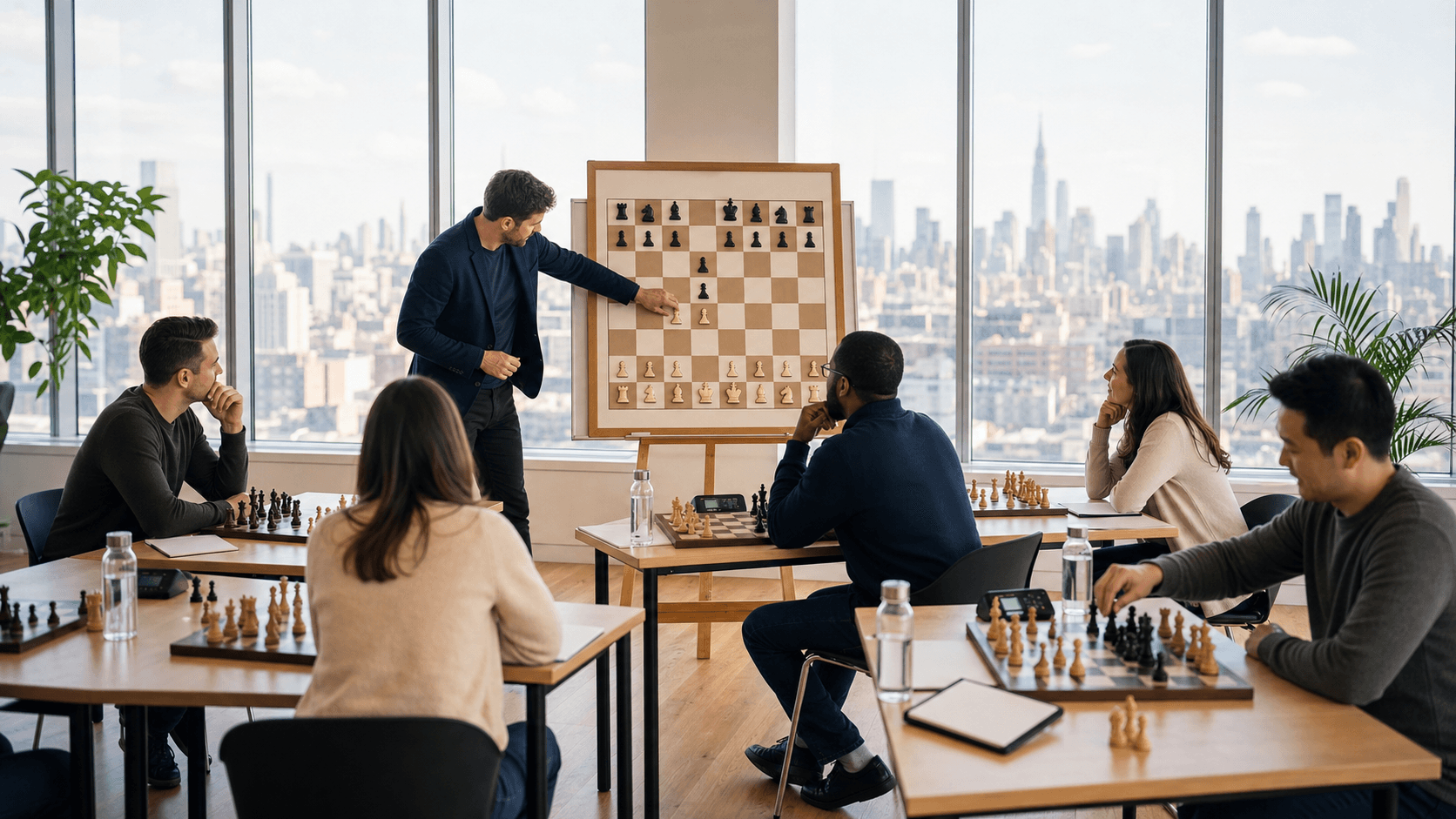
A typical summer class runs about two to three hours. It is long enough to get serious work done, but broken into parts so it does not feel draining. A common session might look like this:
- Warm-up puzzles on the board or screen
- Short concept lesson tied to the weekly theme
- Guided training games with clocks
- Post-game analysis and concrete takeaways
Warm-up puzzles wake up the chess brain. Students might race to spot a two-move tactic or a simple mate. Then we switch to a focused lesson, often around a single idea: a key endgame pattern, a common tactical motif, or a useful opening structure.
These weekly themes match what families see in our newsletters. For example, if the newsletter is highlighting our "Tactics in Tournament Time" focus for the week, the classroom lesson that day will center on the same ideas, so kids hear consistent messages online, at home, and in class.
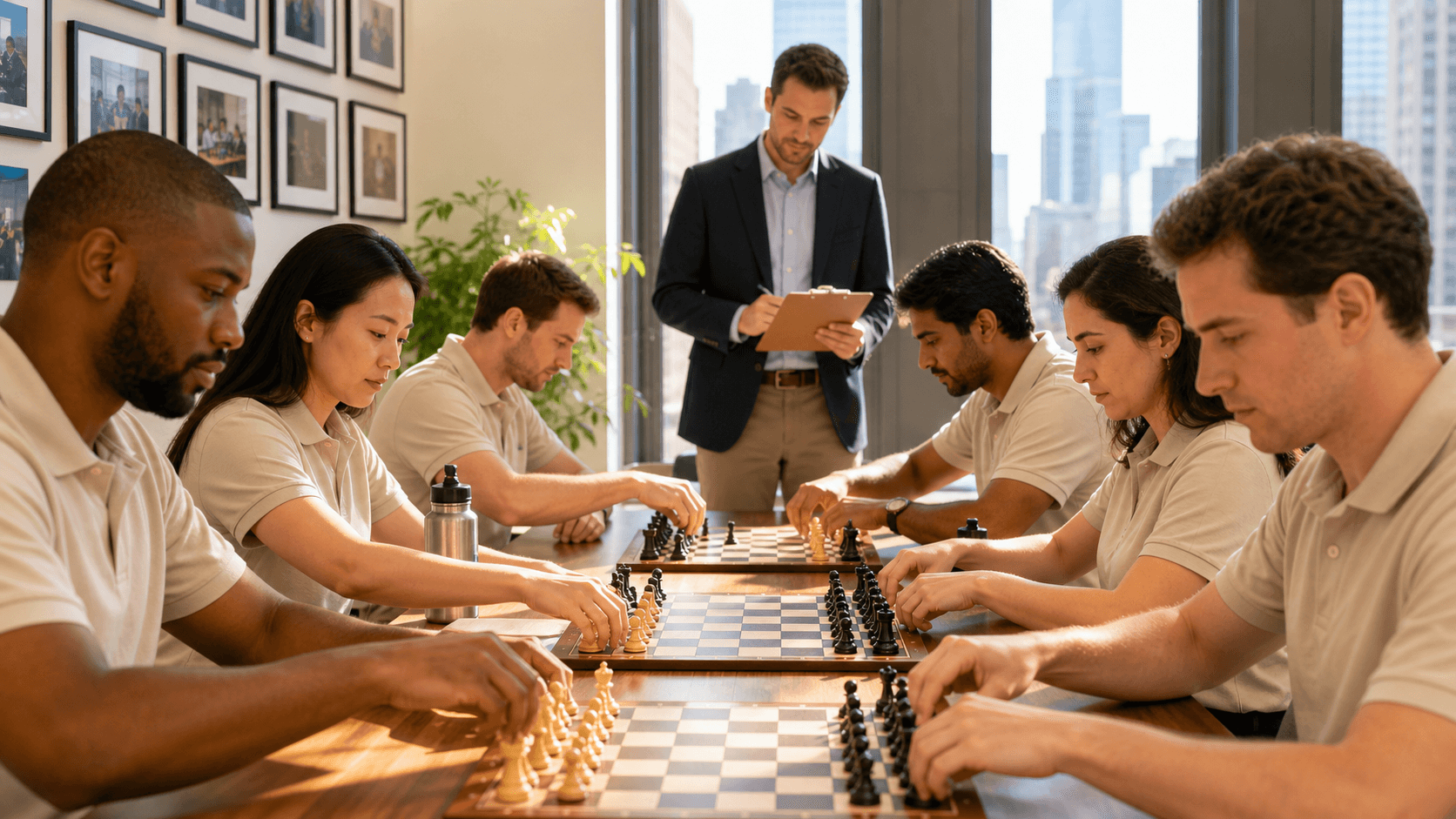
During training games, everyone plays with a purpose. We use time controls similar to local scholastic and club events, including the controls we use in our upcoming USCA weekend tournaments and seasonal championship series, so that habits built in class carry straight into real competitions. Coaches walk around, watch quietly, and step in only when it helps. Between rounds, there is quick feedback and a new micro-goal for the next game, something like:
- "Castle by move 10 in every game."
- "Use all your pieces before you start attacking."
- "Write down every move clearly, no skipping."
Different levels experience the same class in very different ways. Newer players might spend a whole session getting comfortable with:
- Not leaving pieces hanging
- Basic checkmates with queen and king
- Simple opening rules like developing knights and bishops early
More advanced students are in the same room but on a deeper track. They may be asked to:
- Calculate forcing lines several moves ahead
- Convert a tiny material or space edge into a win
- Manage their clock so they do not end in time trouble
The result is one shared class energy, but with individual paths inside it, all pointing toward the same upcoming camps, leagues, and tournaments we are currently running.
Coaches Who Play Like Pros and Teach Like Mentors
Our coaches are titled players, including FIDE Masters, International Masters, and Grandmasters. They think at a high level, but they also know how to slow down their process so students can follow along.
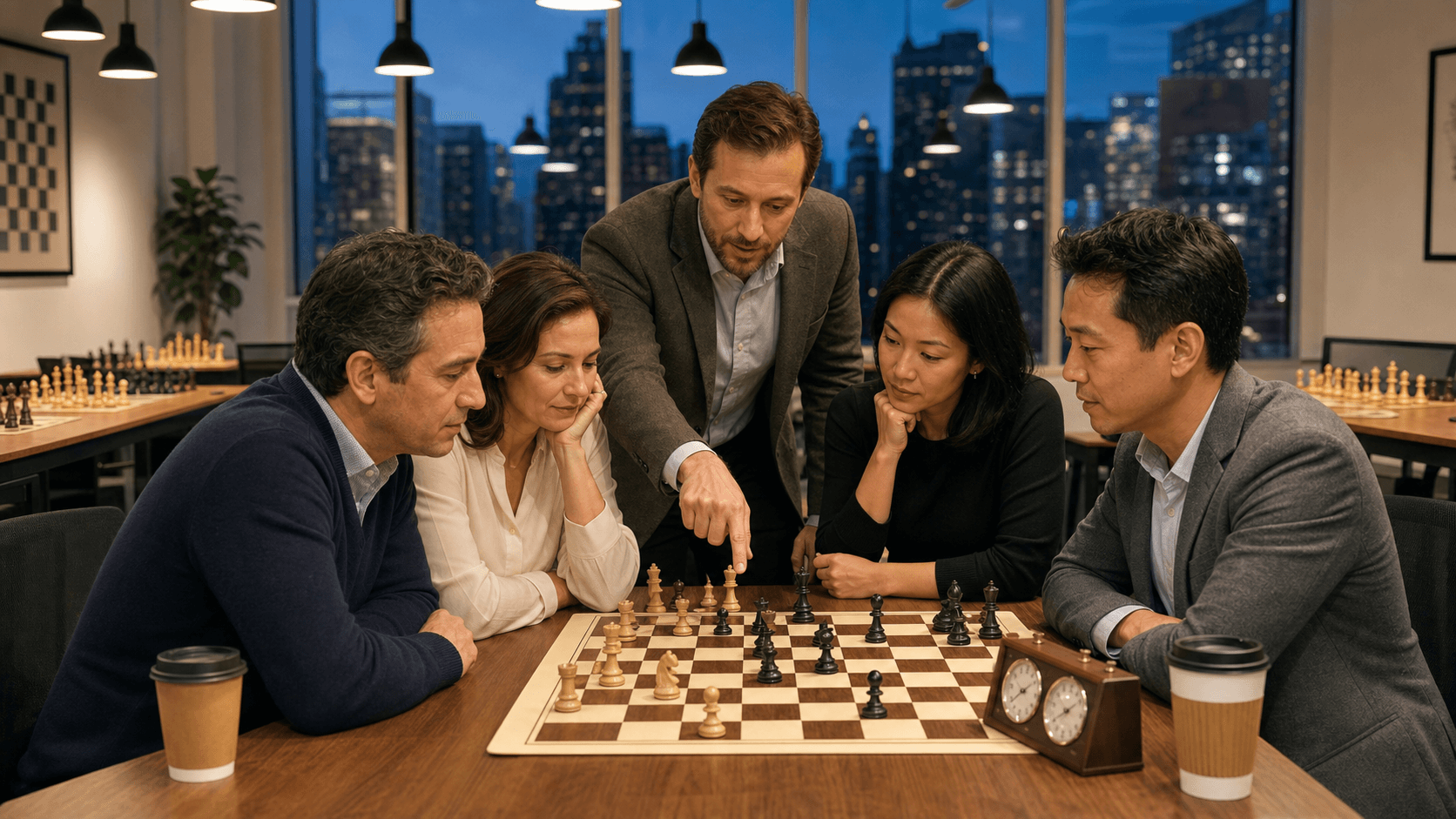
One favorite method is the live "think-aloud" session. A coach sets up a sharp position and talks through it move by move, including the messy parts most players keep in their head. Students get to hear things like, "I want to play this move, but I see a tactic against my back rank, so I have to fix that first." It shows that strong chess is not magic, it is a clear thought process.
Other teaching methods inside our summer classes include:
- Sparring games where the coach gives time odds to challenge stronger students
- Group review of recent tournament games brought in by students
- Targeted feedback tied to the specific USCA tournaments and Manhattan events on each player's calendar
We pay close attention to confidence. That means celebrating tactical breakthroughs when a student suddenly spots themes they used to miss, tracking rating jumps over the summer, and also being honest when a game was thrown away by rushing or forgetting the plan. Students learn that mistakes are not the end of the world, they are fuel for the next lesson.
Training Now for the Next Tournament Moments
Summer work at our academy always lines up with real tournaments. Right now, our class themes, homework, and practice games are designed to prepare students for our current USCA summer tournament series in Manhattan and the early-fall scholastic events that follow. For families also looking to test skills in the wider Manhattan OTB scene, the Marshall Chess Club upcoming tournaments are another common (and very strong) option to plan around.
When we prepare students for our own USCA events, for big scholastic tournaments at local schools, or for other strong Manhattan competitions they plan to attend, we pay attention to the details that matter in those games.
That is why our classes often look like mini tournaments themselves. Students:
- Use clocks from the start of class
- Keep scoresheets so they can replay their games
- Follow touch-move, just like in rated play
- Sit in mostly quiet rooms with focused energy
This structure helps turn nerves into habits. By the time a student is in an actual pairing, they have already done all of this many times. Families notice the change. Kids start to talk in terms of ratings and pairings, not just "I won or I lost." They look ahead to the specific USCA events and strong Manhattan tournaments we are promoting in our current newsletters and ask what they need to work on to be ready.
For some, summer is the bridge from casual home games to serious competition. For others, it is how they build momentum before the school-year circuit picks up again.
Why Manhattan Is the Perfect Summer Chess Playground
Chess classes in Manhattan have a special feel because the city itself is competitive and curious. Students walk in from different neighborhoods, schools, and backgrounds, but once they sit at the board, everyone speaks the same language of checks, captures, and ideas.
Our location fits right into that rhythm. A player might:
- Spend the afternoon in an in-person class, then hop on online lessons at night that review the same weekly theme highlighted in our newsletter
- Train with us for a USCA tournament, then test those skills at a strong event in another Manhattan venue
- Review games later in the week from home, building on exactly what they worked on in the classroom
The social side matters too. Between rounds, kids swap snacks and laugh about blunders. Parents trade stories in the lounge, share schedules, and compare notes on upcoming tournaments and programs they have seen mentioned in our recent email updates. Many also coordinate weekends around events listed on the Tri-State Chess tournament schedule, especially when they want a scholastic option outside their usual school circuit.
With Central Park and other city landmarks nearby, many families even pair our classes with a visit to our Central Park camp or a casual walk after a long day of training. The board may be 64 squares, but everything around it feels big and full of possibility.
How Families Stay Connected Long After Class Ends
Learning does not stop when students walk out the door. A big part of our summer rhythm is making sure families know what is happening in class and how to support it at home.
We share:
- Weekly recaps of themes students just studied
- Highlights of strong games or common mistakes from that week
- Notes about how current topics connect to the specific upcoming camps, leagues, and events we are running right now
At-home work is never random. Practice plans spin directly out of class themes, with specific puzzle sets, sample games to replay, and short online lessons that echo the same ideas. That way, progress keeps building instead of fading between sessions.
Seasonal communication helps everyone know what is coming. Early summer messages usually explain the main training blocks and how they lead into our current late-summer competition schedule. As tournaments get closer, updates shift to preparation tips, schedules, and how to balance chess with the return of school.
For many families, chess becomes one of the most stable and rewarding parts of their routine. Summer might be where the biggest jumps happen, but the skills and confidence earned at the board stay with students all year long.
Even something as simple as logging into their account and seeing their classes and events lined up on the cart page can remind them: every lesson, every puzzle, every long game in training is part of the bigger plan we are building together, aligned with our current programs and tournaments.
Help Your Child Build Confidence and Strategic Thinking Through Chess
Give your child a supportive place to grow their focus, creativity, and problem-solving skills with our expert-led chess classes in Manhattan. At United States Chess Academy, we guide students of all levels with clear instruction, thoughtful feedback, and engaging practice. If you are ready to find the right program or have questions about schedules and levels, simply contact us today.