How Summer Camp Rituals Build Tournament-Ready Kids
Strong tournament habits do not show up out of nowhere on game day. They are built quietly, in small daily routines, long before a child sits down at a board with a rating on the line. That is exactly what we focus on during our chess summer camps in NYC.
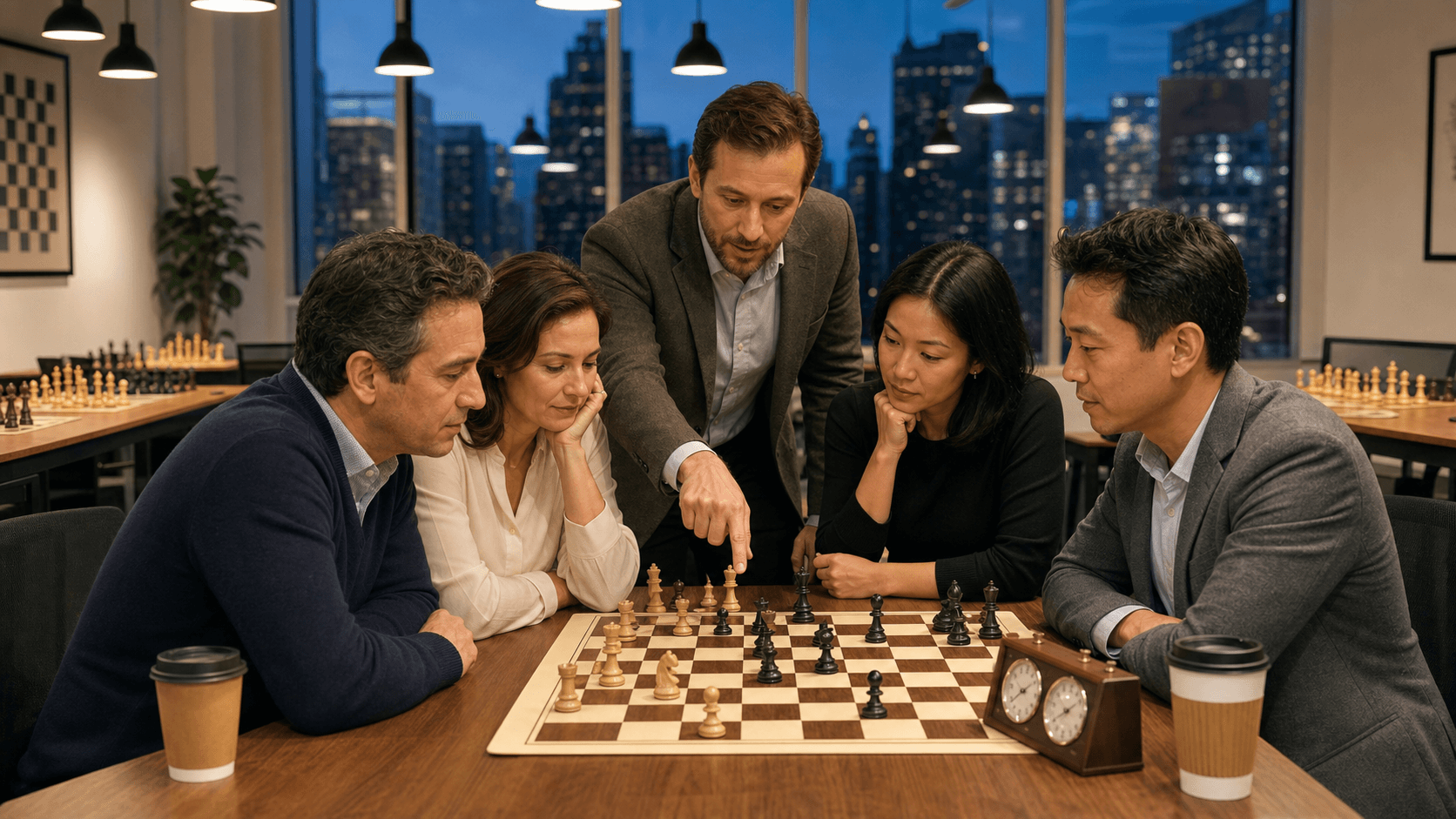
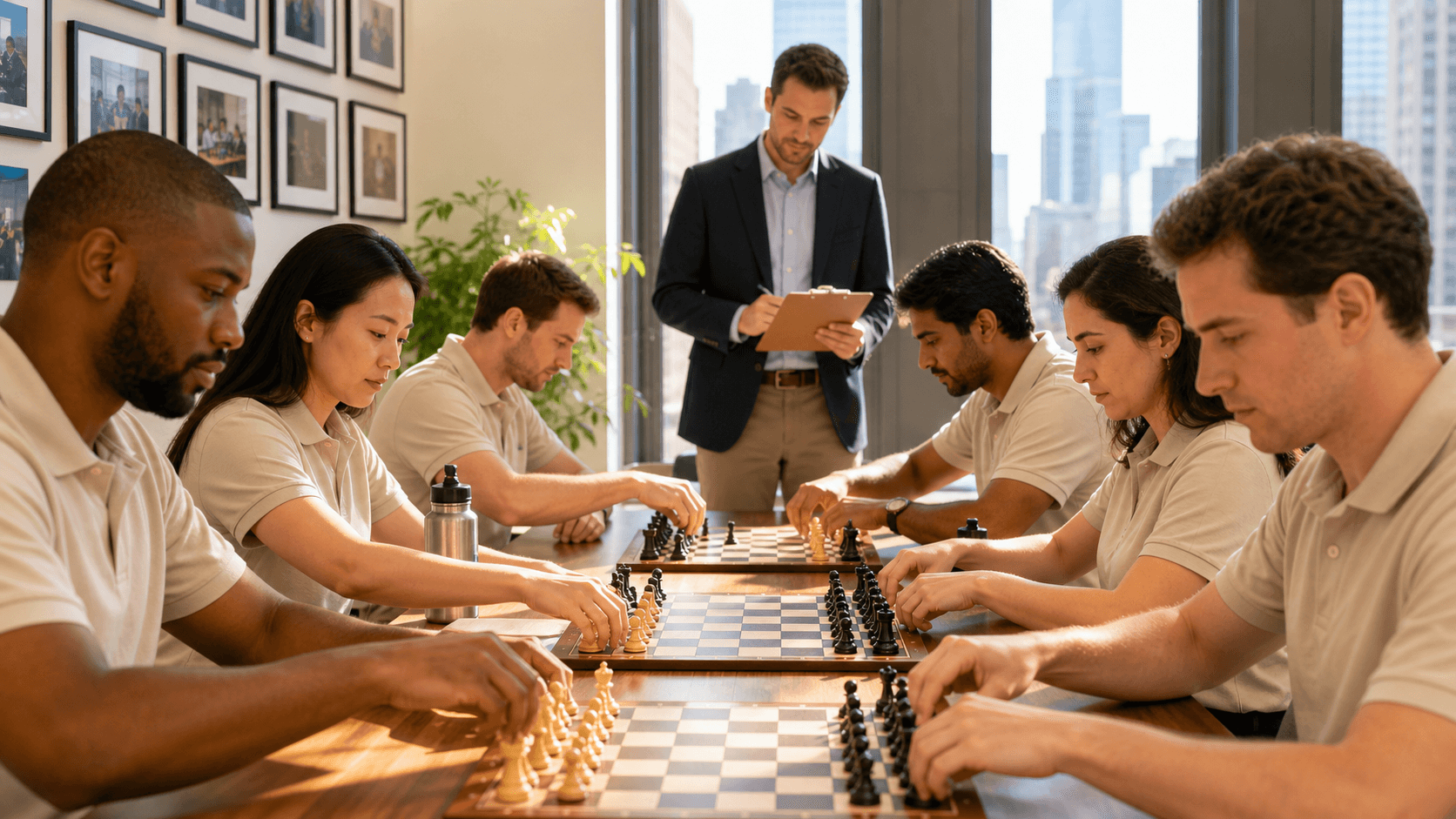
At United States Chess Academy in Manhattan, a typical camp day feels a lot like a tournament day, just with more coaching, more feedback, and more chances to reset. Boards are set up in neat rows, clocks are already ticking in someone's practice game, and coaches move between tables asking simple but sharp questions. Every part of that scene is intentional. Camp is not just "extra chess time." It is a set of rituals that connect what kids learn in class, what they read in our newsletters, and what they face at real weekend events.
For families thinking about chess summer camps in NYC, it helps to see what actually happens between drop-off and pick-up. We design our camp routines around the events we know are coming: back-to-school scholastic tournaments, weekend Swiss tournaments around Manhattan, and local events like the Hunter tournaments that many of our students enjoy. The goal is simple: make tournament behavior feel normal, not scary.
Morning Mindset Warm-Ups That Mirror Game Day
The tone for the day is set in the first 20 to 30 minutes. Kids come in, put their bags down, and head to their boards. Before any long games start, we do a focused warm-up that feels a lot like the quiet time before round one at a real event.
A typical morning at camp includes:
- Short tactical "wake-up" puzzles on the board or projected on a screen
- Quick visualization drills, such as "Where does the knight land in three moves?"
- A brief talk about one mindset theme, like focus, time trouble, or blunder-checking
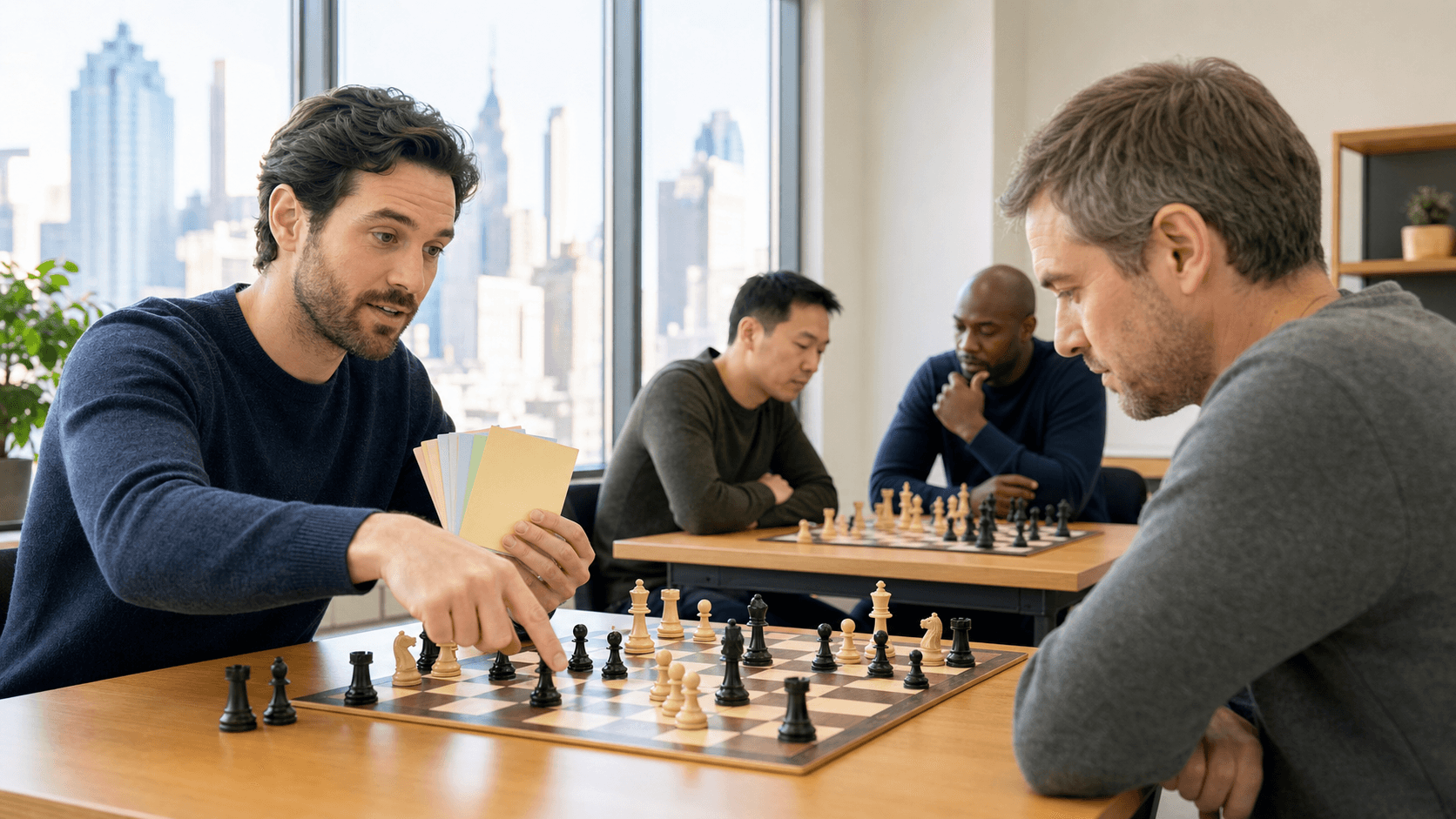
These are not random exercises. They come straight from the ideas we work on in our group classes and highlight in our newsletters: things like always asking "What changed?" before you move, or doing a simple blunder check on every turn. At camp, those ideas become physical habits. Kids actually pause, count, and look for loose pieces, again and again.
This mirrors what strong players do before big rounds at local scholastic tournaments or Manhattan weekend events. They do not cram new openings at the last second. They wake up their brain with familiar patterns and remind themselves of one or two key habits. By turning those into daily rituals at camp, kids learn what a "good game day start" feels like and can copy it before real tournaments.
Structured Training Blocks That Feel Like Real Rounds
After warm-ups, we move into longer training blocks that look and feel a lot like a tournament day schedule: learn, play, review, rest. The structure stays clear, even as themes change.
A training block at our camps usually includes:
- A themed lesson, such as opening plans, typical middlegame attacks, or basic endgames
- Guided practice positions where kids work through ideas with coach support
- Timed training games with notation, using clocks and following the same rules as USCF events
When kids sit down for these games, they treat them like real rounds. They write moves on scoresheets, manage their time, and shake hands before and after. Our titled coaches, along with the rest of our staff, are in the room watching for both good ideas and old habits that need work.
We often bring in real games from our own recent events, including in-house tournaments and games our students played on weekends around the city. It is powerful for a child to see a pattern on the demo board, then realize, "I had almost this exact position last month." That connection helps them remember. It also trains the rhythm of a tournament day: play, then analyze, then rest, then play again.
Families comparing chess summer camps in NYC often ask what makes one camp "tournament-focused." This is a big part of the answer. When every part of training echoes something kids will do at events like Central Park competitions, Hunter tournaments, or weekend Swiss events, skills are more likely to show up when it matters.
Game Review Rituals That Turn Mistakes Into Strengths
After each serious game at camp, we have a cool-down ritual. Kids know the routine, and that predictability helps take some of the emotion out of wins and losses.
The cool-down usually looks like this:
- Kids hand in their scoresheets or bring their boards to a review area
- A coach goes over the game, focusing on 2 to 4 critical moments, not every single move
- Together, they name the pattern: rushing, ignoring threats, fear of trading, or missing simple tactics
We link these review themes to what families see in our newsletters: annotated games, "Position of the Week," and common issues that come up again and again, like hanging pieces or struggling to win won endgames. At camp, kids get to live those themes over the board, then talk them through while the game is still fresh.
One of the most important parts of this ritual is teaching kids how to talk about their own games without beating themselves up. We practice phrases like, "Next time I will..." or "My plan was good, but I missed this move." That kind of language builds a tournament mindset where losses are information, not a disaster. It also prepares them for key events like our end-of-summer, in-house tournaments and the wave of fall scholastics across Manhattan.
Pressure Practice, Simulated Tournaments, and Community Rituals
Chess skills are one thing. Handling pressure is another. To help with that, we run mock tournaments during camp that feel very close to real weekend events. Kids get to experience the atmosphere while still having easy access to support and coaching.
Our pressure practice usually includes:
- Real pairings, posted so kids have to find their boards like at a real event
- Clocks set to common scholastic time controls, with kids required to keep score
- Clear reminders of touch-move and other tournament rules
We start rounds with quiet announcements. Kids stand up to see pairings, then sit down and wait for the signal to start clocks. Coaches walk the aisles, watching how students handle time scrambles, nerves, and distractions. This all matches what they will see at city events throughout the year, from local scholastic tournaments to bigger Manhattan events many families aim for.
At the same time, we pay close attention to community rituals that make long tournament days feel more human. Throughout camp, we keep:
- Daily group huddles, where we share one lesson or success from the day
- "Game of the day" shoutouts to celebrate sharp ideas or good defense, not just wins
- Sportsmanship habits like clear handshakes, respectful body language, and simple, kind comments after games
These community habits match what we do in our group classes and weekend tournaments, so kids feel a familiar culture no matter where they see us. When they show up at a larger event, they often recognize faces from camp or our programs, which makes the room feel less intimidating and more like a team space.
Families who want a more flexible option can also build some of these rituals through our online lessons, especially if they balance online work with in-person camps or tournaments.
Turning Summer Momentum Into Tournament Steps
The gains kids make at chess summer camps in NYC do not have to disappear when school starts. The same small rituals that help them at camp can live at home in simple, low-stress ways.
Here are a few that work well for many families:
- One short tactics set each day, treated like a "brain warm-up"
- A quick talk about one key idea after games, such as time use or blunder checks
- Occasional practice games with a clock, so time control feels normal, not scary
When home routines echo camp rituals, kids walk into events like local scholastics, Hunter tournaments, or weekend Manhattan Swiss tournaments with a sense of "I know how to do this." Their warm-up, their mindset, and their behavior at the board feel practiced, not new.
At United States Chess Academy, every summer camp ritual is chosen with that goal in mind. Whether a child is with us at our Manhattan camp location, training outdoors at our Central Park camp, or following along with programs they join through our registration portal, the message stays the same. Good tournament results grow from good daily habits, and summer is one of the best times to build them in a focused, supportive setting that feels both serious and fun.
Give Your Child a Confident Summer Advantage Through Chess
Help your child turn summer break into a season of growth and sharper thinking with United States Chess Academy. Our chess summer camps in NYC blend expert coaching, engaging activities, and a supportive community for players of all levels. Reserve a spot now so your child can build skills, friendships, and confidence that last long after camp ends. If you have questions or need help choosing the right session, please contact us.