Weekend Chess Wins for Parents and Kids
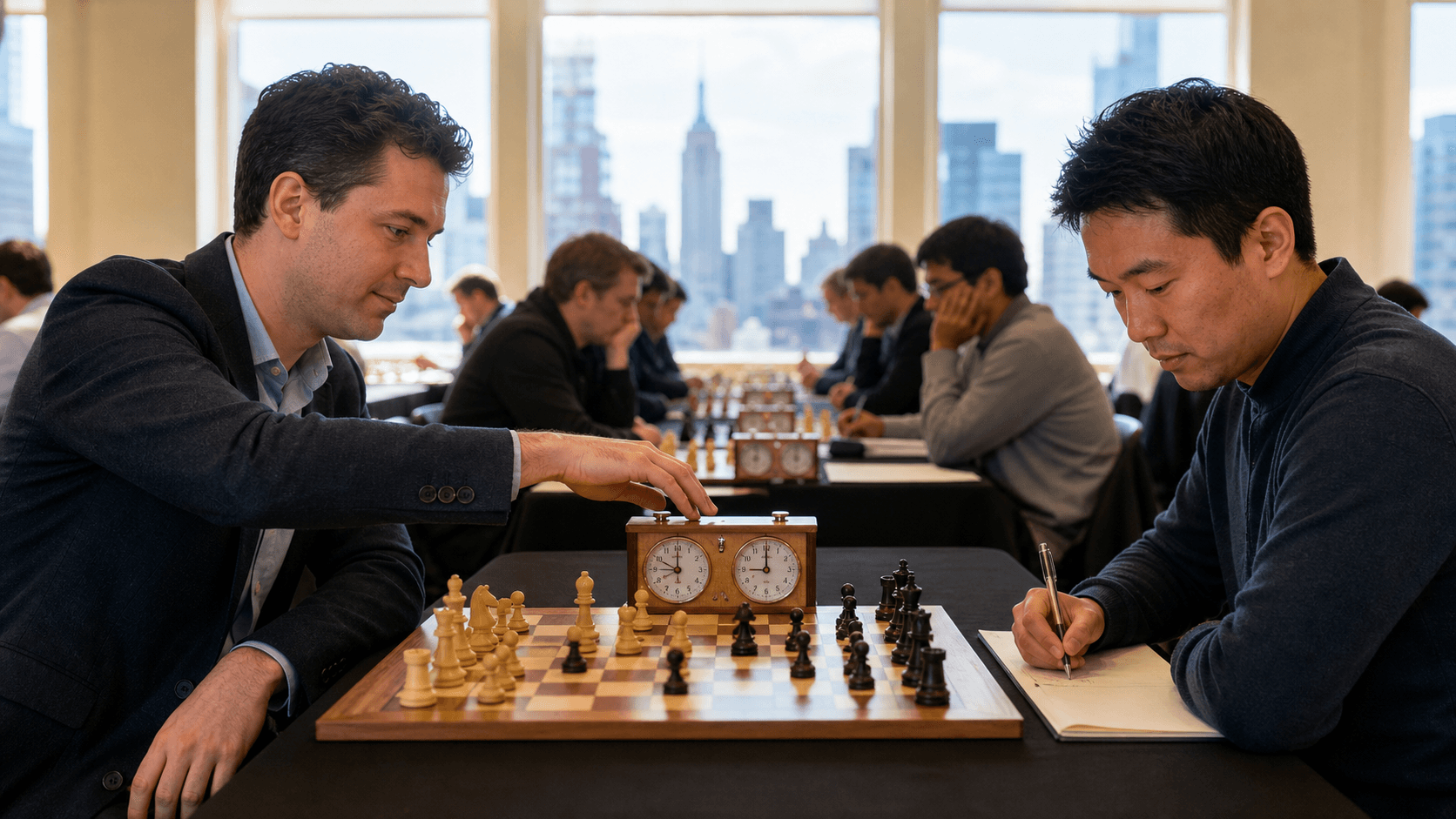
Weekend kids' chess tournaments in Manhattan are about much more than ratings and trophies. If you stand in any school gym or community hall on a Saturday, you will see kids locked in, clocks ticking, coaches moving quietly between boards, and parents leaning over coffee cups in the hallway. There is a lot of thinking happening, and not just from the players.
These events help children build skills, but they also give parents something important: community, insight, and shared family time. Tournaments turn what kids practice in class into real decisions over the board. They also create a rhythm to the week that many families start to count on, especially once weekend events are part of the regular calendar.
At our Manhattan chess school, weekend tournaments, local events at places like Hunter, and other city events often weave together. In the same way our current classes are focusing on time management, endgame technique, and calculation drills, our upcoming weekend tournaments are designed to give kids real games where they can use those exact skills.
Families read the newsletter to see which class themes are being emphasized each month, check which upcoming tournaments and programs are highlighted on the calendar, and then plan which sections their kids will play in. For example, when the newsletter mentions a month of endgame focus in class and spotlights the next Hunter tournament or our in-house Saturday Swiss, families know those events are chances to see that work in action. In this article, we will talk about what parents actually gain from these weekends, how tournaments support what kids are learning right now, and simple ways to make your next event smoother and more meaningful.
Seeing Growth in Action at Weekend Tournaments
A kids' chess class is where skills are taught. A tournament is where those skills get tested in real time. For parents, weekend tournaments work like a live report card. You can see how your child is using ideas from recent lessons, not just repeating them.
During a round, you might notice:
- Longer, calmer thinking instead of quick, nervous moves
- More confident opening choices instead of random first moves
- Better endgame effort instead of giving up when pieces are traded
Even without seeing every move, you can still see progress. A child who once jumped out of the chair now sits still and studies the board. A child who used to panic in time trouble now glances at the clock, takes a breath, and makes a plan. Those changes tell you as much as any rating jump.
When class themes focus on topics like calculation, endgames, or time management, as highlighted in our recent newsletters, weekend tournaments are built to stretch those exact muscles. Pairings against kids of similar strength help test:
- How well they remember patterns from class drills and homework positions
- Whether they can apply a new opening idea that was just covered this week
- If they can close out a winning position instead of rushing, especially after our current endgame units
Parents can support this by doing a bit of light "noticing" during events. Without coaching during games, you can still:
- Observe body language when the game looks tense
- Jot down round numbers that looked especially tough
- Note if your child is leaving the board too often or staying focused
Later, those quick notes become helpful talking points with coaches after class or during online check-ins like our online lessons. When you reference the same themes that appear in the newsletter and in class (for example, "How did you use your time this round?" or "Did your endgame practice help here?"), your child feels how connected everything is. Over time, you can look back and see how your child handled the first tournament of the season compared with one a few months later.
Building Real-World Skills Beyond the Chessboard
Parents often care less about the opening name and more about what chess is teaching for real life. Regular kids' chess tournaments in Manhattan are a practice ground for skills that carry into school, friendships, and even future work.
In one day of games, children get to practice:
- Emotional regulation when a move goes wrong
- Perseverance during long, tough rounds
- Decision-making with limited time on the clock
- Responsibility for their own choices and scores
Right now, many of our classes are using simple reflection tools, such as game journals and three-goal cards, to help kids think about their decisions. Those same tools work perfectly at weekend tournaments, especially the ones featured in our newsletter each month. Class habits, like keeping a simple game journal or setting three small goals before each round, help kids reflect after games instead of just saying "I lost" or "I won." When we encourage players to think about things like "Did I manage my time better?" or "Did I stay calm after a mistake?", tournaments start to feel like training for life, not just contests.
Weekend events also give kids a safe place to fail and try again. A painful loss is watched by coaches and organizers who know how to guide kids through it. They see that:
- Mistakes are normal and fixable
- One bad round does not ruin a whole day
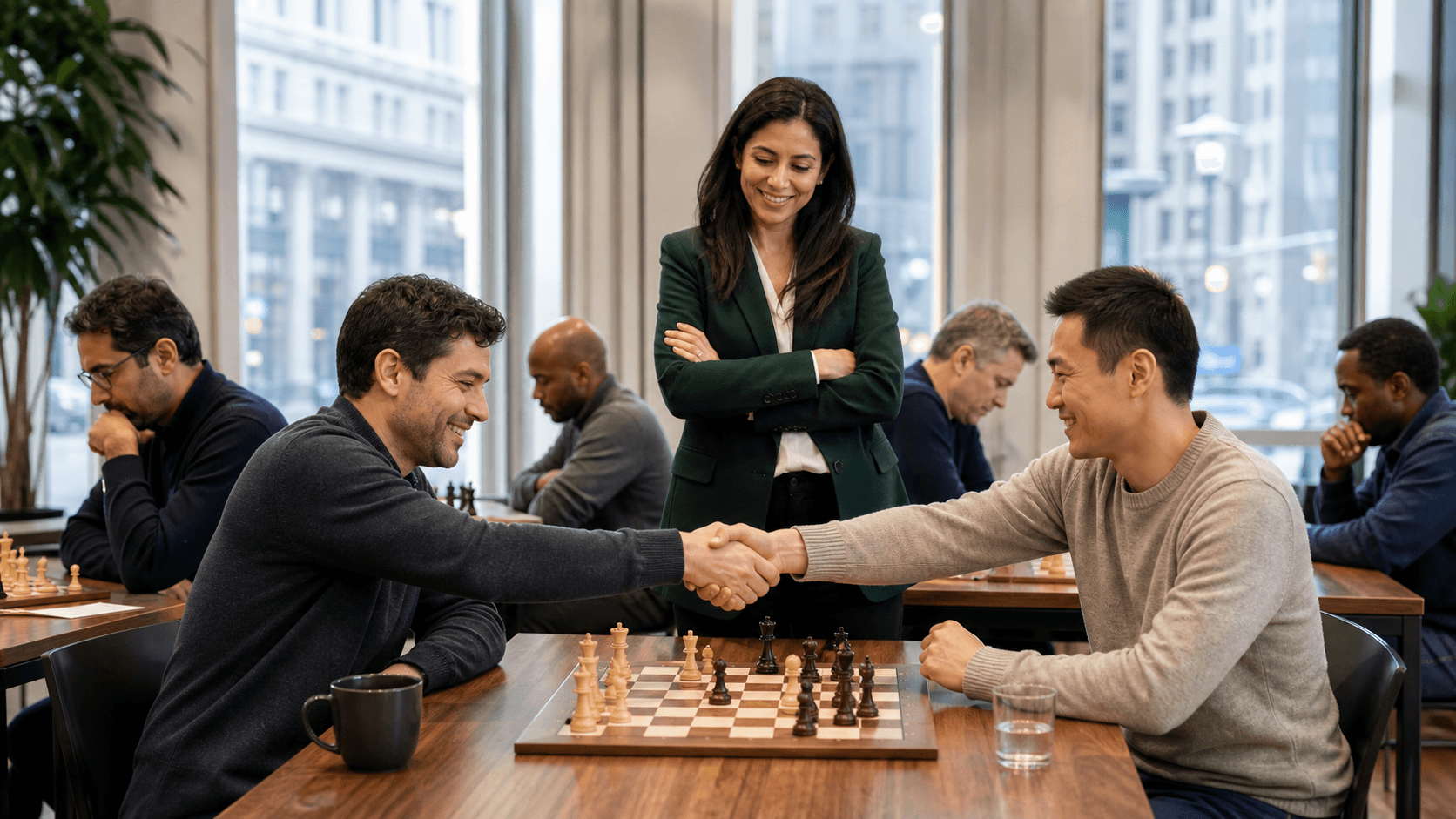
- Respecting an opponent matters, win or lose
For parents, this is a chance to learn more about your child's character. You may see how your child reacts when a favorite opening gets crushed or a clear win slips away. These moments give you better language for family talks about effort, attitude, and resilience, both in chess and in schoolwork.
Finding Community in Manhattan's Chess Scene
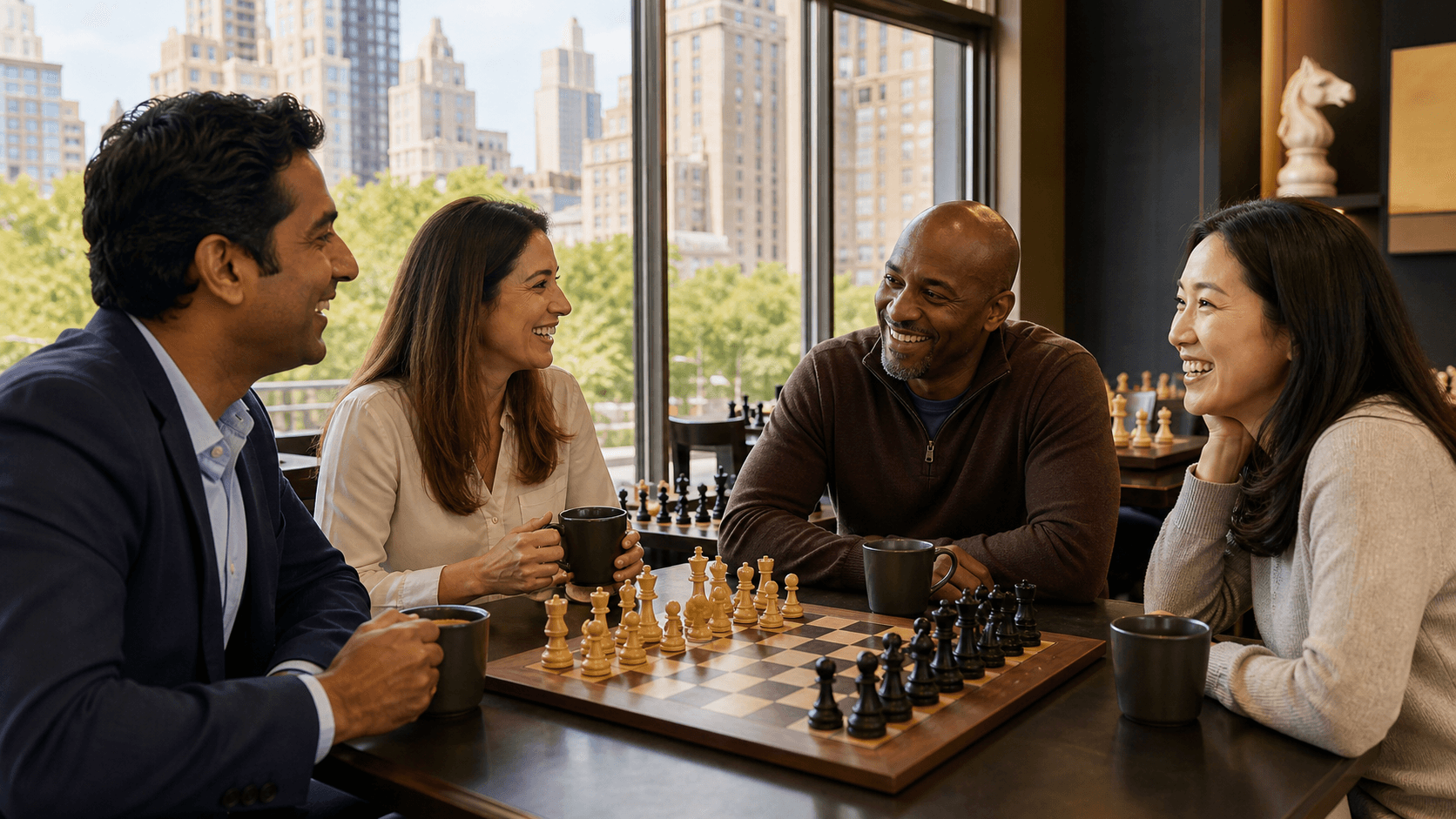
One of the quiet benefits of kids' chess tournaments in Manhattan is the parent community that grows around them. While kids play, parents talk. Waiting rooms and hallways turn into small support groups.
Regular events, at our academy, Hunter tournaments, and other city venues listed in our newsletter, help families meet others who face the same questions: How much should my child practice? How do we balance homework and chess? Which section is right for the next event?
As we move through the current season of weekend tournaments and look ahead to highlighted events on our calendar, parents naturally start to build:
- Carpool plans to share early morning rides
- Text groups to trade tips about pairings and sections
- Friendships that extend to park meetups and casual play dates
Simple things like parent coffee meetups between rounds or quick Q&A huddles with coaches can make the day feel less stressful and more social. When you see the same parents at events across the city, especially at the tournaments and programs we feature in the newsletter each month, both kids and adults gain a sense of comfort and familiarity. Tournaments stop feeling like high-pressure tests and start feeling like a regular part of family life, much like weekend sports games or music recitals.
Making Tournament Weekends Easier and More Enjoyable
A well-planned tournament day is easier on everyone. The goal is not to remove all stress, but to lower it enough so kids can focus on playing and parents can actually enjoy the day.
Some simple strategies many families find helpful include:
- A small packing list with snacks, water, and a light jacket
- A set routine between rounds, like a brief walk and a snack
- Clear screen-time rules, so kids do not burn out staring at a phone
When practice and tournament prep are aligned, both kids and parents feel more prepared. Group classes, online review sessions, and short pre-tournament briefings tied to specific upcoming events (like the next in-house Saturday tournament or highlighted Hunter weekend) can help kids know what to expect. Onsite coaching at some weekend events, including major Manhattan tournaments we list in the newsletter, gives parents peace of mind that someone is nearby to help kids reset between rounds.
Parents also benefit from:
- Predictable schedules and clear round start times
- Simple guidance on which rating section is a good fit
- Transparent pairings and result posting so there is less confusion
Planning ahead is easier when tournament calendars and programs like city camps or Central Park camp are coordinated and clearly highlighted for families. When the newsletter points out that a certain month's classes are focused on middlegame planning, and the same month features a cluster of weekend tournaments plus a break week for Central Park camp, families can match class themes, home practice, and weekend events so each tournament feels like the next logical step, not a random test.
Turning Weekend Tournaments Into Lasting Family Wins
When parents see weekend tournaments as part of a long-term plan instead of one-time verdicts on talent, everyone feels calmer. A rough event becomes information for the next training cycle, not a disaster. A strong result becomes encouragement to keep building skills, not a reason to stop working.
You can help your child by treating each tournament as one chapter in a longer story. Before events, talk about a few process goals, like better time management or staying focused after a mistake, ideally using the same language your child hears in class and sees in our newsletter updates. Afterward, review games with a coach in class or through structured training plans, and bring your own notes about what you observed.
When home practice, class work, highlighted newsletter themes, and weekend tournaments connect, kids see that their effort matters. Parents gain a clearer view of how their child thinks, reacts, and grows from challenge to challenge. Over time, those Manhattan weekends at kids' chess tournaments, especially the specific events and programs you see on our calendar, turn into more than just long days in a school cafeteria. They become shared family wins, full of small lessons, new friendships, and the steady progress that comes from showing up, round after round.
Help Your Young Player Compete With Confidence
If your child is ready to take the next step from casual play to structured competition, our kids' chess tournaments in Manhattan provide a welcoming, well-organized environment to grow their skills. At United States Chess Academy, we focus on guiding students through every stage of tournament play so they feel prepared, supported, and proud of their progress. Reserve a spot in an upcoming event today or contact us with any questions about which tournament is the best fit for your young player.