From Screen to Tournament Hall: Confident First Steps
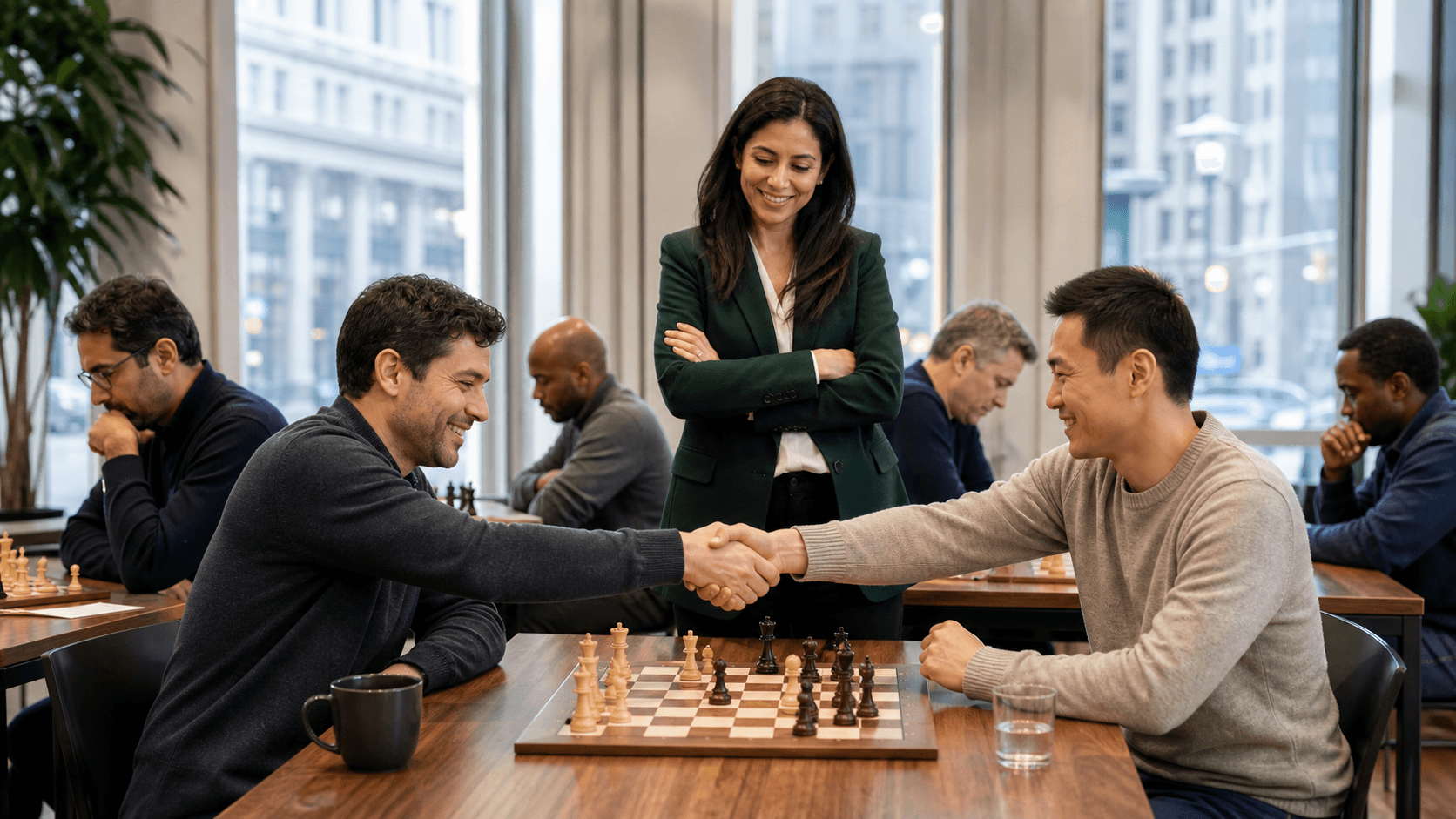
Moving from an online chess lesson on a laptop to a real chessboard in a New York City tournament hall feels very different. The pieces are heavier, the room is quiet, and there is no computer to fix mistakes. For many families, this fall is the first time weekly Zoom practice games are turning into official USCF-rated events.
That jump can feel a little scary for kids and parents, but it does not have to. With a clear checklist and a bit of practice, the tournament hall starts to feel just as familiar as the online board. Everything here lines up with what we work on in our classes and in our pre-tournament messages, so your child sees the same ideas in training and at their first events at places like Hunter, local Manhattan tournaments, and other NYC scholastic venues.
In this guide, we will walk through what to bring, how to handle notation, how touch-move and illegal moves work, and how to use a chess clock with confidence. Think of it as a simple bridge from "I only click pieces online" to "I am ready for my first USCF game over the board."
Tournament-Ready Gear: What to Pack and Practice
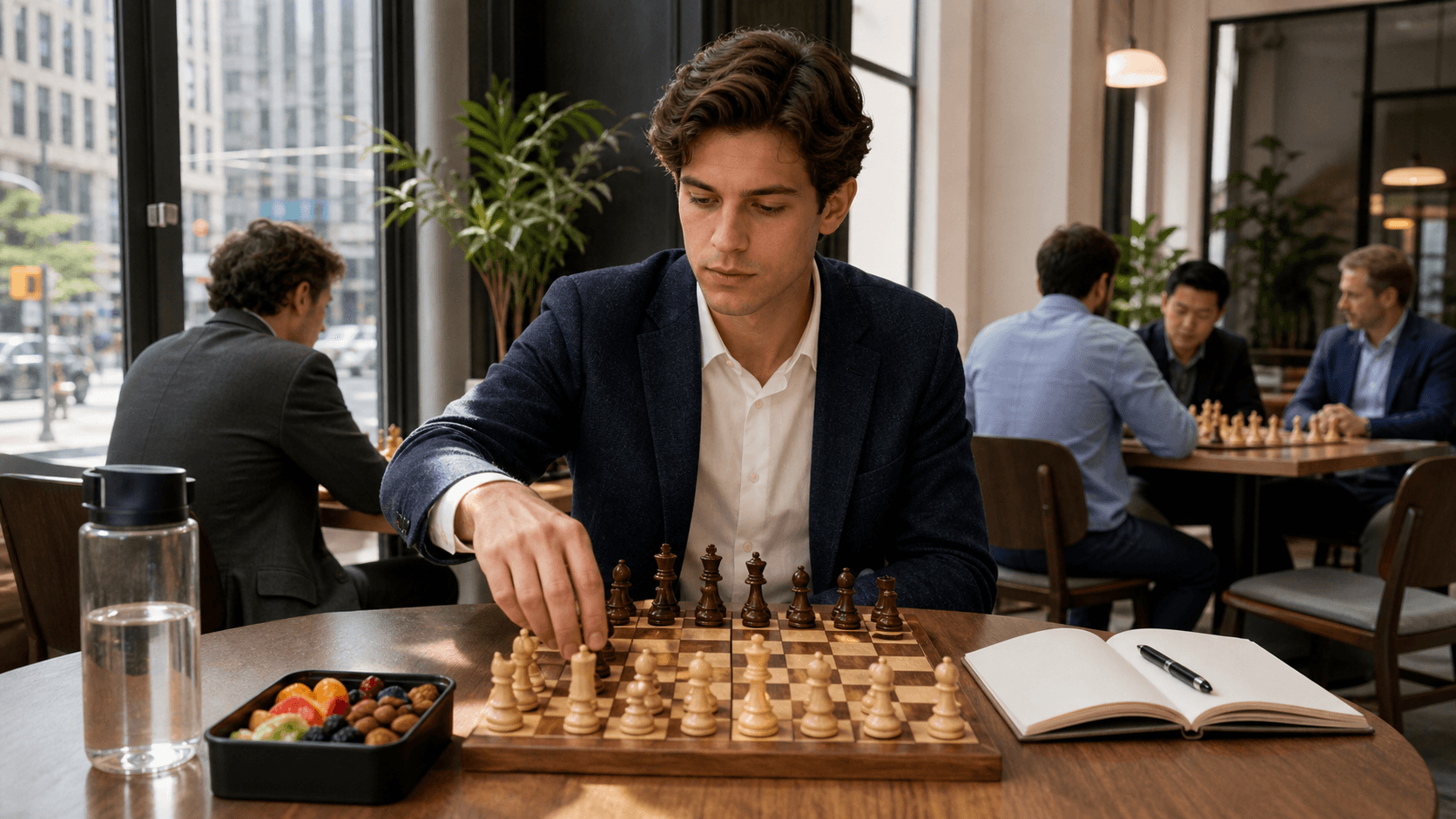
Most NYC USCF tournaments for kids and adults will have boards, pieces, and clocks ready on the tables. Still, players feel much calmer when they bring a few simple items of their own.
At many events, organizers provide:
- Boards and pieces
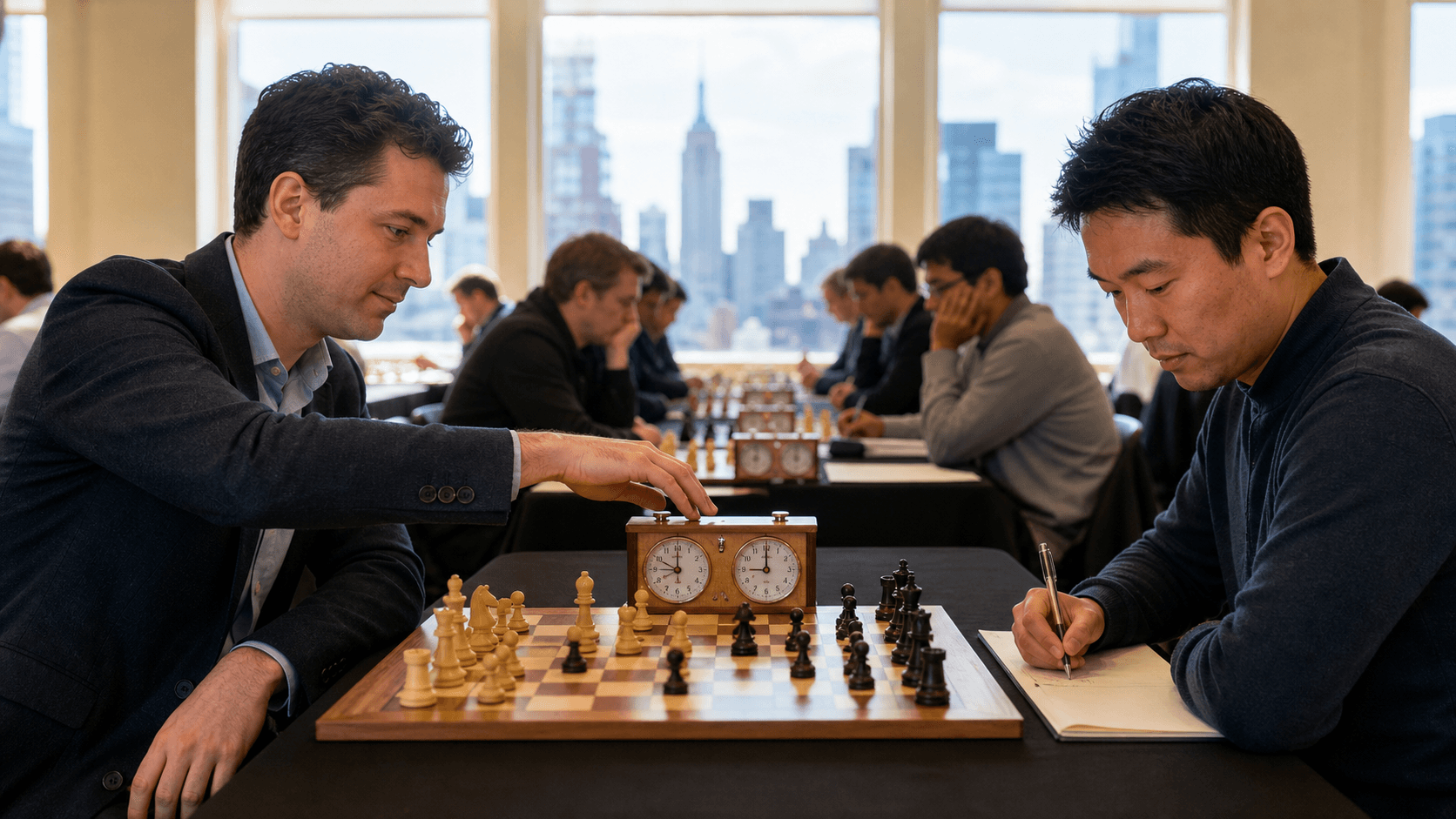
- A tournament-approved chess clock on each board
- Basic scoresheets at the registration desk
We usually encourage families to pack:
- A sharpened pencil or two
- Personal scoresheets or a small notebook
- A digital chess clock for practice and backup
- A water bottle and easy snack that does not make a mess
One of the best ways to prepare is to make home practice look like tournament play. That means not just an online chess lesson, but also:
- A real chessboard set up on a table
- A digital or analog clock running a simple time control
- Sitting upright in a chair, no toys, no TV, no extra screens
The night before a tournament, a quick backpack checklist helps kids feel in control:
- USCF ID number printed or saved on your phone
- Tournament flier or email with address and start time
- Light jacket or sweater in case the playing room is cold
- Notebook for post-game analysis with a coach
- Hand sanitizer and small, easy-to-open snacks
In our classes and camps, including programs like our Central Park sessions listed under Central Park camp, we like to do "tournament bag drills." Kids practice packing, unpacking, and checking their gear. It becomes a small ritual that makes tournament mornings calmer and more predictable for everyone.
Notation Skills That Match USCF Tournament Standards
Online, a move is just a click or a tap. At a USCF tournament, that is not enough. Players are expected to record their moves in algebraic notation on a scoresheet.
Here is what we train again and again in class:
- Write down every move you make and every move your opponent makes
- Use clear piece letters and square names, like Nf3 or Qxe5
- Do not rewrite or "make it look nicer" during the game
Under USCF rules, players should keep score for the whole game, except in sudden time trouble, when they have less than a certain amount of time on the clock. At that point, the rules allow them to stop writing and focus only on playing, but they should not erase earlier moves.
We practice this with real tournament-style scoresheets, not just scrap paper, so kids get used to:
- Writing the move before they hit the clock in calm positions
- Skipping only when a move is truly forced and time is low
- Keeping handwriting big and clear enough to read later
The scoresheet is not just a rule; it is a learning tool. After tournaments at Hunter, Manhattan events, and our own in-house training tournaments, we bring those games into group classes and one-on-one review sessions. Just like a recorded online chess lesson, the written game lets us go back and spot missed tactics, weak opening choices, and endgame tricks.
Families can support this at home by printing sample scoresheets or using a simple lined notebook. During one online game a week, ask your child to record every move by hand as they play on their screen, then bring that sheet to their next session. In our online chess lessons, we often compare the written moves with the game history to help students clean up their notation and catch any skipped moves.
Touch-Move, Illegal Moves, and Player Responsibility
One of the biggest changes from online play is that the computer is no longer the referee. Kids have to know the rules and speak up politely when something goes wrong.
The touch-move rule is simple to say but takes practice to follow:
- If you touch your own piece on purpose, you must move it if there is a legal move.
- If you touch your opponent's piece on purpose, you must capture it if that is legal.
- If you only want to straighten a piece, you say "adjust" before touching it.
In our practice games, we stop and replay moments when kids grab a piece and then change their mind. Online, that is easy. Over the board, that is not allowed if they were clearly choosing that piece.
Illegal moves are another big change. On a screen, the game will not let you move your king into check. On a real board, mistakes happen. If your opponent makes an illegal move, your child should:
- Pause the clock
- Raise a hand and quietly call the tournament director
- Keep calm, stay seated, and let the director sort it out
We talk often about staying respectful and never arguing at the board. The director will usually reset the position to just before the illegal move and may adjust the clock according to the rules.
For parents who want to read more about what directors look for, resources like these tournament rules explanations give a nice overview of standard procedures.
Common beginner mistakes in live play include:
- Touching several pieces while thinking
- Moving while still in check with an illegal block
- Adjusting pieces without saying "adjust" first
In our supervised practice events, we pause and explain these moments instead of just fixing the board. We want kids to understand that, unlike an online platform, the rules do not enforce themselves. USCF expects players to protect their own rights, claim touch-move when needed, and call a director when an illegal move happens. That sense of responsibility is a skill we build slowly through repetition.
Mastering the Chess Clock Under Real NYC Time Controls
For many kids, the clock is the scariest part of a first tournament. In online games, the clock quietly runs on its own. Over the board, there is a real device to press, and time controls feel more serious.
Common scholastic time controls in NYC events include things like "Game in 30 with a 5 second delay" or "Game in 60 with a 5 second delay." That means each player starts with a set amount of minutes, and each move adds a small delay before their time begins to tick down again.
We teach a simple clock routine:
- Know which color starts the clock at the beginning
- Use the same hand to move your piece and then press your side of the clock
- Press the clock gently, without slamming
- Never hit the clock before you let go of your piece
In fast time scrambles, kids can panic and move too quickly. We coach them to keep one steady rule: even when low on time, always take a one-second "blunder check" before pressing the clock. That alone saves many games.
Time management is a habit that grows over many games, online and in person. Some simple ideas we stress:
- Use more time in complicated middlegames, not in easy opening moves
- Avoid long daydreaming when the position is simple
- If you are far ahead in material, do not rush into tactics that could throw it away
At home, a weekly "tournament simulation night" helps a lot. Set up a physical board, set a digital clock to a common scholastic control, and have your child play a serious game with a parent, sibling, or training partner. If you already use online registration for programs, add these practice games to your regular routine so the clock feels normal on tournament day.
Turn Lessons Into Ratings: Your Next Tournament Steps
The goal of all this structure is simple: turn what kids learn in lessons into confident, rated tournament games. The cycle is clear. They learn ideas in class and in an online chess lesson, they drill them on real boards with clocks, then they apply them at events around the city.
A simple family action plan can look like this:
- Pick one upcoming USCF tournament in NYC, such as a weekend event at a school or community center in Manhattan
- Pack a tournament bag together a few days before: scoresheets, pencil, clock, snacks
- Practice notation and touch-move in two or three serious games at home that week
- After the tournament, bring the scoresheets to the next lesson for review
Over time, this loop becomes natural. Kids learn an opening pattern with a coach, use it in a rated game, then review how it went. They build endgame skills, get a rook and pawn ending in a real tournament, then replay it in class to see what could be done better. Each event feels a little less stressful and a little more exciting.
As students keep cycling through online lessons, in-person drills, local Manhattan and Hunter tournaments, and structured post-game analysis, their understanding deepens and their ratings start to reflect their true strength. The online-to-over-the-board jump stops feeling like a big leap and starts to feel like the next logical step in their chess growth.
Take The Next Step Toward Stronger Chess Skills
If you are ready to turn casual play into real, measurable progress, we invite you to book an online chess lesson with United States Chess Academy. Our experienced coaches tailor each session to your goals, whether you are just starting out or preparing for serious tournament competition. Have questions about schedules, pricing, or which program fits you best? Simply contact us and we will help you get started.