Find the Best Chess Lesson Style for Your Family
Choosing between group and private chess lessons is one of the first questions families in Manhattan ask when a new school year starts. Kids are signing up for clubs, adults are looking at their calendars, and tournament dates at places like Hunter and local Manhattan events are already on the radar. It is a real choice: do you place your player in a lively class with friends, or invest in focused one-on-one time with a coach?
Both paths can work very well. The right answer depends on age, personality, goals, and how busy life already feels. Many students at United States Chess Academy do not actually choose one or the other. They blend both, moving between group lessons, private sessions, camps, and tournaments over the season. All of these are pieces of the same bigger plan: steady, confident chess training in Manhattan that stays fun instead of stressful.
In this article, we will walk through how group and private lessons actually feel, what kinds of players do best in each setting, and how to combine them when tournament season heats up. The examples come straight from what families experience each week in our Manhattan classrooms and our live online lessons.
How Group Chess Classes Build Skills and Confidence
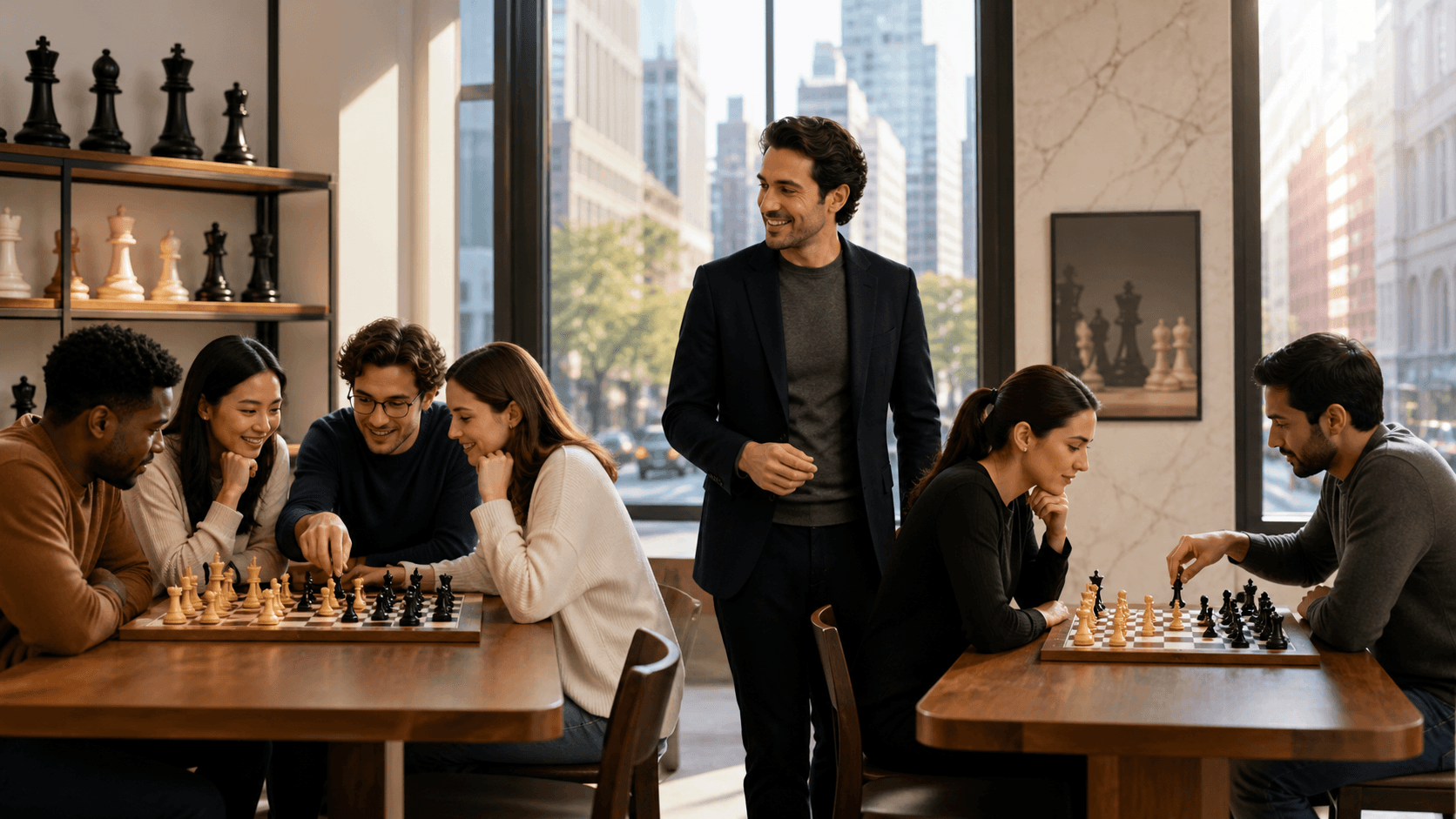
A typical group class at our academy follows a clear rhythm. Students start with warm-up puzzles on the board or a demo screen, then listen to an interactive lesson from a titled coach. After that, they play practice games with classmates, before closing with a short review of key positions. This same format is what we use week after week to prepare kids and adults for upcoming fall tournaments around the city.
Group classes are powerful for several reasons:
- Social motivation and friendships
- Healthy peer competition
- Exposure to many playing styles
- Practice with sportsmanship and focus
In a group, a student sees how others think about positions. One player might love sharp attacks, another might quietly trade into a simple endgame. Over time, students learn to adjust. They also get used to the feeling of playing in a room full of boards, which is very close to the atmosphere at Manhattan tournaments.
We often run themed group lessons tied to what we are covering that month. For example:
- Back-to-school tactics like forks, pins, and simple checkmates
- Endgame "boot camp" sessions that repeat king and pawn basics
- Game review nights that mirror common tournament mistakes
These themes usually connect with topics in our newsletter and with what students are about to see in real events. If a weekend tournament is coming, group classes might focus more on time pressure decisions and simple, reliable openings.
There is also a practical side. Group classes make regular chess training in Manhattan easier to keep up over many months, because there are set days and familiar classmates. Families can build group sessions into the weekly routine, instead of trying to fit chess around everything else on the fly. Because the structure is shared, coaches can move an entire class forward together, while still stopping for individual questions.
For some students, camps offer a similar feel, just packed into a shorter window. For example, our outdoor Central Park chess camp brings that same group energy into a day program that pairs chess with breaks and casual play.
When Private Coaching Makes the Biggest Difference
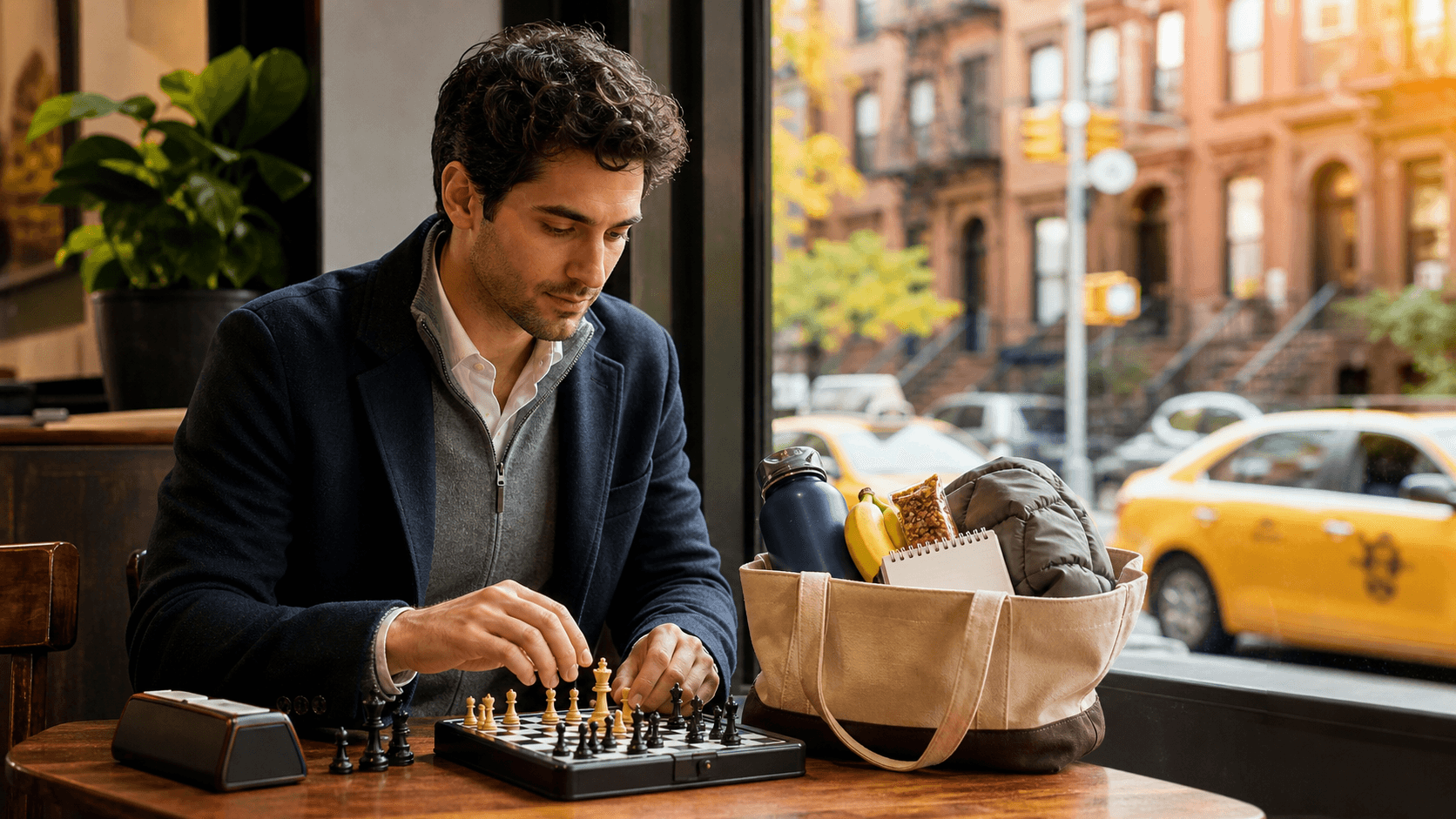
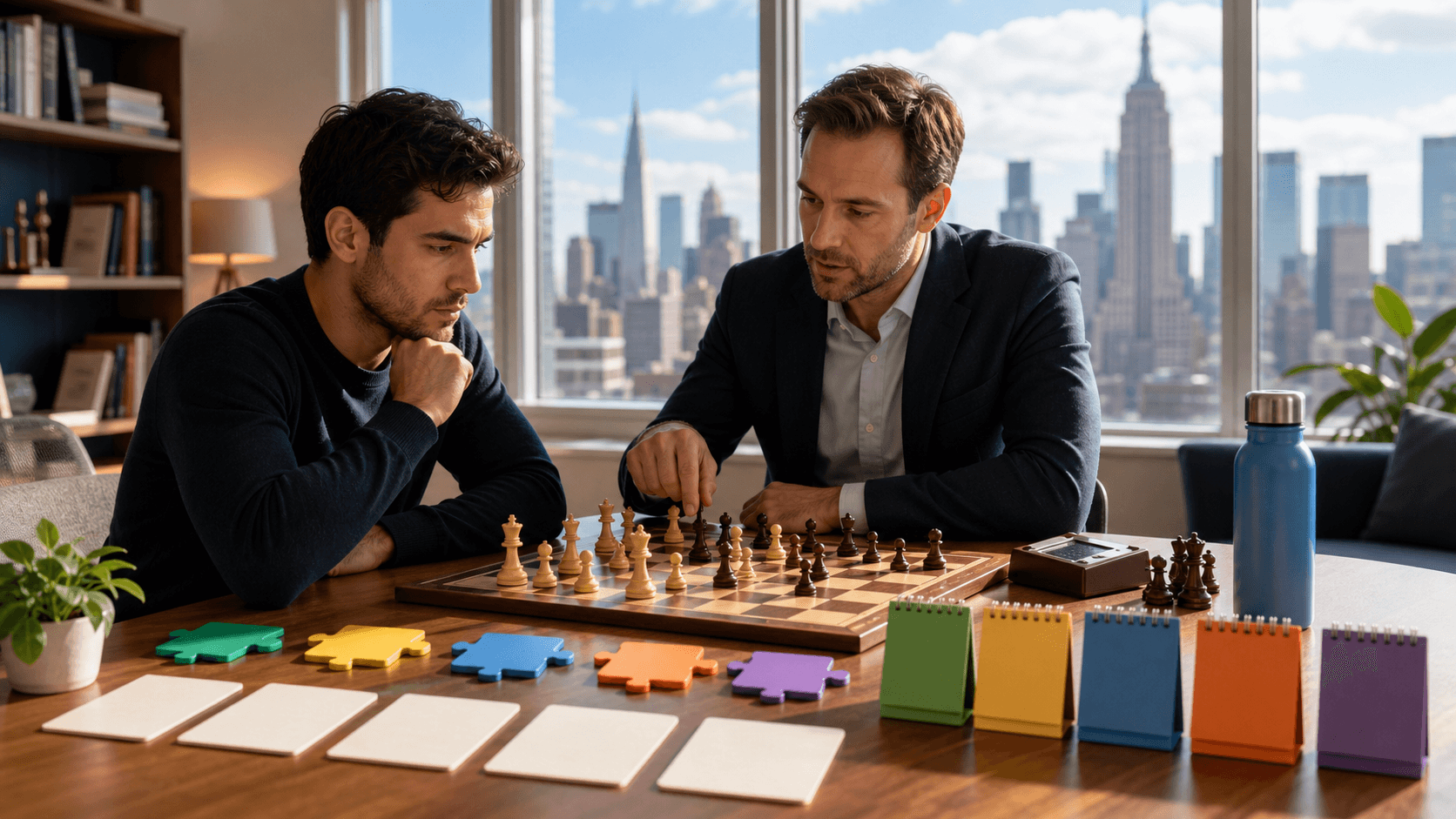
Private lessons look and feel very different from group classes. In a one-on-one session with a grandmaster or titled coach, the focus is fully on one player's games, habits, and goals. Instead of general examples, the coach pulls up the student's own tournament positions and asks, "What were you thinking here?"
A typical private session might include:
- Deep review of recent tournament or practice games
- Targeted work on one weakness, like endgames or calculation
- Custom opening ideas that fit the student's style
- Practical advice on time management and mindset
This is especially helpful for serious tournament players who want to push their rating, or who are preparing for larger city and state events. When a student keeps losing similar positions in the same way, a coach can spot that pattern much faster in a private lesson. The discussion can slow down and go deeper than it normally would in a group setting.
Certain types of students often benefit most from private coaching:
- Ambitious kids who already outplay their school clubs
- Players aiming for rating milestones before major tournaments
- Adults with tight Manhattan work schedules who need efficient sessions
- Shy students who open up more when the spotlight is not shared
Private coaching also connects tightly to what is happening in our programs over a season. For instance, when students play in our in-house events or friends-and-family online leagues, coaches can use those games as the base for the next lesson. Positions that felt confusing in the moment are broken down slowly, with ideas students are likely to face again when they sit down at the next Manhattan event.
As big tournaments approach, private lessons can shift into "prep mode." Coaches might polish a student's main openings, rehearse common middle-game plans, and even walk through how to handle nerves and time trouble. That kind of custom training is hard to match in any other format. For busy players, our online private chess lessons make it easier to keep that one-on-one work consistent without adding travel time.
Blending Group and Private Lessons for Tournament Season
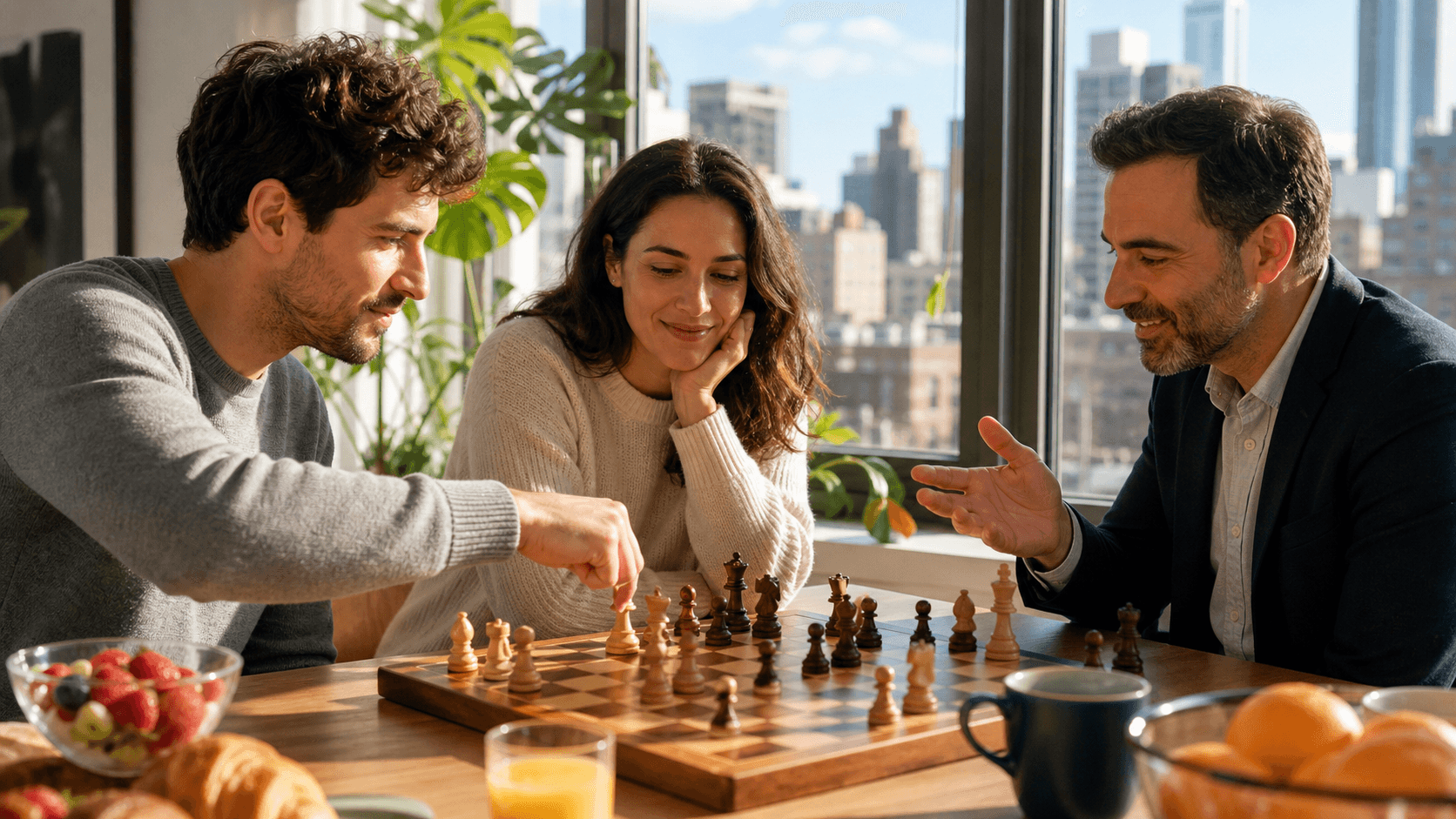
More and more families are choosing a hybrid plan, especially during active tournament stretches. In this model, group classes provide structure, repetition, and a sense of chess community. Private lessons, added every few weeks or around major events, handle the precise tuning.
A typical fall schedule for a motivated student might look like:
- One or two weekly group classes to stay sharp and social
- Weekend practice tournaments at the academy or other Manhattan events
- A private session every few weeks to review recent games and reset goals
This layered approach mirrors how our coaches often talk about training in our newsletters. Group classes might introduce a theme like "attacking the king" or "playing good endgames with limited time on the clock." Students then test these ideas in real games at events in Manhattan, including popular school tournaments such as those at Hunter and other well-known sites. Afterward, private lessons zoom in on the exact moment things went wrong or right.
For example, a student might learn basic rook endgames in group class, then reach a similar endgame in a Saturday event. During a later one-on-one, the coach can show where a simple plan would have won more easily. Over time, this loop of group learning, real competition, and private feedback becomes a steady system. It makes chess training in Manhattan feel less random and more like a clear path forward.
The hybrid model also keeps chess fun. Group sessions give students friends to talk to, puzzles to solve together, and stories to share from tournaments. Private lessons give them a sense of personal progress that is easy to see on the board. For families juggling busy school and work calendars, this blend is often the most sustainable way to keep chess active all year.
How to Choose the Right Path for Your Chess Goals
When we talk with parents and adult students about placement, we try to keep things simple. A few questions usually lead to a clear plan.
For beginners and younger kids who love being with friends, group lessons are usually the best starting point. They build basic skills, help kids learn how to sit at a board quietly, and get them used to the flow of a game. Once they begin playing rated tournaments around Manhattan and nearby areas, adding some private coaching can help them understand their own results.
For more ambitious players who are already thinking about ratings or championships, it often makes sense to prioritize at least some private work. Group classes still matter, because they keep the competitive edge sharp and add regular practice games. But private lessons give ambitious students a place to ask bigger questions, fix recurring mistakes, and map out a season plan.
Busy adults and teens often lean toward whatever format fits their calendar best. For many, online private lessons are the most realistic way to keep chess moving, with occasional weekend group training or tournaments sprinkled in when time allows.
It also helps to look at how the student already feels about chess:
- Are they excited to play lots of games with others? Group is a great fit.
- Are they frustrated by the same type of loss again and again? Private can help.
- Are they nervous about specific upcoming tournaments? A mix of both may be ideal.
In the end, the most effective chess training in Manhattan is the one that actually happens on a regular basis. A perfect plan that no one can stick with will not help as much as a simple, consistent setup that fits into real life. Some families even start with one option and adjust later by adding camp days, signing up for events, or changing lesson types through our online enrollment tools.
No matter which path you choose, what matters most is that the student has regular chances to learn, play, and reflect. With clear structure, thoughtful coaching, and a schedule that feels doable, casual interest can grow into lasting skill and real joy at the board.
Strengthen Your Game With Expert Manhattan Chess Coaching
If you are ready to turn casual play into real competitive progress, our coaches are here to guide your next move. Explore our tailored chess training in Manhattan to build skills, confidence, and a deeper understanding of the game. At United States Chess Academy, we structure every lesson around your specific goals so you see measurable improvement. Have questions or need help choosing the right program for you or your child? Simply contact us and we will help you get started.