Turn Your Openings Into Tournament Confidence
Strong openings are not about sounding smart when you say the names. They are about feeling calm and confident when the clock starts and your opponent plays a move you did not expect. That feeling is especially important at Manhattan chess tournaments, where players from many schools and clubs show up ready to fight from move one.
At United States Chess Academy, we see this every week in our Manhattan classrooms. As students move up sections, random opening tricks stop working and real understanding starts to matter. That is why we teach a question-based approach to the opening, so students are trained to think, not just recall.
Instead of telling students to memorize long move orders, we teach them to pause at key moments and ask clear, simple questions. These same questions show up in our current group classes, private lessons, and in the opening-focused puzzles we are sharing in this month's newsletter. When kids sit down at the board in our upcoming Manhattan scholastics, including the next Central Park event and the Hunter tournaments on our calendar, they are already used to this way of thinking.
Why Question-Based Prep Beats Memorizing Lines
Many players try to deal with openings by cramming. They scroll through videos, copy long variations, and hope opponents will follow those moves exactly. In real tournaments, that almost never happens. Someone plays a different move on turn three and the memorized line collapses.
We want our students ready for that moment. So in class, instead of asking "What is the theory?" we ask "What questions should you ask right here?"
Three of our core questions are:
- What is my opponent actually threatening?
- Which piece can I improve next?
- Where is the fight for the center right now?
We use these questions in our weekly practice games and the training tournaments we are running this season at our Manhattan location, timed to line up with the same time controls students will face at the upcoming local scholastics. When a student reaches an unfamiliar setup, the goal is not to panic or randomly copy a grandmaster game they half-remember. They pause, check for threats, improve a piece, and think about the center.
Over time, students see that this works at real events too. Openings feel less like a fragile script that can break, and more like a safe starting point for smart, logical decisions they can trust under pressure.
Building a Personalized Opening Toolkit for Upcoming Manhattan Events
Every player does not need a giant opening repertoire. In fact, for most kids and busy adults playing local events, that can even get in the way. Our coaches help students build a small, practical toolkit that matches the tournaments they are actually playing in the next few weeks.
When we help a student prepare for the upcoming Manhattan chess tournaments on our schedule, we look at things like:
- Usual time control, for example fast scholastic rounds like the next Central Park event versus slower classical rounds at upcoming weekend Swisses
- Current rating and experience level
- Playing style, such as sharp attacker, patient defender, or balanced player
- Which side of the board they struggle with most, White or Black
From there, we create a short list of openings for both colors that specifically match those events. For each main opening, we mark "question checkpoints." These are common positions where we ask students to stop, look at the board, and run through their question list instead of making autopilot moves.
This is the same process we are using right now in our opening worksheets, sparring games, and post-tournament analysis sessions. At home, parents might notice:
- Simple opening maps instead of thick theory printouts
- Diagrams with arrows showing plans, not just moves
- Homework sheets that say "What is Black threatening here?" instead of "What is move 12?"
Our goal is that when students walk into any Manhattan hall for these upcoming events, whether it is a school gym or a hotel ballroom, they know they have a small, trusted toolkit, plus questions that guide them when things get sharp or strange.
Classroom Drills That Turn Questions Into Habits
Good questions only help if they show up during real games, under time pressure, with clocks ticking and neighbors dropping pieces on nearby boards. That is why we build these habits with drills, not just talks.
Two of our favorite formats in our current Manhattan classes, which we are using to get students ready for the next tournament cycle, are:
- "Frozen Position" drills. A coach stops the clock at a tense moment, freezes the position, and asks students to write down three questions and then their move. Only after that do we discuss the position.
- Group analysis of instructive local games from recent tournaments on our schedule. We look at real tournament games played in Manhattan and ask, "At what move did someone stop asking good questions?" Students see how one lazy move in the opening, made without checking threats or the center, can make the whole game fall apart.
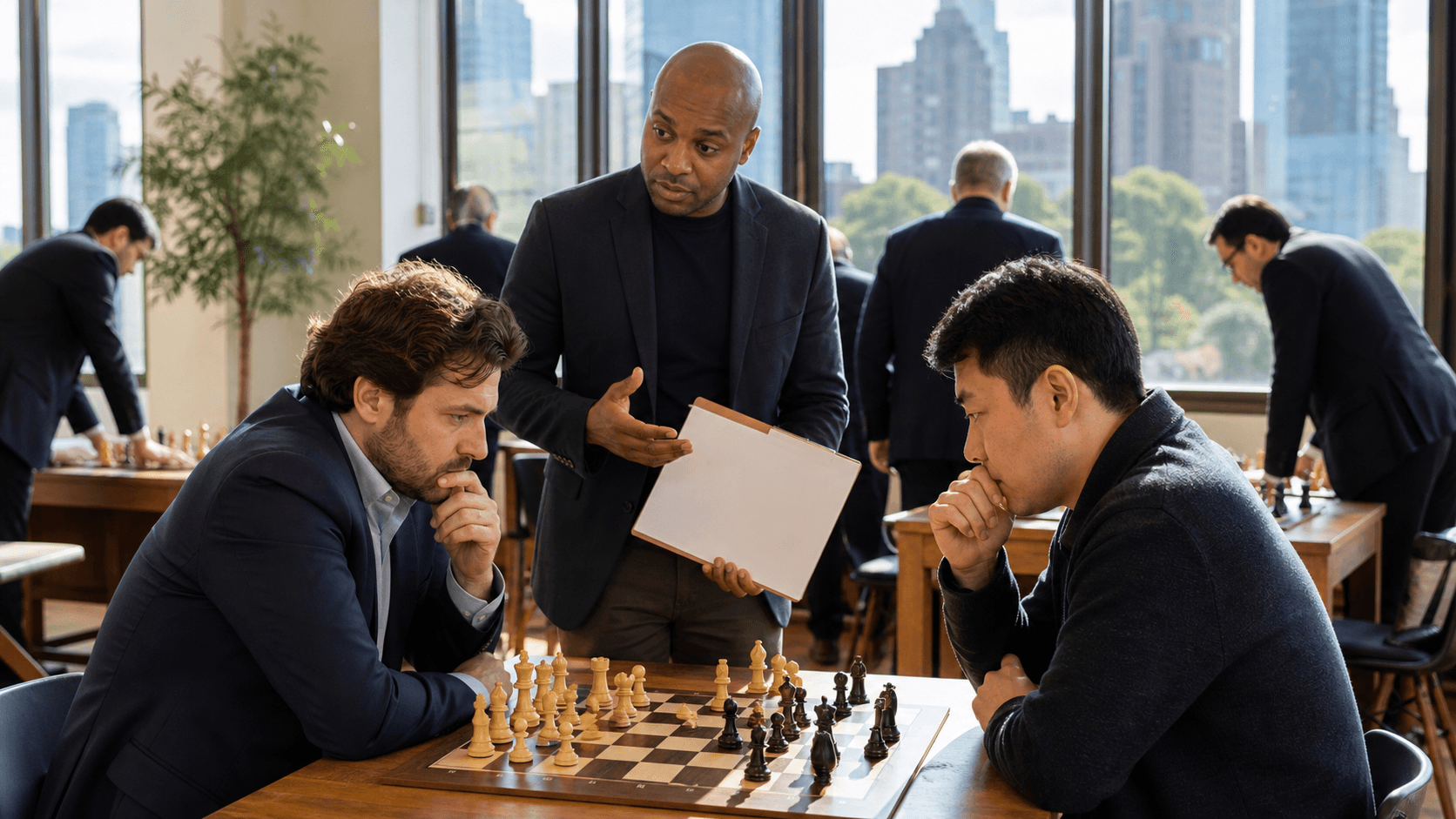
We also try to copy real tournament noise and stress, with clocks, time trouble, and side boards playing nearby, just as students will experience at the Central Park and Hunter events coming up. The idea is simple: if the questioning habit survives our practice conditions, it is more likely to survive a tense last round.
In private lessons, we push this even further using the student's own games. A coach often takes a game from a recent local event or from last week's training tournament and asks, "Which of your questions did you skip on move 5? On move 9?" Our seasonal camps, including the current Central Park camp sessions, give us more time to drill these same ideas with extra practice games and group exercises tied directly to the next events on the calendar.
Using This Season's Tournaments as Live Opening Laboratories
We like to tell our students that tournaments are not only tests, they are laboratories. Every Manhattan event on our schedule, from the next Central Park scholastic to the upcoming Hunter tournaments, is a chance to test and improve your questions in real conditions.
Before a round, coaches might run quick warm-ups focused on:
- Spotting the opponent's threat in a simple position
- Choosing which piece to improve next
- Comparing two center plans for White or Black
After the round, we look at the score sheet and ask where the student stayed in their opening map and where they left it. When they left their prep on move five, did they freeze, or did they calmly ask, "What is my opponent actually threatening?" You can see the difference almost right away in how they handle surprise moves.
A common game story we see is something like this: both players know the first four or five moves of a popular opening. Then one player makes a slightly odd move that is not in any book. The student who depends only on memorization suddenly has no idea what to do. The student trained with questions thinks, "OK, what changed on the board? What is attacked? Where is the center fight?" and quietly finds a safe plan.
Over many rounds of the tournaments we are playing this fall, treating Manhattan chess tournaments as laboratories builds a strong feedback loop. The questions that keep working stay in the toolkit. The ones that are missing get added in upcoming lessons and camps. Online students can also bring their games into our online lesson programs so the same cycle continues at a distance, aligned with the same events as our in-person players.
Put Question-Based Prep to Work Before Your Next Event
Families often ask what they can do between classes to help this way of thinking stick. The good news is that it does not require extra openings books or hours of video. It is mostly about making the questions clear and consistent.
Here are three simple action steps that fit well with our current programs and tournament schedule:
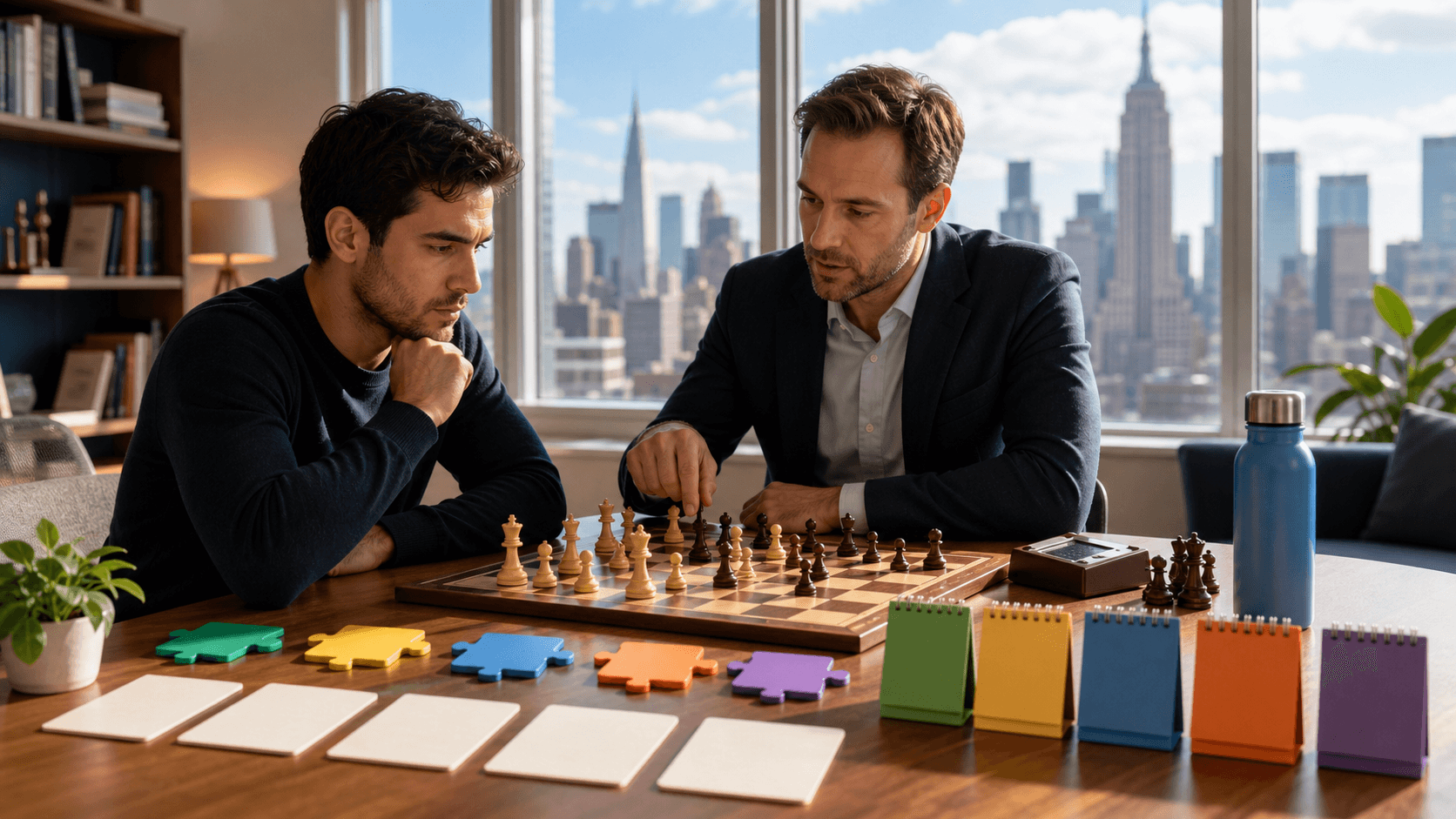
- Ask your child to tell you the first three questions they use in the opening. Write them on an index card or the back of a score sheet so they can glance at them before rounds at the upcoming tournaments you are planning to attend.
- Have them bring recent game scores, even short ones, to the next group class or lesson. Coaches can point out one or two "missed questions," and then turn those into simple goals for the next scheduled event.
- When you enroll for upcoming classes, private sessions, camps, or online lessons through our program registration, try to line them up with the local event schedule posted on our website and in our newsletter, so preparation stays connected to the real games your child will play.
When students learn to ask the right questions in the opening, the whole tournament experience changes. Manhattan chess tournaments feel less like stressful memory tests and more like chances to use strong thinking skills they practice every week in our current classes, camps, and training events. Instead of hoping opponents stay inside their prep, our students learn to welcome new positions, trust their questions, and build confident games from the very first moves.
Join Our Next Chess Tournament and Elevate Your Game
If you are ready to test your skills against serious competitors, explore our upcoming Manhattan chess tournaments and find the best fit for your level. At United States Chess Academy, we provide a structured, friendly environment where players of all ages can grow and gain valuable rating experience. Reserve your spot today, and if you have any questions about formats, schedules, or requirements, simply contact us.