Ask Smarter Questions in Your First Chess Lesson
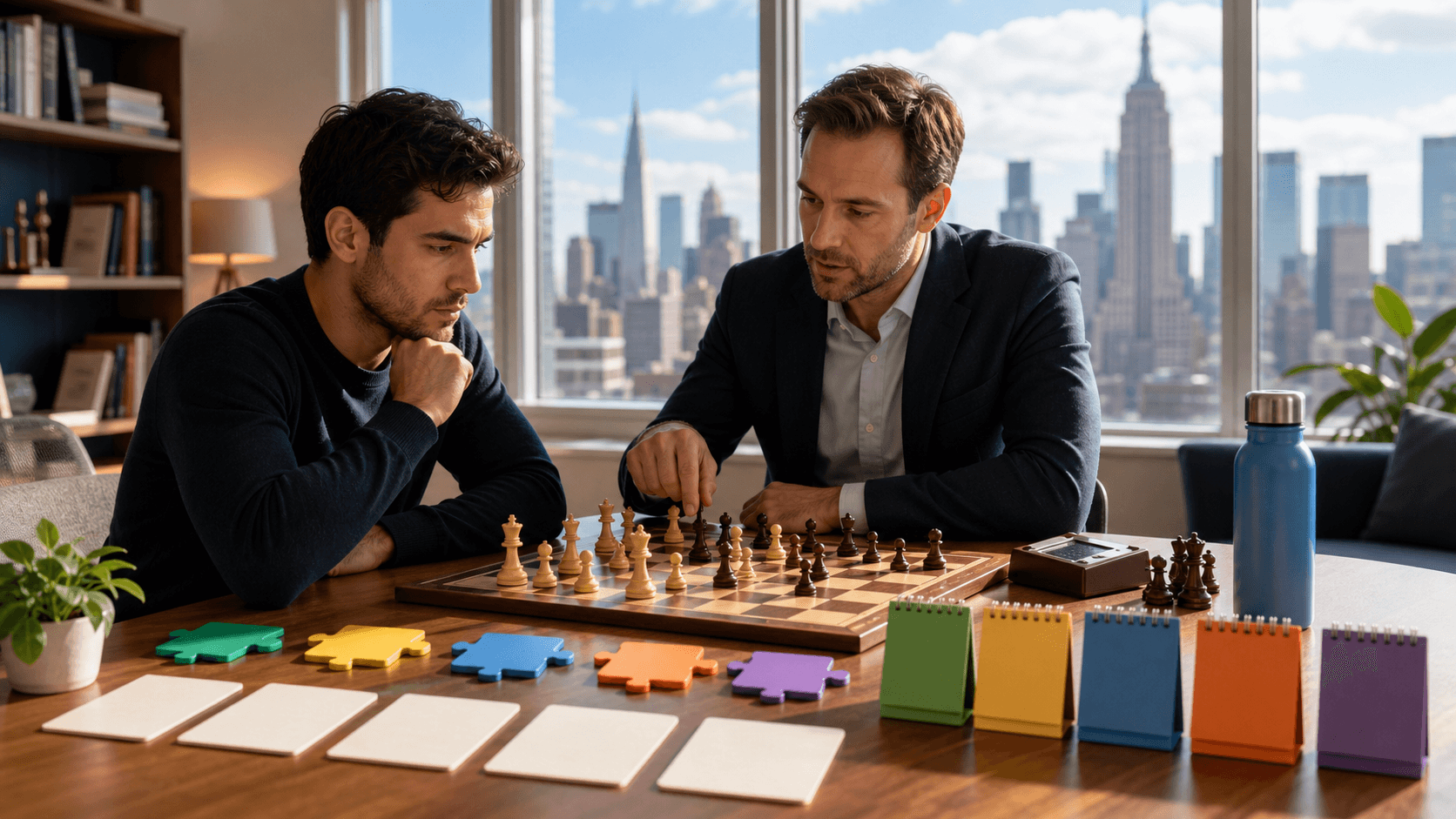
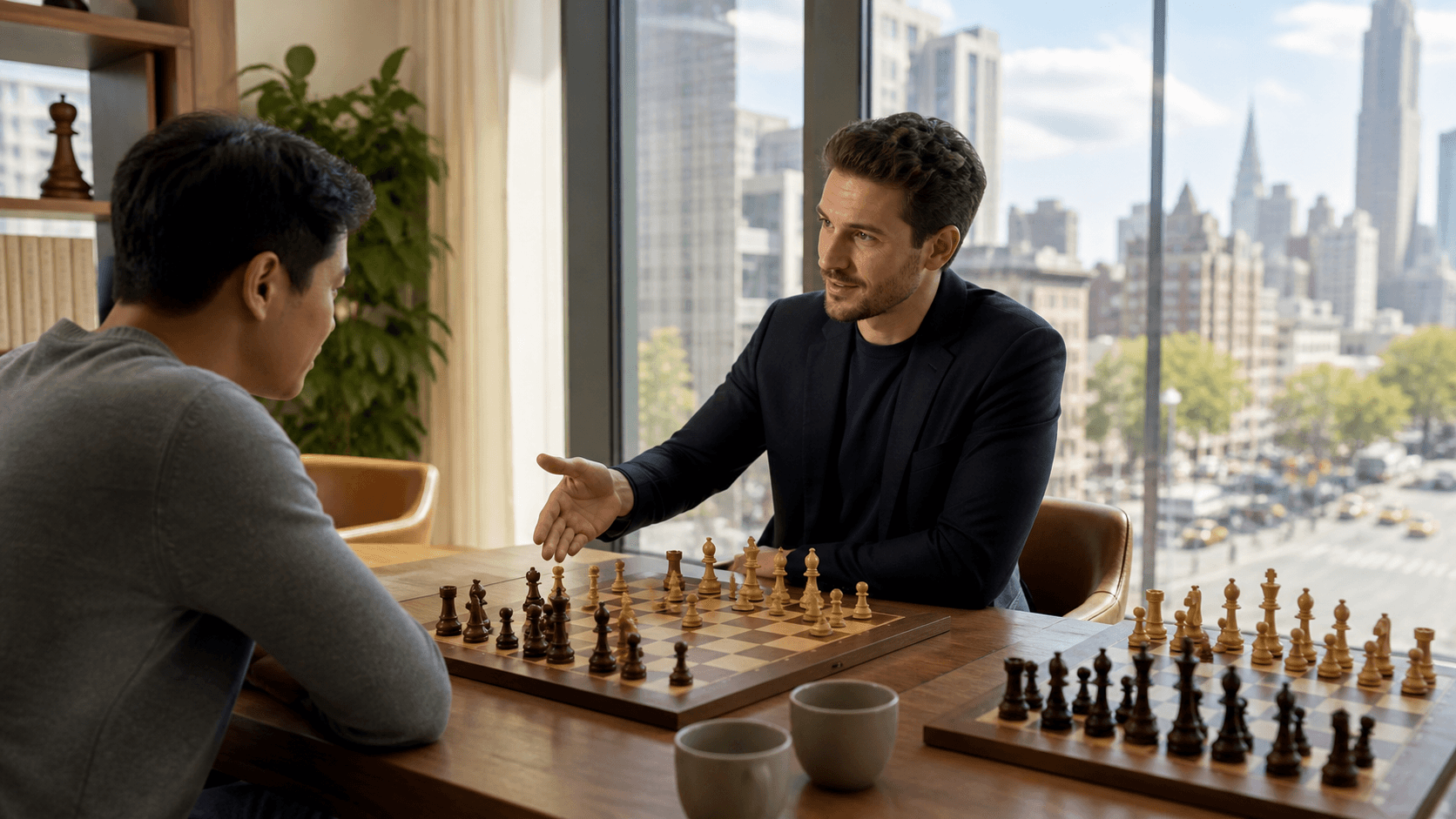
A trial chess lesson at a nearby chess academy can set the tone for the whole school year. You walk in, meet the coach, watch some teaching, then try to decide if it feels right. That is helpful, but what you ask during that first class matters even more than what you see.
Good questions can show you how the program really works over months, not just one hour. They help you understand the coach, the curriculum, the path to tournaments, and how progress is tracked. These four areas shape whether a student grows, stays motivated, and actually enjoys the game.
We will walk through clear, concrete questions you can use in any trial lesson. As a Manhattan-based school, we design our own programs around coach fit, structured learning, a thoughtful tournament path, and visible progress. Use our approach as a reference point when you visit any chess school in New York City or online.
Finding the Right Coach Fit for You or Your Child
Before the trial, it helps to know what you want. Is the goal fun enrichment, serious tournament growth, or both? Is the student a young beginner, a teen already playing events, or an adult coming back to chess?
Here are useful questions about the coach's experience and your learning goals:
- Do you work often with students in this age group?
- What is your experience with complete beginners or returning adult players?
- How do you adjust for students who are more visual or more verbal learners?
You can also ask how the coach handles different personalities. Some kids are shy and quiet, others love to talk through every move. Some teens want heavy tactics, others enjoy deep strategy.
To understand teaching style, ask:
- What does a typical lesson look like? How much is puzzles, game review, short lectures, and live games?
- How do you respond when a student keeps making the same mistake?
- What do you do if a student gets frustrated or loses focus?
Listen for specific answers, not vague promises. A thoughtful coach can describe clear routines, such as starting with warm-up puzzles, then a lesson, then guided practice games.
You should also feel good about safety and consistency. Try questions like:
- How many students are usually in this class?
- Are assistant coaches present, and what do they do?
- Will the same main coach lead the class each week?
For communication, parents and adult students often like to know what is happening between lessons. You might ask:
- Do you send short lesson summaries or feedback?
- How can I ask follow-up questions outside class?
- Do you have an online system where I can see homework or upcoming sessions?
Clear, regular communication makes it easier to support practice at home and understand what progress really looks like.
Understanding the Curriculum Beyond "Just Playing Games"
A strong program is more than sitting down and playing random games. During a trial class, try to find out how the academy structures long-term learning.
Some helpful questions:
- Do you have written or digital levels, and how do students move up?
- What are the main topics you cover during the first few months?
- How do you balance openings, tactics, endgames, overall strategy, and time management?
If the academy uses a curriculum, it should be clear how a student moves from beginner basics, like piece moves and simple checkmates, to more advanced concepts, like pawn structure and planning.
Ask for concrete examples:
- What would the first month look like for my 8-year-old who knows the rules but not much else?
- How would you challenge a teen around 1400 rating who already plays tournaments?
You want to hear answers that show the coach can adjust material, not just repeat the same lesson for everyone.
In a city like New York, many families mix in-person and online classes, especially with busy school schedules or travel. It is important to know that the program does not change quality once you move online.
Questions to ask:
- If we start with in-person classes in Manhattan, how easy is it to switch to online lessons for a while?
- How do you keep the same curriculum in both formats?
- What platforms or tools do you use for online lessons, homework, and study plans?
Some students benefit from dedicated online instruction that matches what they see in class. Programs like our own online chess lessons are built to mirror the same lesson structure and topics as in-person sessions, which helps keep progress steady all year.
Mapping a Tournament Path That Matches Ambition and Schedule
Not every student needs to compete right away, and not everyone wants the same level of intensity. Use the trial lesson to ask how the school thinks about tournaments.
Good starting questions:
- When do you usually recommend students play their first tournament?
- How do you decide that someone is ready?
- What kinds of events do you suggest first?
You should hear about a range of options, such as local scholastic events, small weekend tournaments, and then larger rated US Chess events in Manhattan and nearby areas. It is also reasonable to ask about well-known scholastic events around the city, like tournaments at schools, community centers, and regular events such as Hunter and other Manhattan-based competitions.
Support around events is just as important as the events themselves. Try asking:
- How do you help students prepare in the weeks before a tournament?
- Do you work on specific openings or game day routines?
- After an event, do you review tournament games in class or private lessons?
Look for programs where coaches study real games from tournaments and fold those positions back into lessons. That is where a lot of growth happens.
Tournaments also need to fit with school calendars, holidays, and family plans. To understand how a nearby chess academy thinks about the year as a whole, ask:
- Do you have a fall and winter tournament calendar that I can see?
- How do your camps or special events connect with regular classes?
- Can you help us build a plan for the next few months based on our schedule and goals?
Seasonal chess camps can give a big boost. For example, a focused Central Park program, like the ones described in our Central Park camp details, can be part of a broader yearly path that mixes classes, camps, and local tournaments in a clear, simple way.
How the Academy Tracks Progress and Shares Results
Tournament ratings are only one part of improvement. Many kids and adults play less formal events or focus on training first. During your trial lesson, ask how growth is measured for all types of students.
Helpful questions:
- If my child is not playing rated tournaments yet, how do you track their progress?
- Do you use puzzle scores, skills checklists, or internal practice games to measure growth?
- How often do you reassess a student's level and adjust their group or lesson plan?
You want an approach that looks at skills, not just results. This can include tracking how often a student misses simple tactics, how they manage their time, or whether they understand basic endgames.
Feedback and goal-setting also matter. Clear, realistic goals keep students motivated and help parents see the bigger picture.
Try asking:
- Do you give written feedback or progress reports? How often?
- Can we set specific goals, like mastering basic checkmates by a certain month or reaching a certain rating?
- How do you check that those goals stay realistic and adjust if needed?
Technology can help make progress visible. Online tools, puzzle sites, and training platforms give useful data if someone is watching and explaining it.
Questions to ask:
- Which online platforms or databases do you use for practice and game review?
- Can parents or adult students see puzzle streaks, attendance, or activity history?
- How do you connect that data back to lesson plans?
Some academies also use simple portals or accounts to make scheduling, homework, and records easy to manage. A clear system, even something as simple as a regular email update and an online cart for managing lesson bookings like our own registration cart, can signal that the school takes structure and progress seriously.
Turning a Trial Lesson Into a Confident Long-Term Choice
When you leave a trial lesson, you should feel you understand four big things: how well the coach fits the student, what the curriculum looks like past week one, how tournaments might fit into the picture, and how progress will be tracked and shared. Those answers tell you much more than any single puzzle or game played in that first session.
A simple way to stay organized is to bring a short written checklist. Aim for 3 to 5 questions in each category: coach fit, curriculum, tournament path, and progress tracking. Take notes on how specific and clear the answers feel, and then compare them with what you hear at other programs around New York City, whether in Manhattan or in nearby neighborhoods.
With a little planning, that first visit to a nearby chess academy becomes more than a quick trial. It turns into a smart, calm way to choose a learning home where you or your child can grow, compete at the right pace, and keep enjoying chess season after season.
Start Building Strong Chess Skills With Local Expert Coaching
If you are ready to help your child or yourself grow as a strategic, confident player, our coaches at United States Chess Academy are here to guide you in person. Explore our nearby chess academy options to find a lesson schedule that fits your routine and goals. We personalize instruction for every student so you can progress step by step with clarity. Have questions about placement or availability? Just contact us and we will help you get started.