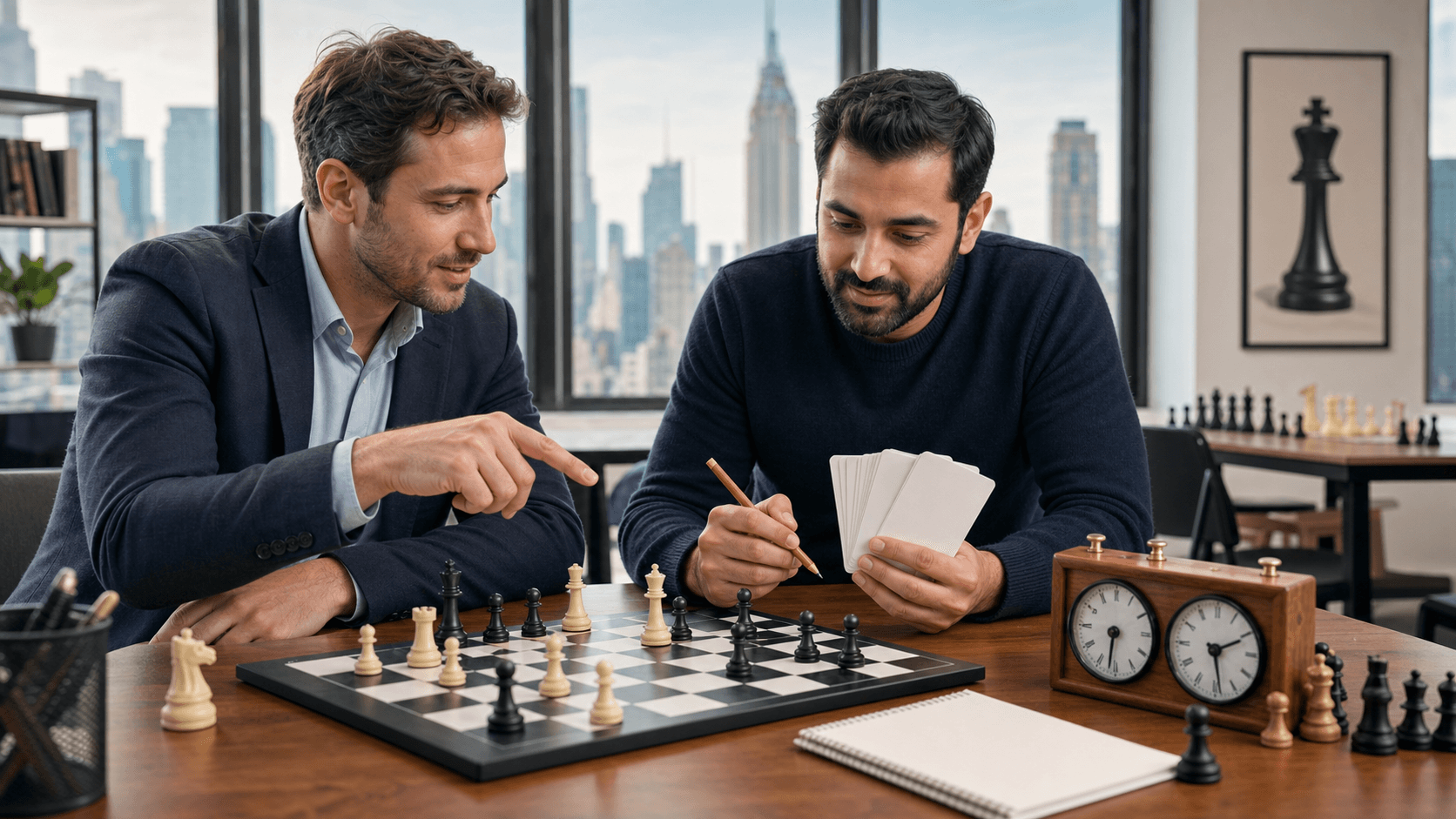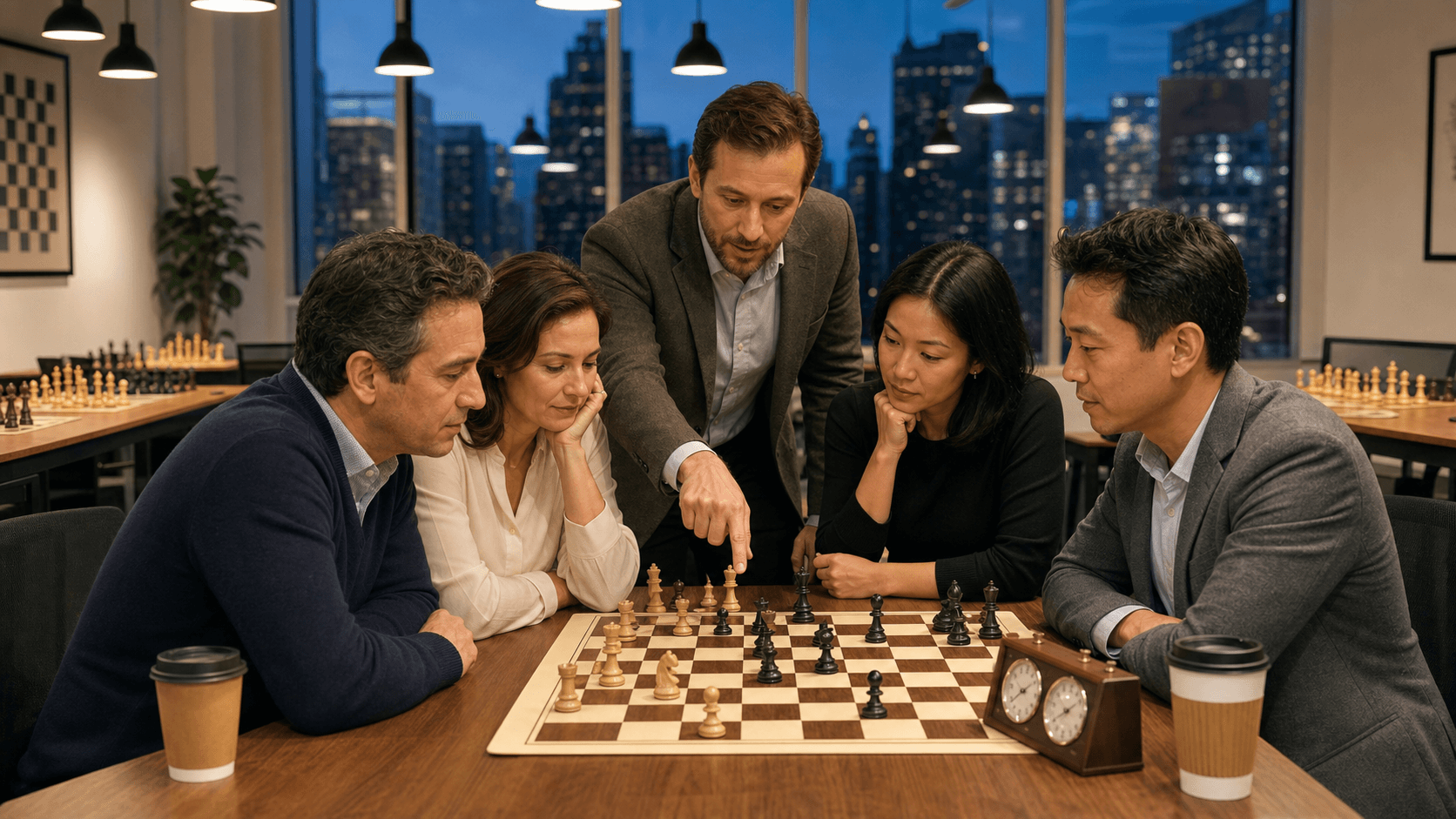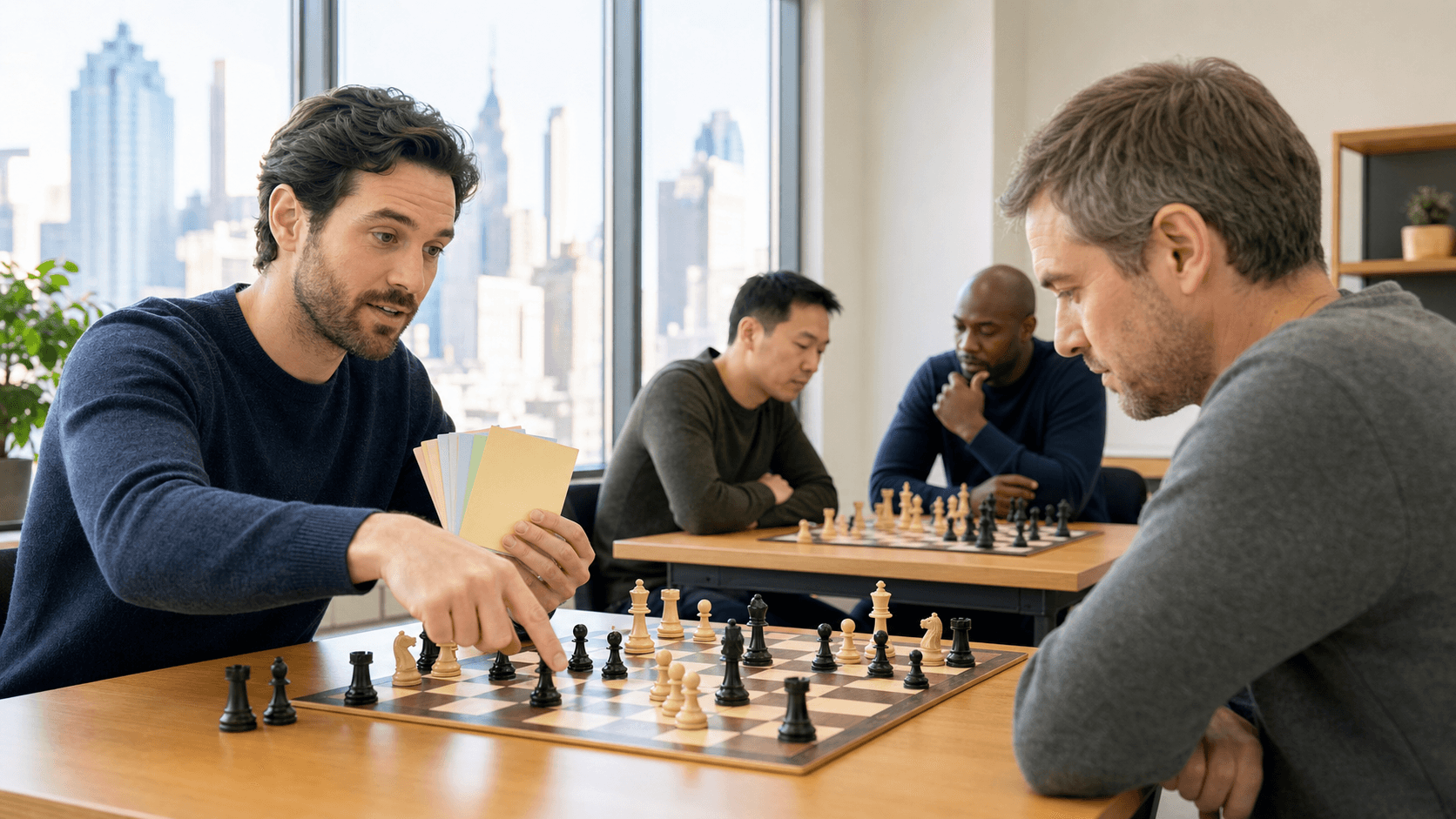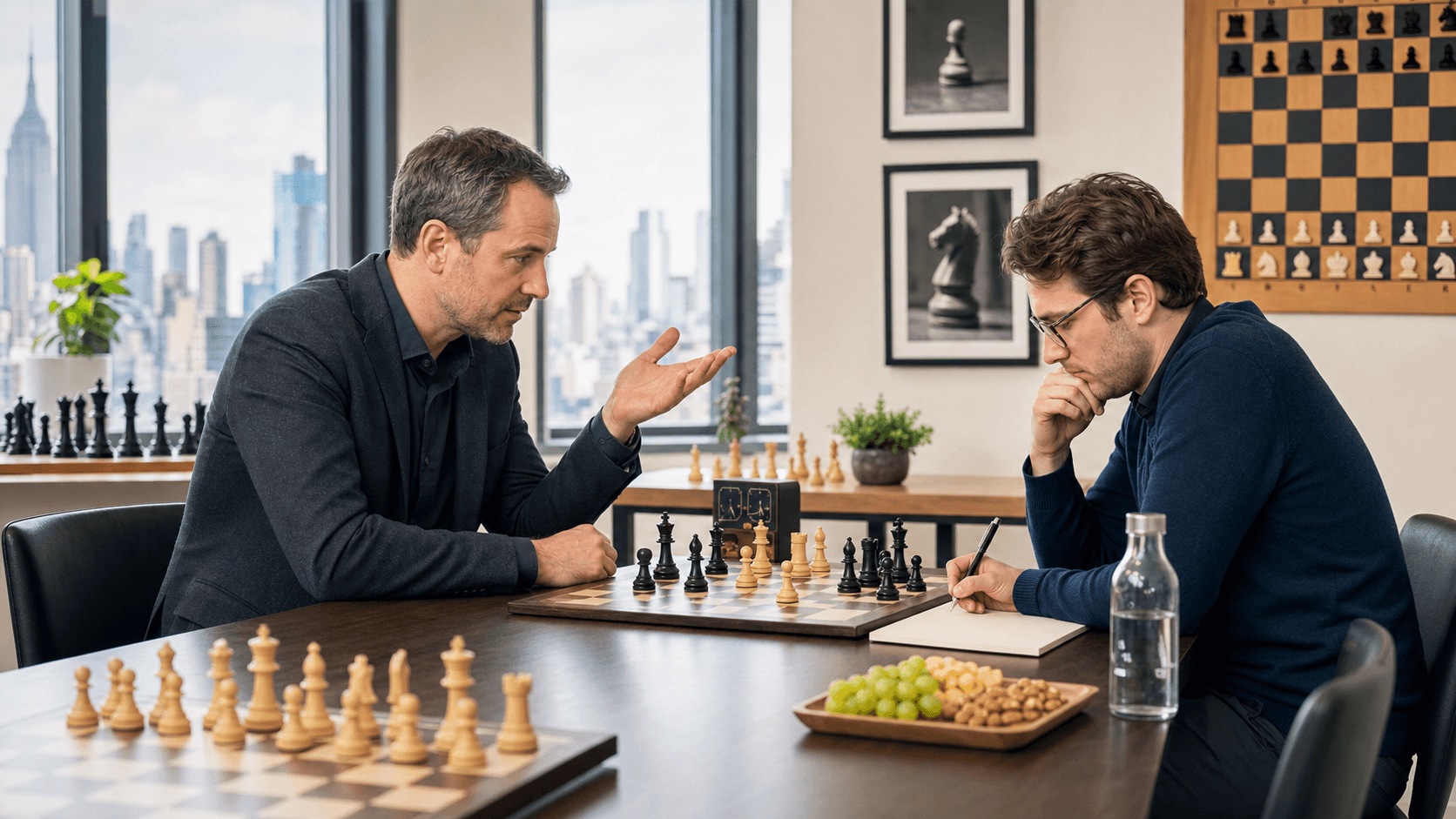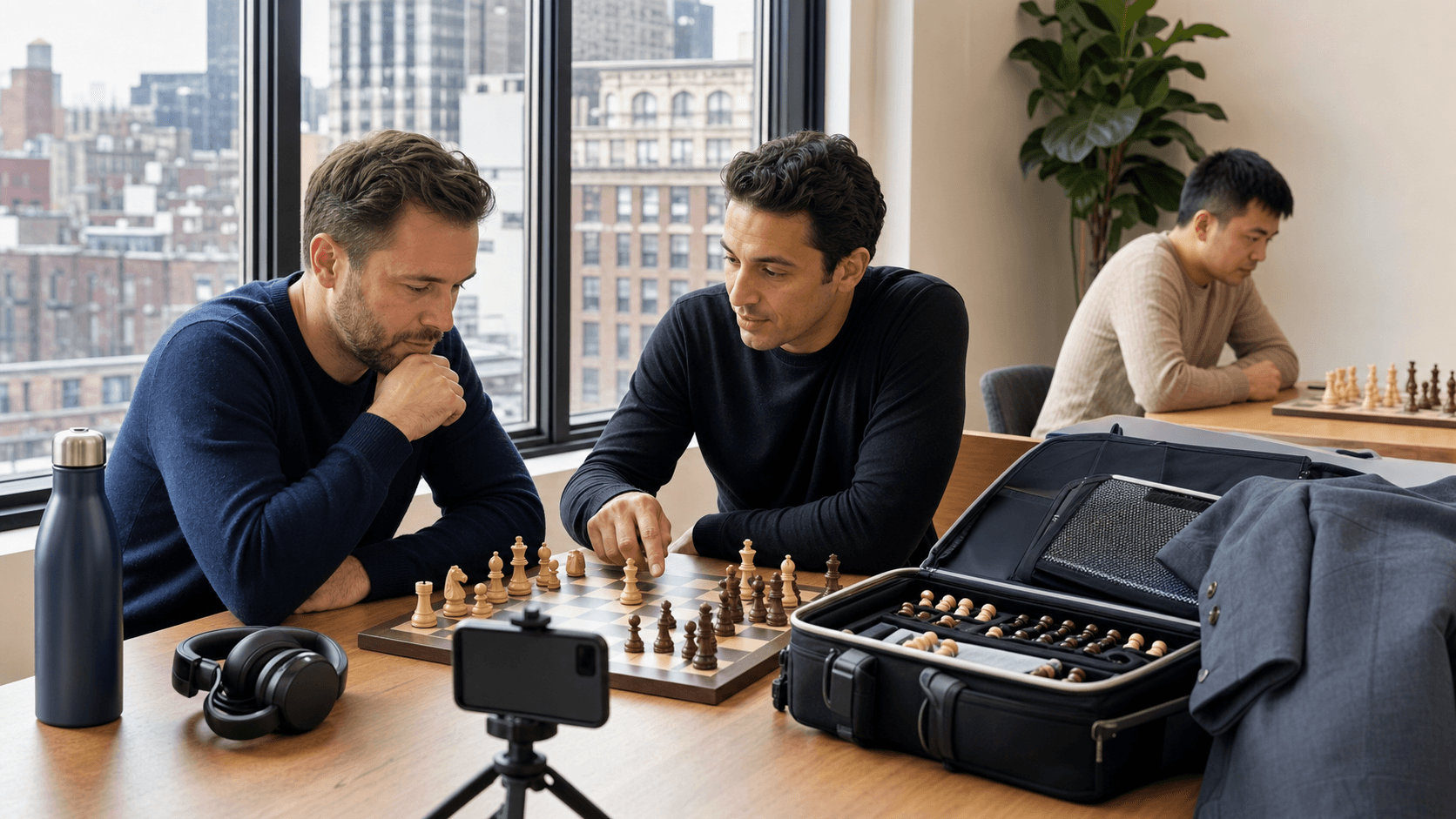
Pre-Tournament Prep for NYC Scholastic Chess: Sleep, Food, Packing, Routines
A scholastic chess tournament in New York City is a big day. Early alarms, trains or cars into Manhattan, crowded halls at places like Hunter or at other sch...

A scholastic chess tournament in New York City is a big day. Early alarms, trains or cars into Manhattan, crowded halls at places like Hunter or at other sch...

Every chess tournament your child plays in can become a powerful training tool, not just a one-day event. When you build a simple post-tournament review syst...

Time pressure is one of the biggest reasons kids lose winning rapid games. They rush in the opening, burn time in simple positions, then panic when the secon...

Many adult chess players hit a wall. You play blitz after work, watch video lessons, scroll through opening ideas, and still sit at the same rating year afte...

Mid-summer tournaments in Manhattan come fast, and they come often. Hunter events, Marshall weekends, local school tournaments, and other NYC Swiss events gi...

A strong tournament weekend in Manhattan starts long before your child sits at the board. The last 48 hours can either support everything they have worked on...

Many intermediate chess players feel stuck. You might win most casual games online, but when the rating climbs or you sit at a real board in a weekend tourna...

Getting ready for a real chess tournament in Manhattan can feel big for both kids and parents. There are new faces, clocks ticking, scoresheets, and long day...

Good tournament results do not come from one lucky move. They come from habits that show up every single game, in quiet class matches and in crowded New York...

Right after camp ends, many families in Manhattan and nearby boroughs ask the same question: what now? Kids are excited, their chess skills just jumped, and ...

Strong tournament results rarely come from talent alone. They come from habits, the small things a player does before, during, and after every game, whether ...

Strong tournament games start long before the first move. They start in class, in front of a demo board, when a student says, "What if they play this tricky ...